Perfect bound book printing for trade paperbacks, novels, manuals, catalogs, lookbooks, event programs, journals, and professional softcover books that need a clean printable spine and durable adhesive binding.
PrintPack360 supports low MOQ softcover book production, PUR or EVA adhesive binding, cover scoring, coated or uncoated paper, matte/gloss lamination, spot UV, foil stamping, proofing, inspection, and export-ready packing.
MOQ: from 50 copies
Binding: perfect binding with PUR adhesive or EVA adhesive depending on specification
Best for: novels, trade paperbacks, manuals, catalogs, magazines, journals, and softcover books
Minimum spine: around 3mm spine width is recommended for a stable perfect-bound book
Print-ready PDF, CMYK, 300 dpi, fonts embedded or outlined, 3mm bleed, and confirmed spine width
Perfect Bound Book Printing Overview
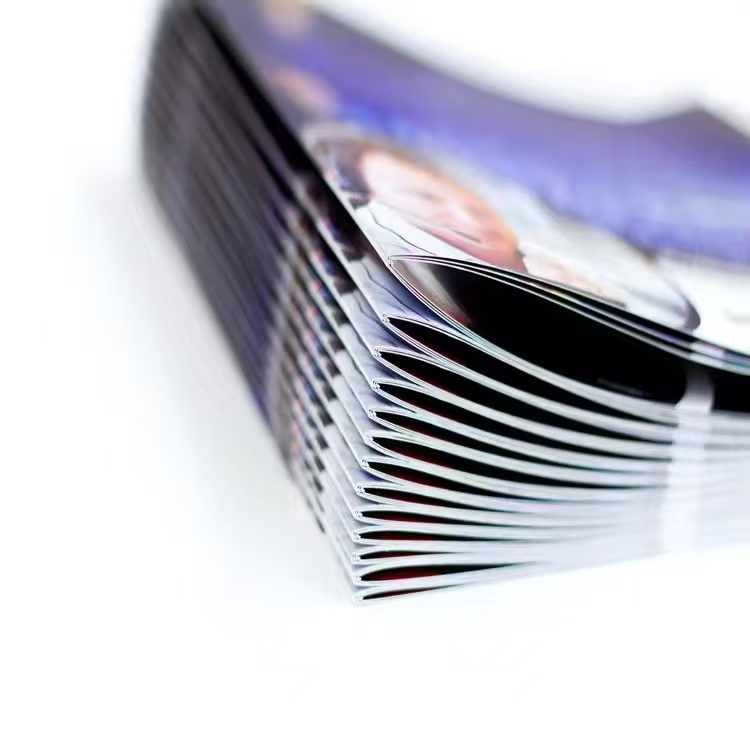
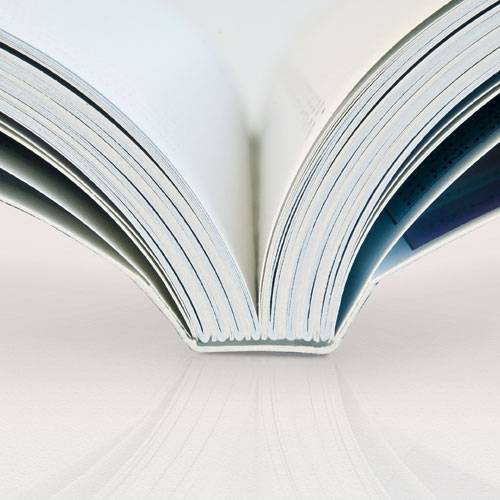
Perfect bound book printing is a professional softcover binding method where inner pages are glued to a wrap-around cardstock cover. It creates a clean square spine that can carry the book title, author name, logo, ISBN, or volume information, making it suitable for retail shelves, corporate use, and professional publishing.
This format works well for novels, trade paperbacks, business books, manuals, catalogs, lookbooks, journals, magazines, and multi-page event programs. Compared with saddle stitching, perfect binding supports thicker page counts and a more book-like presentation. Compared with hardcover binding, it is lighter, more flexible, and usually more cost-efficient.
Trade paperbacks and novels: suitable for independent authors, publishers, literary books, and bookstore-ready paperbacks.
Corporate and technical manuals: useful for training manuals, product guides, employee handbooks, annual reports, and user documentation.
Product catalogs and lookbooks: suitable for fashion, furniture, cosmetics, architecture, product portfolios, and seasonal sales books.
Magazines and journals: useful for thicker softcover magazines, literary journals, academic-style publications, and event programs.
Short-run publishing: suitable for MOQ 50-500 copy projects that still need real offset printing and premium cover finishes.
Problems We Help You Avoid
Weak spine: page count, paper GSM, glue type, and spine width must be matched before production.
Cover cracking: perfect-bound covers should be scored before folding, especially with laminated or heavy cover paper.
Wrong glue choice: PUR adhesive is often preferred for coated paper, heavy ink coverage, and stronger spine flexibility.
Spine artwork errors: spine width should be calculated after final page count and paper stock are confirmed.
Color mismatch: brand books, catalogs, and image-heavy books need proofing and agreed color references.
Export damage: softcover books need bundle wrapping, carton strength, moisture protection, and pallet planning.
Recommended Materials for Perfect Bound Books
Component
Recommended Options
Best Use
Cover
250-350gsm C1S/C2S art card
Trade paperbacks, catalogs, manuals, premium softcover books, and printed spines
Text Pages
80-105gsm uncoated paper
Novels, text-heavy books, manuals, and lightweight paperbacks
Image Pages
128-157gsm matte or gloss coated paper
Catalogs, lookbooks, magazines, journals, and image-heavy publications
Adhesive
PUR adhesive or EVA adhesive
PUR for stronger flexible binding; EVA for cost-effective standard softcover books
For sustainability-sensitive orders, FSC-certified paper, recycled paper, and soy-based ink options should be confirmed before quotation. You can review PrintPack360’s environmental certification information. For general reference, the Forest Stewardship Council explains FSC certification and responsible sourcing.
Binding, Cover & Finishing Options
PUR perfect binding: recommended for coated paper, heavier stocks, image-heavy books, and projects that need stronger spine flexibility.
EVA perfect binding: suitable for standard softcover books where cost efficiency is important.
Cover scoring: recommended before folding to reduce cracking near the spine and hinge area.
Printed spine: title, author, logo, volume number, ISBN, or barcode can be added when spine width is sufficient.
If your book is thinner and does not need a square spine, compare with saddle stitched brochure printing. If your project is mainly a thick softcover magazine, review premium softcover magazine printing, noting that this page should be treated as softcover despite its old URL.
Sustainability & Quality Notes
For perfect bound books, buyer requirements usually focus on paper sourcing, color consistency, spine strength, glue durability, finishing quality, and export condition. FSC, ISO 9001, G7, recycled paper, and soy-based ink should be treated as options or documentation scopes, not automatic guarantees.
For quality-management context, buyers may refer to ISO 9001 quality management requirements. For color-sensitive publishing and brand projects, G7 by Idealliance can help frame color-control discussions, while final approval should rely on proofs and agreed inspection criteria.
Proofing & Quality Control
Perfect bound books should be checked for spine width, page order, glue strength, cover scoring, trimming, color, cover finish, and export packing. A physical proof is useful when paper feel, color, spine appearance, and binding behavior are important.
Prepress review: trim size, bleed, CMYK setup, image resolution, fonts, page order, cover spread, and spine width are checked before production.
Proofing: digital proof or printed proof can be arranged depending on color sensitivity and buyer approval needs.
Binding check: spine glue, cover hinge, page pull, opening behavior, trimming, and cover scoring should be reviewed.
Bulk inspection: printing, folding, collating, perfect binding, trimming, lamination, carton packing, labeling, and quantity should be checked before shipment.
For first-time book projects, PrintPack360’s sample strategy can help decide whether a digital proof, paper sample, printed proof, or finished bound sample is needed.
File Requirements for Perfect Bound Book Printing
Print-ready PDF files are recommended for accurate quotation and efficient production. Files should be supplied in CMYK color mode at 300 dpi, with fonts embedded or outlined and at least 3mm bleed on all sides.
Final trim size, page count, paper GSM, binding method, and cover finish should be confirmed before cover export.
Cover artwork should include front cover, back cover, spine, bleed, and safe areas.
Spine width should be calculated after paper choice and final page count are confirmed.
Important text, page numbers, QR codes, ISBN, barcodes, and logos should stay inside the safe margin.
Spot UV, foil stamping, embossing, debossing, or die-cut areas should be supplied as separate vector layers.
For perfect-bound books, avoid placing critical artwork too close to the inner gutter.
Export Packaging & Shipping Preparation
Perfect bound books are usually stacked, bundle wrapped, carton packed, and labeled for export shipment. Export-ready packing may include shrink wrapping, kraft wrapping, inner cartons, double-wall corrugated cartons, moisture protection, carton labels, and palletization when needed.
If books are for a launch date, bookstore delivery, event, warehouse, or distributor shipment, carton quantity, carton labels, delivery timing, and shipping terms should be confirmed early. For production visibility, review PrintPack360’s process transparency page when planning milestone updates.
Information Needed for Quotation
To quote perfect bound book printing accurately, please prepare the following details:
Book type: novel, trade paperback, manual, catalog, lookbook, journal, magazine, event program, or softcover book
Final size: A4, A5, 6 × 9in, US Letter, square format, or custom size
Page count: total inner pages plus cover
Quantity: target order quantity, starting from 50 copies, plus optional quantity breaks
Cover paper: 250gsm, 300gsm, 350gsm art card, coated/uncoated preference, and finish
Inner paper: 80-157gsm coated or uncoated paper, recycled/FSC option if needed
Binding: PUR perfect binding or EVA perfect binding
Perfect bound book printing is a softcover binding method where inner pages are glued to a wrap-around cardstock cover, creating a clean square spine. It is commonly used for novels, manuals, catalogs, journals, and trade paperbacks.
What is the MOQ for perfect bound books?
The visible product page lists an MOQ from 50 copies. Final pricing depends on size, page count, paper, adhesive, cover finish, quantity, and shipping destination.
What is the minimum spine width for perfect binding?
Around 3mm spine width is recommended for a stable perfect-bound book. This often requires about 40-50 pages, depending on paper thickness and final book size.
What is the difference between PUR and EVA perfect binding?
PUR adhesive is more flexible and is often preferred for coated paper, heavier stocks, and higher durability needs. EVA adhesive is a common cost-effective option for standard softcover books.
Can perfect bound books use coated glossy paper?
Yes. Coated paper can be used for image-heavy books, catalogs, and magazines. PUR adhesive is often recommended when coated paper and heavy ink coverage are involved.
Can I add foil stamping or spot UV to the cover?
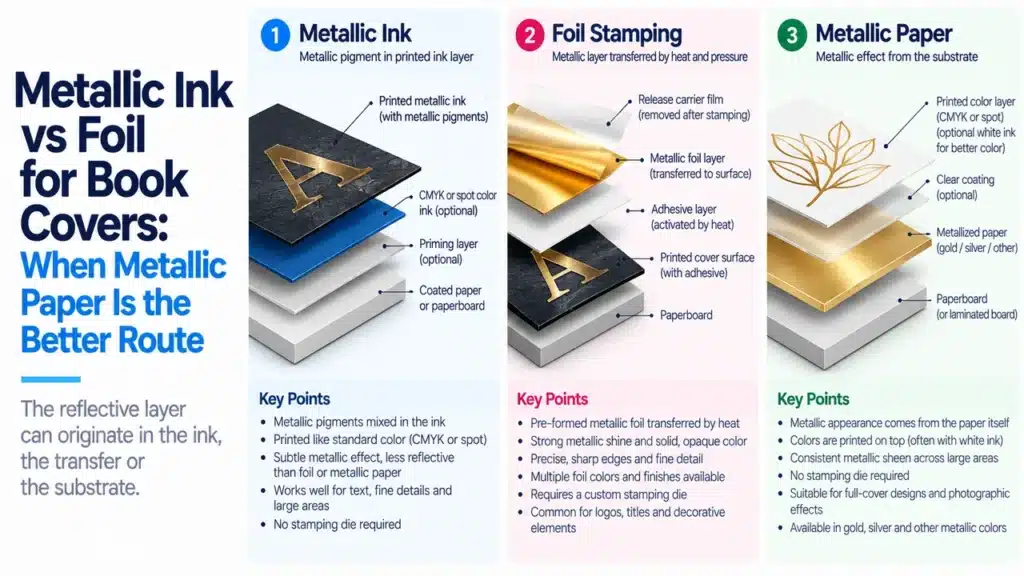
Yes. Foil stamping, spot UV, embossing, debossing, matte lamination, gloss lamination, and soft-touch lamination can be added when the cover artwork and paper are suitable.
What files are needed for perfect bound book printing?
Print-ready PDF files in CMYK at 300 dpi are recommended. Cover files should include front cover, back cover, spine, bleed, and safe margins. Spine width should be confirmed before final export.
How are perfect bound books packed for export?
Perfect bound books are usually stacked, bundle wrapped, carton packed, labeled, and prepared for export shipment. Moisture protection and palletization can be adjusted by quantity and destination.
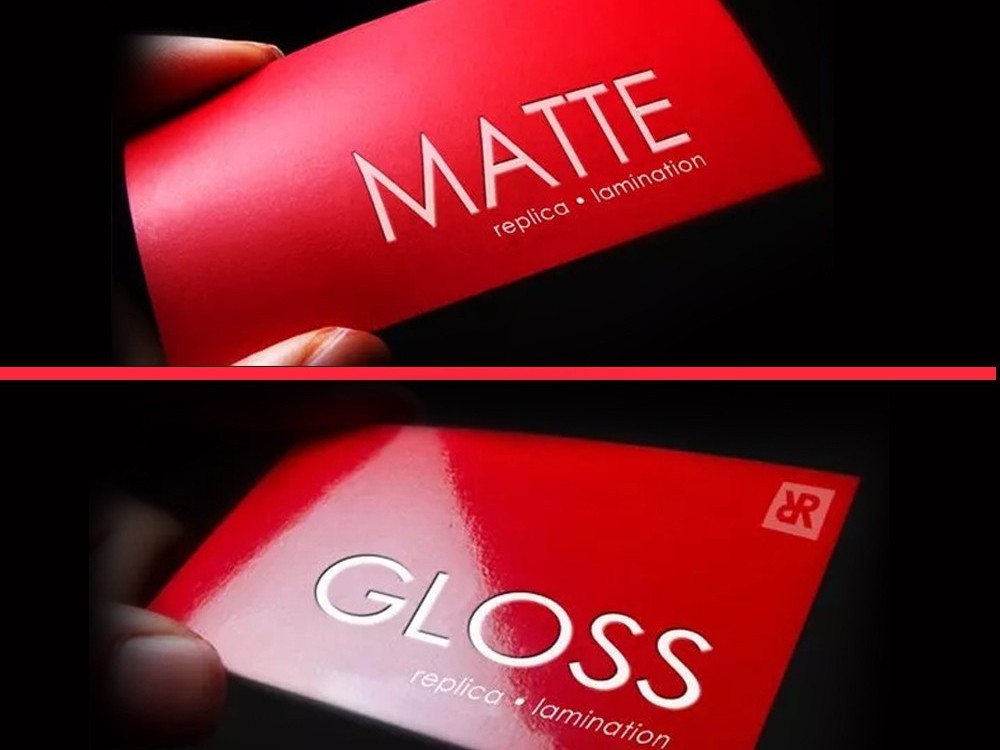
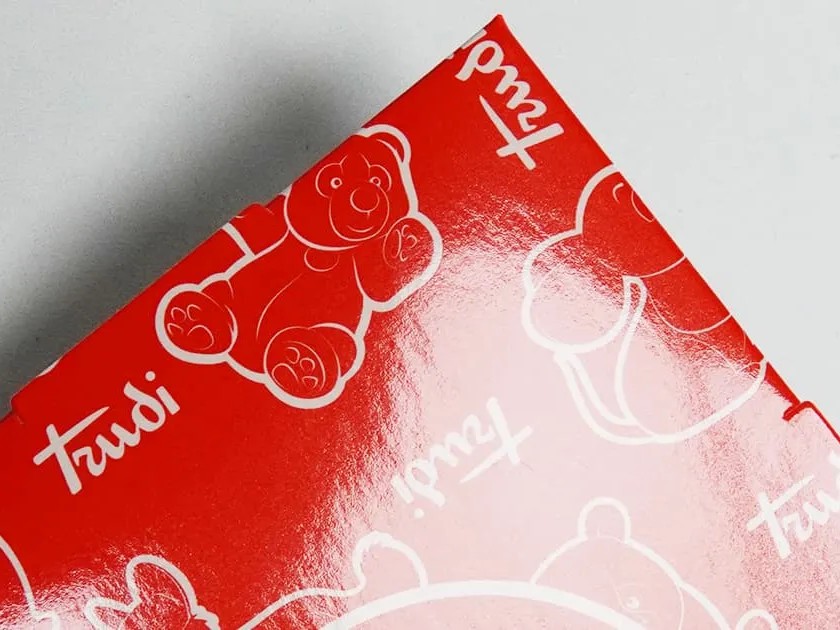
Gloss laminate adds a shiny finish, enhancing color vibrancy, while matte laminate offers a sleek, non-reflective look for a more refined finish.
Varnishing
Varnishing adds a protective coating, enhancing durability and providing either a glossy or matte finish to make designs more vibrant and long-lasting.
Spot UV
Spot UV applies a glossy coating to specific areas of a print, creating a contrast between shiny and matte surfaces, highlighting key design elements.
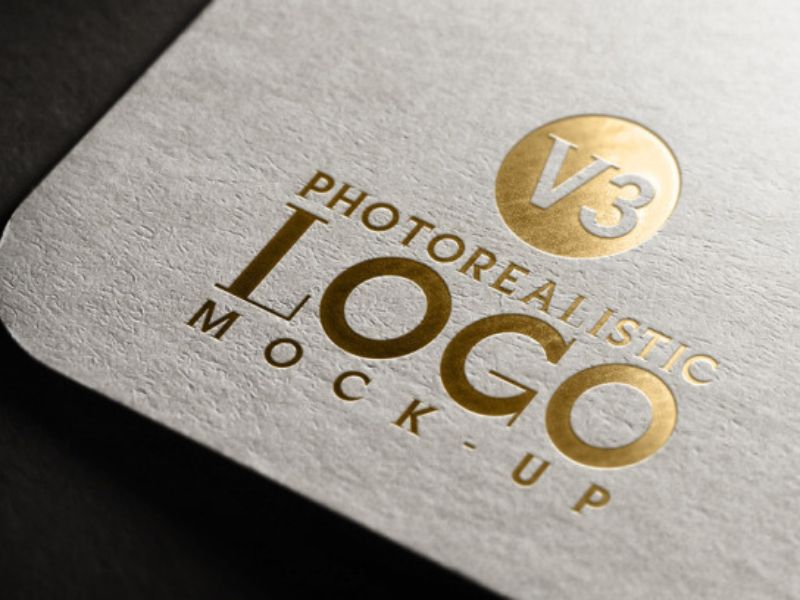
Foil Stamping
Foil stamping uses heat to apply metallic or colored foil to specific areas, adding a luxurious, shiny effect to logos and text.
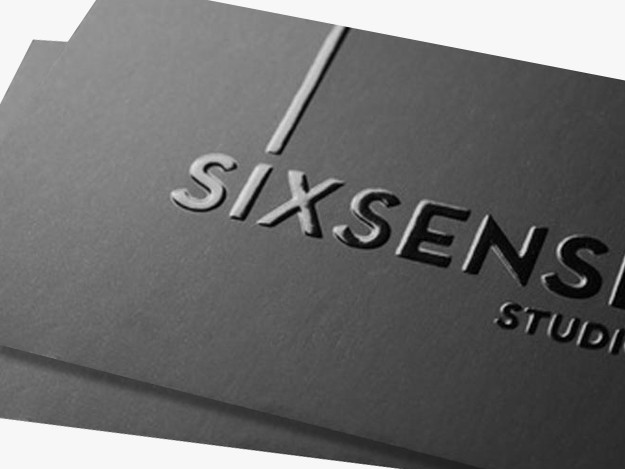
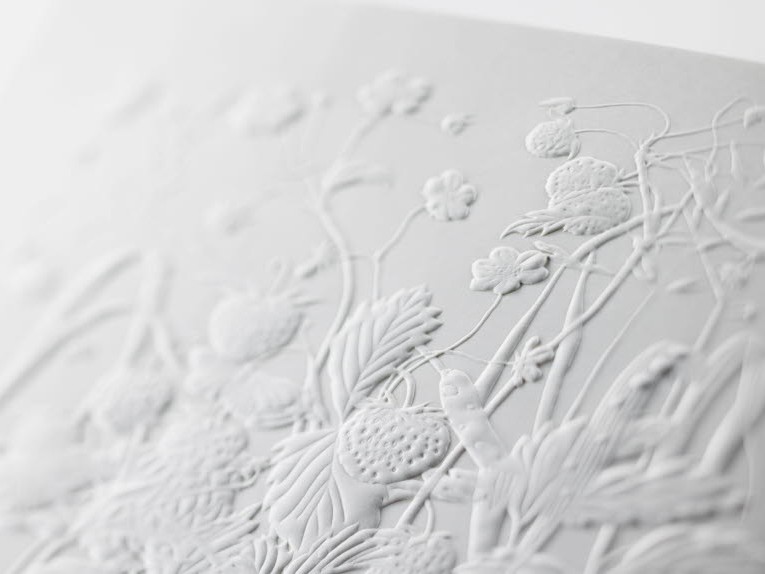
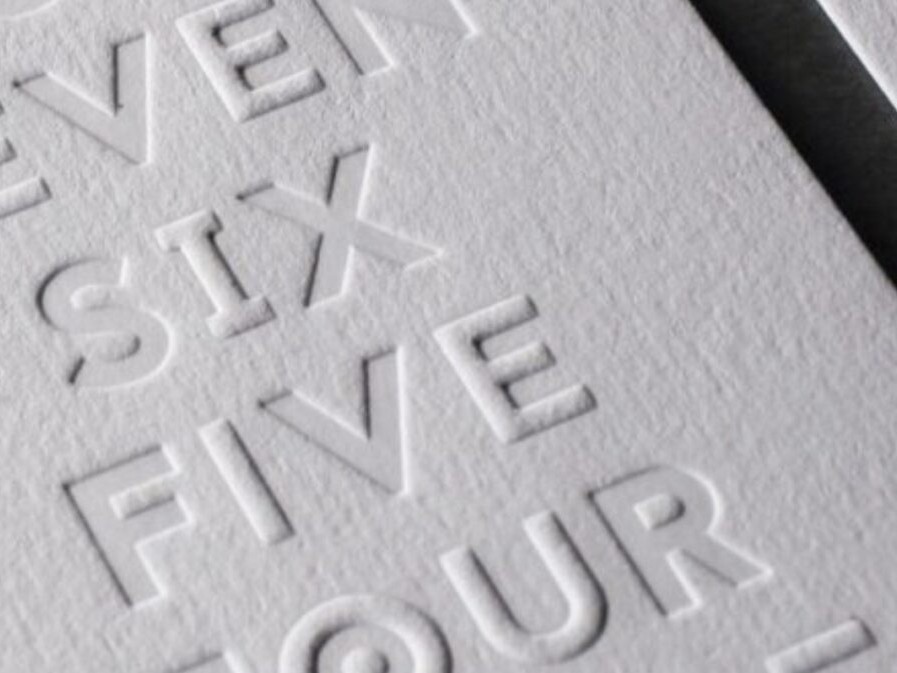
Embossing
Embossing creates a raised, 3D effect, adding texture and depth, perfect for high-quality designs like invitations or business cards.
Debossing
Debossing presses a design into the material, creating a recessed effect that adds a subtle, elegant detail to printed items.
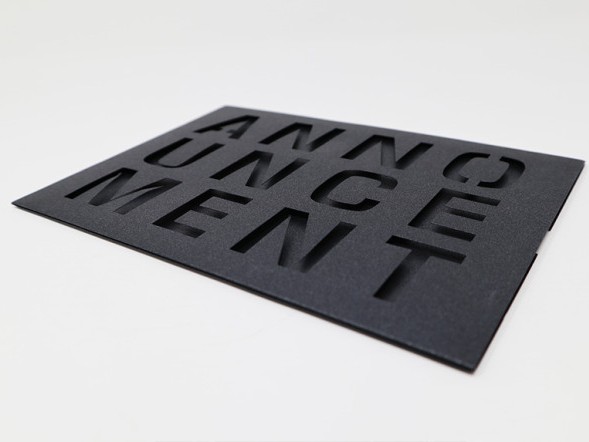
Die Cutting
Die cutting shapes materials into custom patterns or unique designs, perfect for creative packaging or custom-shaped prints.
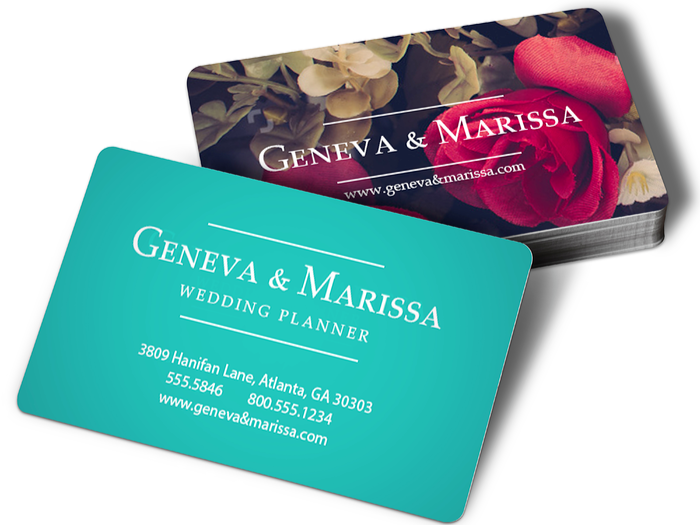
Round Corner
Round cornering softens sharp edges, giving printed materials a modern, polished look, commonly used for business cards or brochures.
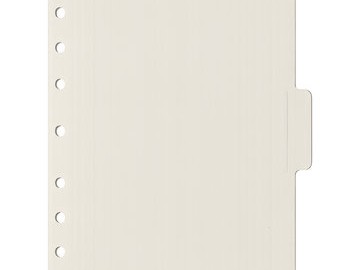
Punch
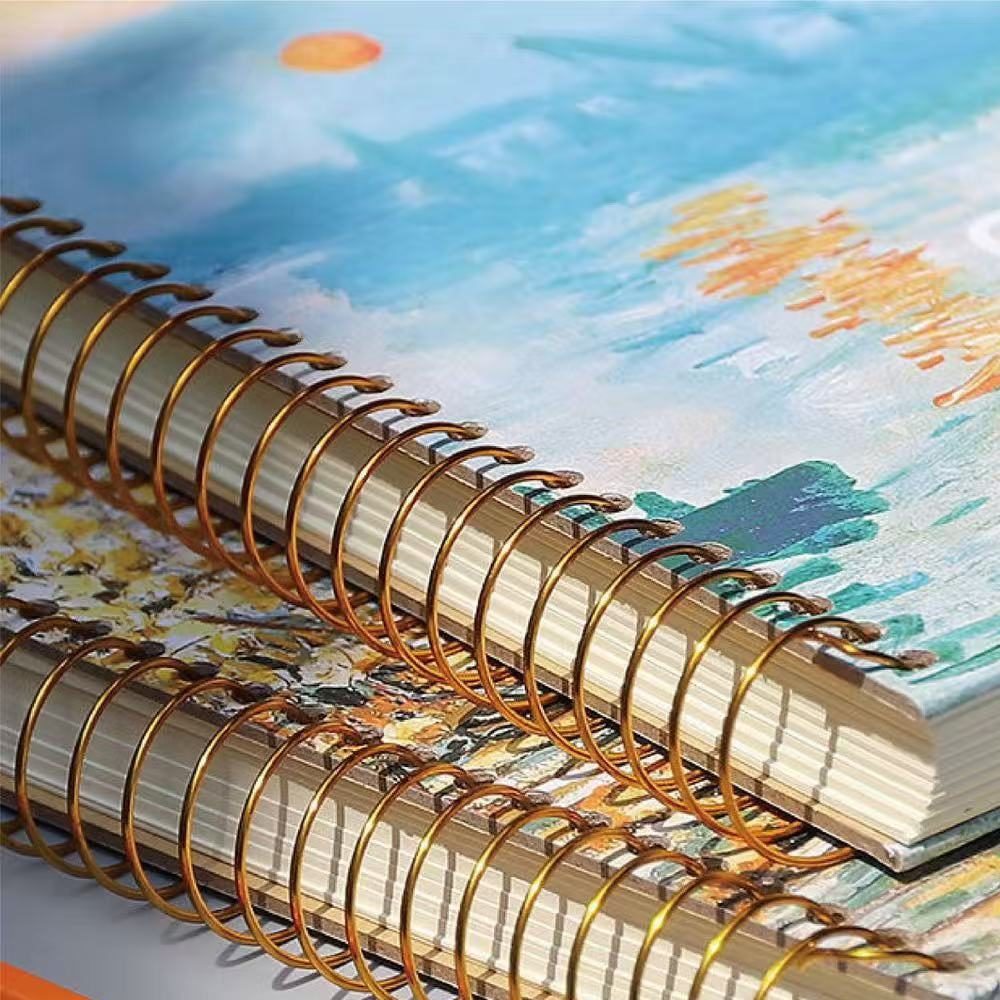
Punching creates holes or cutouts in prints, ideal for creating ring-bound books, tickets, or custom tags.
How Our One-Stop Solution Works
From your first idea to finished books and packaging, PrintPack360 helps manage the full production workflow in one place.
01
Requirements
Share your book type, size, quantity, artwork, packaging needs, and target market.
02
Design Review
We check artwork, bleed, margins, color mode, spine width, and packaging dielines.
03
Solution Plan
We recommend paper, binding, finishing, packaging structure, safety, and eco options.
04
Sample Proofing
Digital or physical samples help confirm color, materials, structure, and details.
05
Book Printing
We produce custom books with printing, binding, finishing, and production control.
06
Packaging
We make slipcases, rigid boxes, mailer boxes, inserts, sleeves, and paper bags.
07
Quality Check
We inspect color, binding, finishing, packaging, quantity, and final presentation.
08
Delivery
Finished products are packed for sea, air, express, warehouse, or e-commerce delivery.