- +86 15056500929
- info@printpack360.com
- Zhishan Building, Lane 999, Zhuanxing East Road, Minhang District, Shanghai China


Saddle Stitched Brochure Printing
Saddle stitched brochure printing for product brochures, brand booklets, event programs, training manuals, school booklets, restaurant menus, real estate brochures, and corporate promotional materials.
PrintPack360 supports low MOQ production, offset or digital printing, 8-64 page saddle stitching, coated or uncoated paper, finishing options, file checking, proofing, quality inspection, and export-ready packing.
- MOQ: from 500 pieces
- Page count: best for 8-64 pages depending on paper weight
- Printing: full-color offset or digital printing
- Paper: gloss art paper, matte art paper, uncoated offset paper, or FSC paper options
- Finishing: matte/gloss lamination, spot UV, foil stamping, die-cutting, and perforation
- Files: print-ready PDF, CMYK, 300 dpi, with 3mm bleed
Product Snapshot
| Product Type | Saddle stitched brochure printing for product brochures, brand booklets, event programs, and corporate marketing materials |
|---|---|
| MOQ | From 500 pieces, suitable for short-run campaigns, product launches, exhibitions, and bulk marketing distribution |
| Page Count | Recommended for 8-64 pages, depending on paper GSM and final booklet thickness |
| Printing Method | Full-color offset printing or digital printing based on quantity, artwork, and delivery schedule |
| Paper Options | 128gsm, 157gsm, or 200gsm gloss/matte art paper; 80gsm, 100gsm, or 120gsm uncoated offset paper |
| Binding | Saddle stitched binding with metal staples, designed for brochures that open flat and read easily |
| Finishing Options | Matte lamination, gloss lamination, soft-touch lamination, spot UV, foil stamping, die-cutting, and perforation |
| Best For | Product brochures, company booklets, event handbooks, training manuals, school booklets, restaurant menus, and real estate brochures |
| File Requirement | Print-ready PDF, CMYK, 300 dpi, fonts embedded or outlined, and 3mm bleed |
Saddle Stitched Brochure Printing Overview
Saddle stitched brochure printing is a practical choice for multi-page marketing materials that need to look professional, open flat, and stay cost-efficient. Unlike a tri-fold brochure, a saddle stitched brochure gives brands more room for product details, company information, service explanations, event schedules, training content, and sales messaging.
This format is suitable for B2B companies, schools, event organizers, real estate teams, restaurants, manufacturers, agencies, and corporate marketing departments. PrintPack360 coordinates prepress review, paper selection, offset or digital printing, saddle stitch binding, finishing, inspection, and export packing for international orders.
If you are comparing formats, you can also review our booklet printing services or compare this page with custom tri-fold brochure printing when your content only needs six panels.
Application Scenarios & B2B Use Cases
Saddle stitched brochures work best when a buyer needs a compact but structured printed piece. The format is light, easy to distribute, and more information-rich than a flyer or folded leaflet.
- Product brochures: suitable for product lines, specifications, comparison tables, application notes, and sales arguments.
- Brand and company booklets: useful for introducing company background, services, factory capability, case studies, and contact information.
- Event programs: suitable for exhibitions, conferences, seminars, school events, charity events, and training sessions.
- Restaurant and hospitality menus: useful for compact multi-page menus, seasonal offers, hotel guides, and service booklets.
- Training and education materials: suitable for course handouts, school booklets, workshop manuals, and internal guides.
Problems We Help You Avoid
- Wrong page count: saddle stitch booklets need page counts in multiples of four and should stay within a practical thickness range.
- Weak center spread planning: important content should not be lost near the staple fold or center gutter.
- Paper too thick: heavy paper can make the booklet spring open or trim unevenly if the page count is too high.
- Image quality loss: product photos, diagrams, maps, and QR codes need suitable resolution for print.
- Color mismatch: brand colors should be checked through CMYK/Pantone references and proof approval.
- Generic booklet format: product brochures need a clear buyer path, not just a collection of pages.
Recommended Materials for Saddle Stitched Brochures
| Paper Option | Recommended Use | Buyer Notes |
|---|---|---|
| 128gsm gloss or matte art paper | Cost-controlled marketing brochures and high-volume handouts | Good for image-rich brochures with lighter page counts |
| 157gsm gloss or matte art paper | Standard product brochures, brand booklets, and sales materials | Balanced paper feel, image quality, and folding performance |
| 200gsm art paper | Premium covers or low-page brochures | Better stiffness, but page count should be checked carefully |
| 80-120gsm uncoated offset paper | Training booklets, instruction-style brochures, and writable pages | More natural writing surface and lower glare than coated paper |
For sustainability-sensitive projects, FSC-certified paper, recycled paper, and lower-plastic finishing options should be confirmed before quotation. You can review PrintPack360’s environmental certification information and compare it with your procurement requirements. For general reference, the Forest Stewardship Council explains FSC certification and responsible forestry sourcing.
Printing, Binding & Finishing Options
Saddle stitched brochure production should be planned around page count, paper thickness, opening feel, and reading order. The booklet should open smoothly, keep pages aligned, and present content in a logical buyer journey.
- Printing: full-color CMYK offset printing or digital printing can be selected based on quantity and schedule.
- Binding: metal staple saddle stitching is suitable for 8-64 page brochures, subject to paper thickness and final size.
- Cover options: same paper throughout, heavier cover paper, laminated cover, or specialty paper cover can be discussed.
- Finishing: matte/gloss lamination, soft-touch lamination, spot UV, foil stamping, die-cutting, and perforation can be added when needed.
- Functional details: tear-off coupons, QR codes, inquiry forms, maps, charts, and product comparison pages can be planned into the layout.
If your brochure requires a thicker spine or more pages, compare this product with custom product catalog printing. For compact campaign handouts, flyer and leaflet printing may be more efficient.
Sustainability & Print Quality Notes
For saddle stitched brochures, buyer requirements usually focus on paper sourcing, color consistency, finishing durability, file accuracy, and packing condition. FSC paper, recycled paper, soy-based ink, and sustainability documentation should be treated as selectable options, not default guarantees.
For quality management expectations, buyers may refer to recognized systems such as ISO 9001 quality management requirements. For color-sensitive brand brochures, final approval should rely on file review, proofs, approved samples, and agreed inspection criteria.
Proofing & Quality Control
Before bulk production, saddle stitched brochures should be checked for page order, center spread alignment, staple position, trim accuracy, paper feel, image clarity, color, QR code readability, and final packing method. A printed proof is useful when brand color, small text, or premium finishing is important.
- Prepress review: bleed, page count, imposition, safe margins, image resolution, fonts, CMYK setup, and finishing layers are checked before printing.
- Proofing: digital proof or printed proof can be arranged depending on project risk, quantity, and approval requirements.
- Binding check: staple position, page sequence, center spread, fold accuracy, trimming, and opening feel should be confirmed.
- Bulk inspection: printing, folding, saddle stitching, trimming, finishing, carton packing, quantity, and labeling should be checked before shipment.
For first-time brochure projects, PrintPack360’s sample strategy can help decide whether a digital proof, printed proof, or finished sample is needed before bulk production.
File Requirements for Saddle Stitched Brochure Printing
Print-ready PDF files with 3mm bleed are recommended for accurate quotation and efficient production. Files should be prepared in CMYK color mode with 300 dpi images and fonts embedded or outlined.
- Page count should be in multiples of four for saddle stitch production.
- Final trim size, page order, and cover direction should be confirmed before file export.
- Important text, logos, page numbers, QR codes, and diagrams should stay inside the safe margin.
- Center-spread artwork should account for the fold and staple area.
- Images should be high resolution and placed at final print size where possible.
- Spot UV, foil stamping, embossing, debossing, die-cut, or perforation areas should be supplied as separate vector layers or clearly marked spot-color artwork.
Export Packaging & Shipping Preparation
Saddle stitched brochures are usually stacked, bundled, wrapped, and packed into cartons after trimming and inspection. Export-ready packing may include bundle wrapping, inner cartons, corrugated export cartons, moisture protection, carton labels, and palletization when needed.
If brochures are going to an exhibition, distributor, branch office, or fulfillment warehouse, carton labels, bundle quantity, delivery deadline, and shipping terms should be confirmed before shipment. For production visibility, you can review PrintPack360’s process transparency page when discussing milestone updates.
Information Needed for Quotation
To quote saddle stitched brochure printing accurately, please prepare the following details:
- Brochure type: product brochure, company booklet, event program, training manual, school booklet, restaurant menu, or real estate brochure
- Final size: A4, A5, 210 × 210mm square booklet, or custom size
- Page count: total pages, confirmed in multiples of four
- Quantity: target order quantity and optional quantity breaks
- Paper: cover paper, inner paper, GSM, coating, recycled/FSC option, and matte/gloss preference
- Printing: CMYK, Pantone spot color, or special brand color requirement
- Finishing: matte/gloss lamination, soft-touch lamination, spot UV, foil stamping, die-cutting, or perforation
- Files: print-ready PDF with 3mm bleed, or design files needing prepress support
- Shipping: destination country, city, trade term, event deadline, and carton labeling requirement
You can send these details through the PrintPack360 contact page or the product inquiry form.
FAQ
What is saddle stitched brochure printing?
Saddle stitched brochure printing produces a multi-page booklet folded and stapled along the center spine. It is commonly used for product brochures, company booklets, event programs, training manuals, school booklets, and promotional materials.
What is the MOQ for saddle stitched brochures?
The visible product page lists an MOQ from 500 pieces. Final pricing depends on size, page count, paper, printing method, finishing, quantity, and shipping destination.
How many pages can a saddle stitched brochure have?
Saddle stitching is commonly recommended for 8-64 pages, depending on paper thickness and final size. Page counts should normally be in multiples of four.
What paper is best for saddle stitched brochures?
157gsm matte or gloss art paper is a balanced choice for product brochures. 128gsm works for cost-controlled distribution, while 200gsm is better for premium covers or lower-page booklets.
Can saddle stitched brochures open flat?
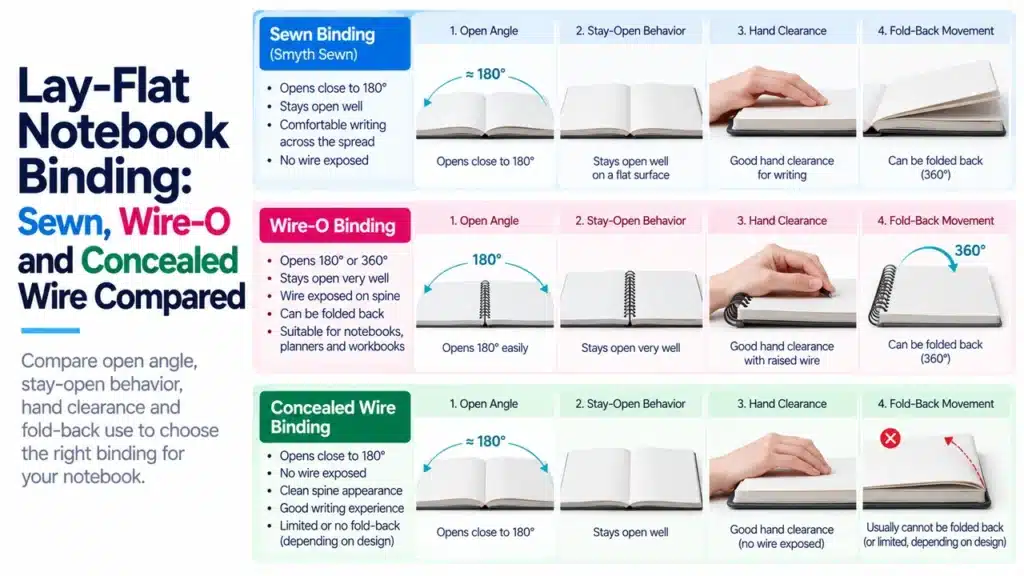
Yes. Saddle stitched brochures usually open flatter than perfect-bound booklets, making them practical for product spreads, event programs, training pages, and menu-style layouts.
Can I add foil stamping, spot UV, or perforation?
Yes. Foil stamping, spot UV, lamination, die-cutting, and perforation can be discussed. These finishing areas should be supplied as separate vector layers or clearly marked spot-color artwork.
What files are needed for saddle stitched brochure printing?
Print-ready PDF files in CMYK at 300 dpi are recommended. Files should include 3mm bleed, safe margins, embedded or outlined fonts, correct page order, and a page count in multiples of four.
How are saddle stitched brochures packed for export?
They are usually trimmed, stacked, bundle wrapped, carton packed, labeled, and prepared for export shipment. Carton quantity and labeling can be adjusted for events, distributors, or warehouse delivery.
Production Flowchart


Related Blog Posts
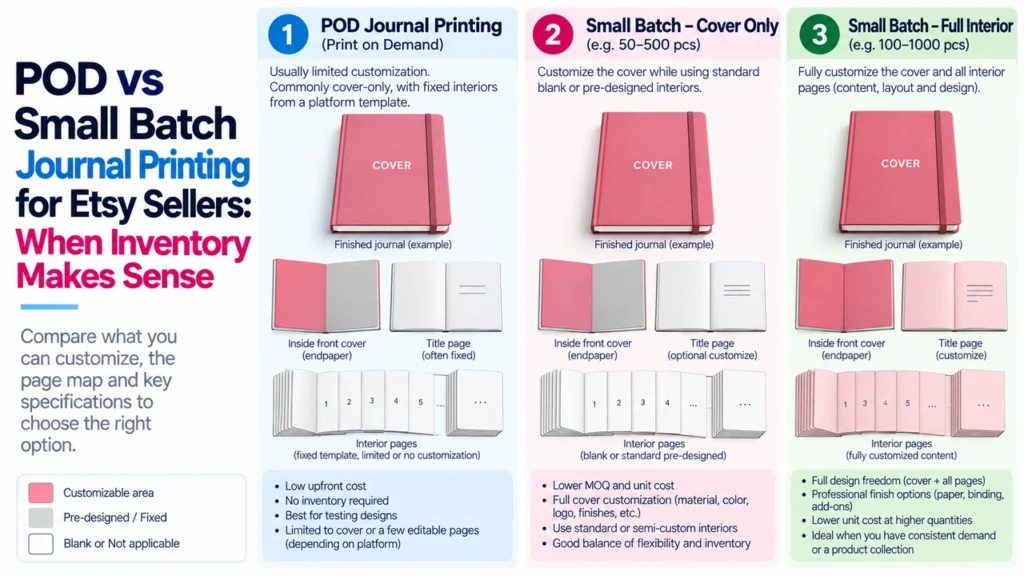
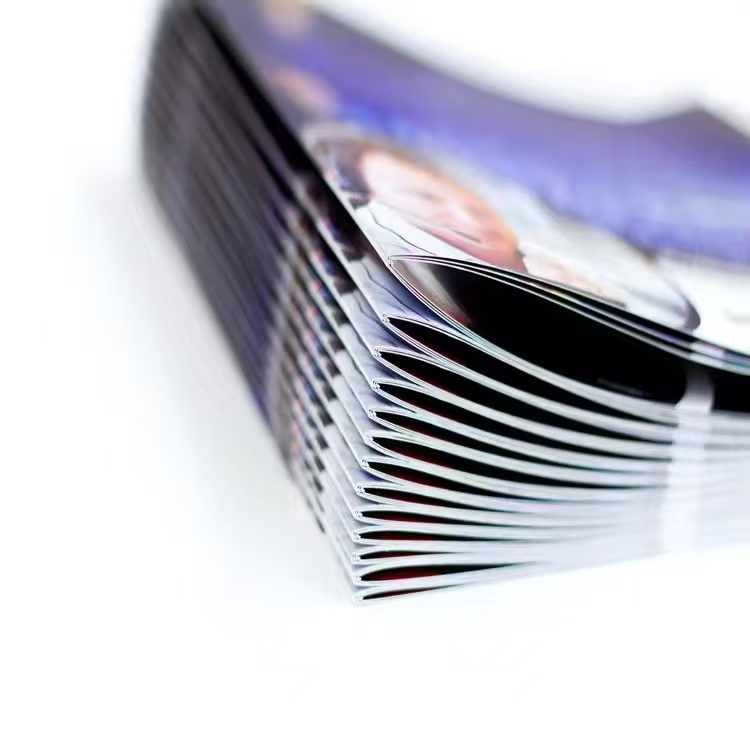
Saddle Stitching
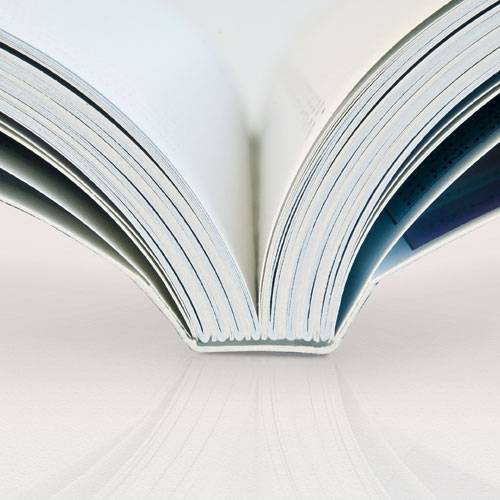
Perfect Binding
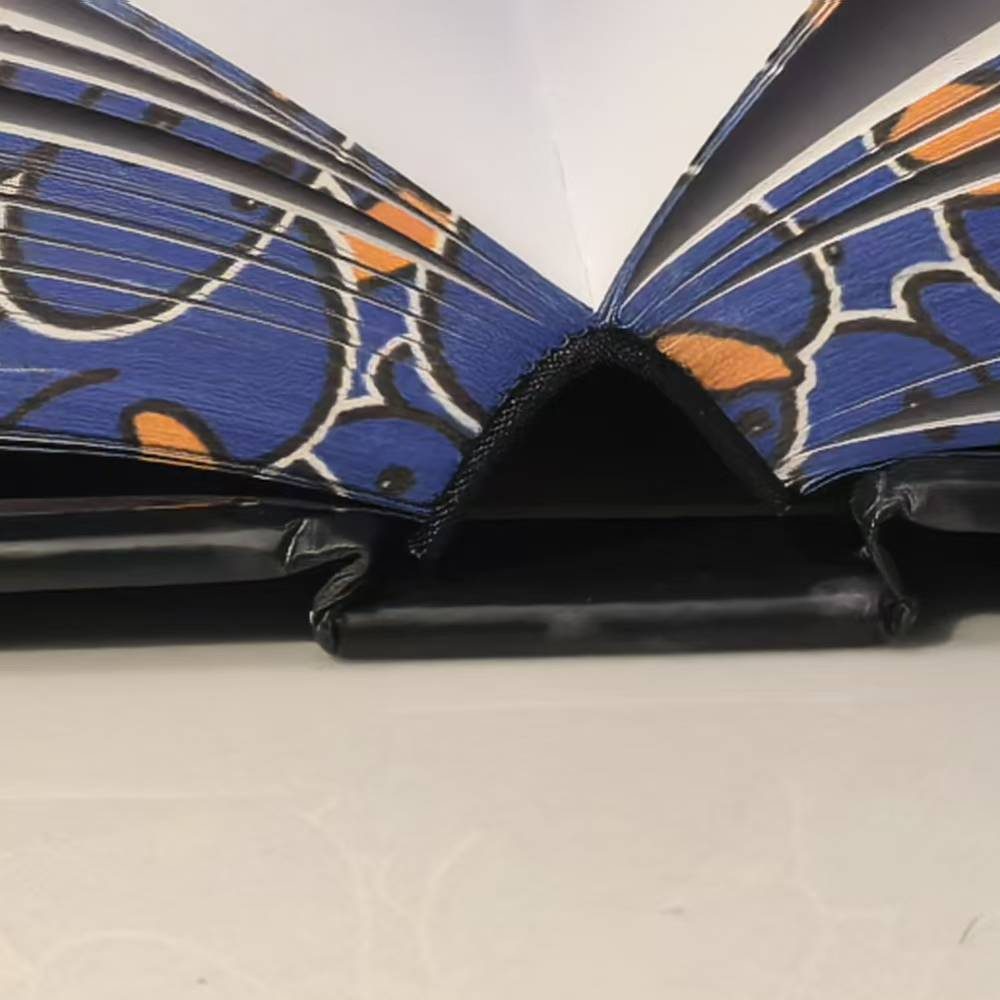
Perfect Binding with Sewn

Fold

Case Bound
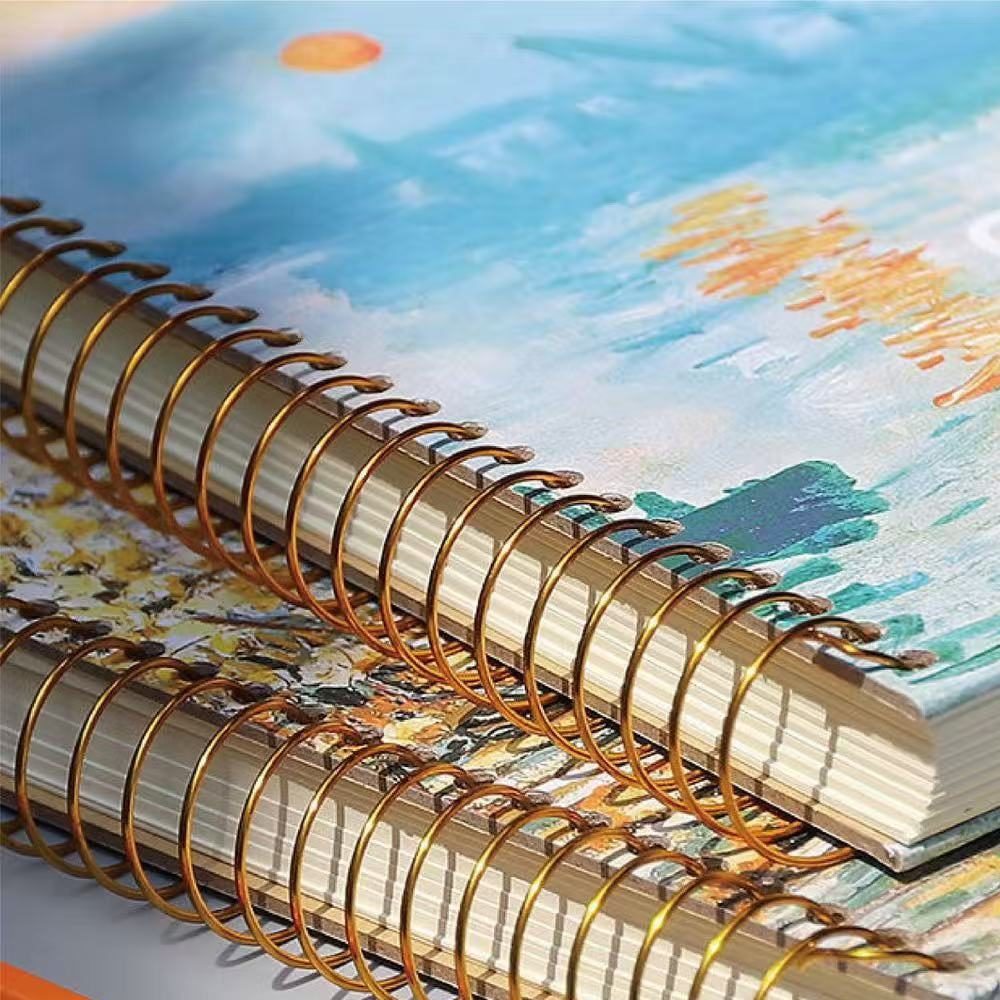
Spiral/Wire-O binding
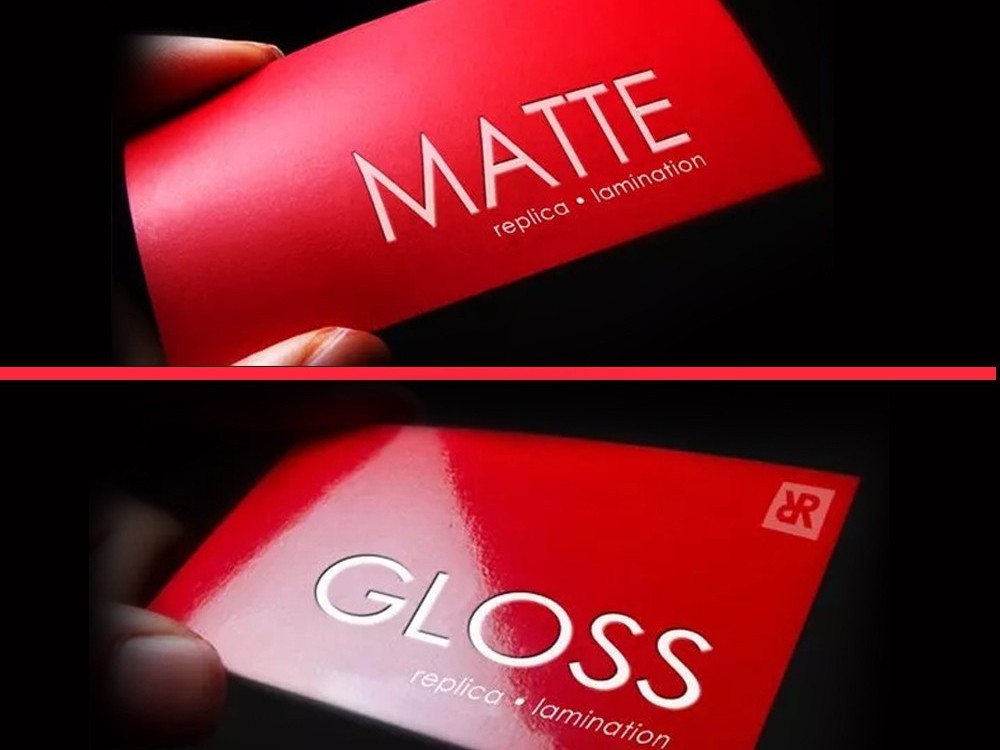
Gloss/Matt Laminate
Gloss laminate adds a shiny finish, enhancing color vibrancy, while matte laminate offers a sleek, non-reflective look for a more refined finish.
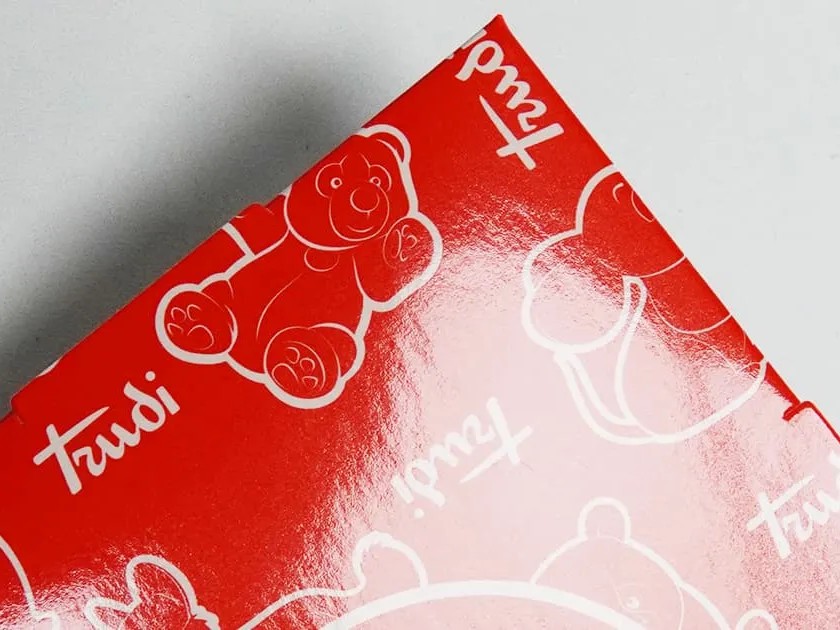
Varnishing
Varnishing adds a protective coating, enhancing durability and providing either a glossy or matte finish to make designs more vibrant and long-lasting.
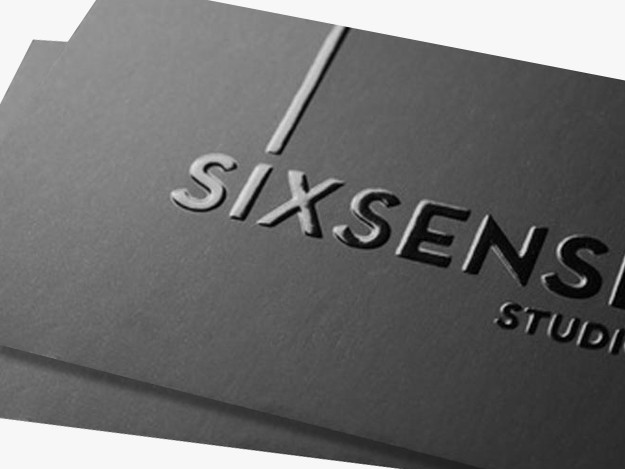
Spot UV
Spot UV applies a glossy coating to specific areas of a print, creating a contrast between shiny and matte surfaces, highlighting key design elements.
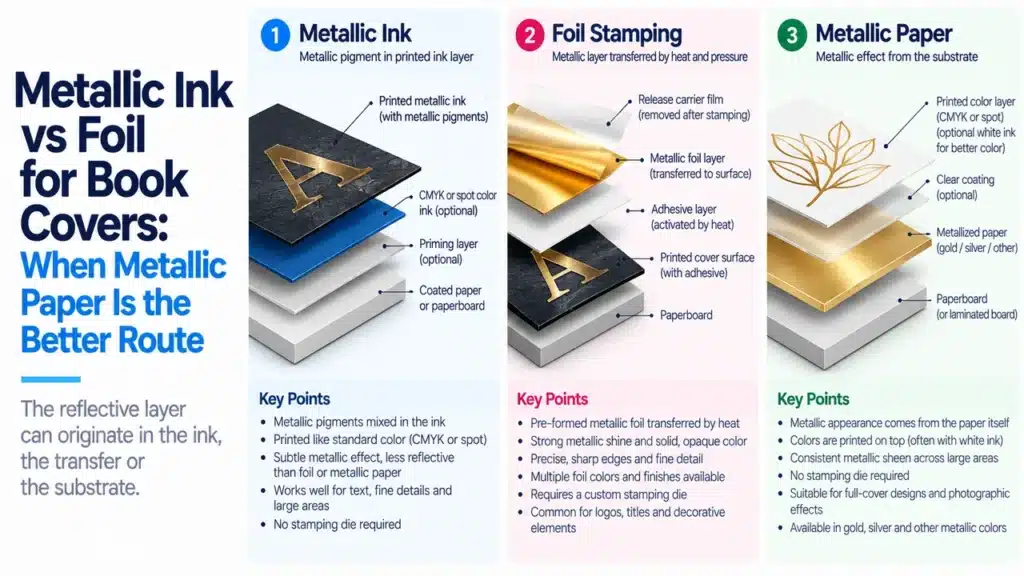
Foil Stamping
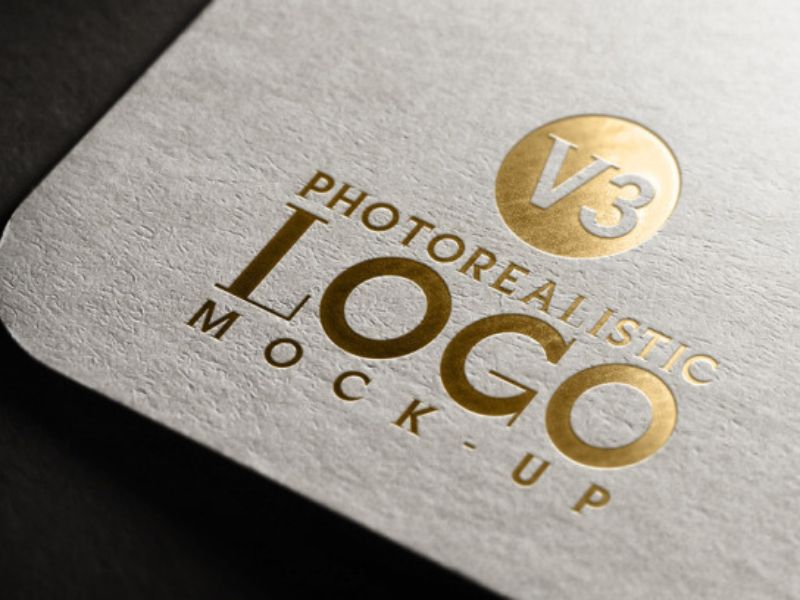
Foil stamping uses heat to apply metallic or colored foil to specific areas, adding a luxurious, shiny effect to logos and text.
Embossing
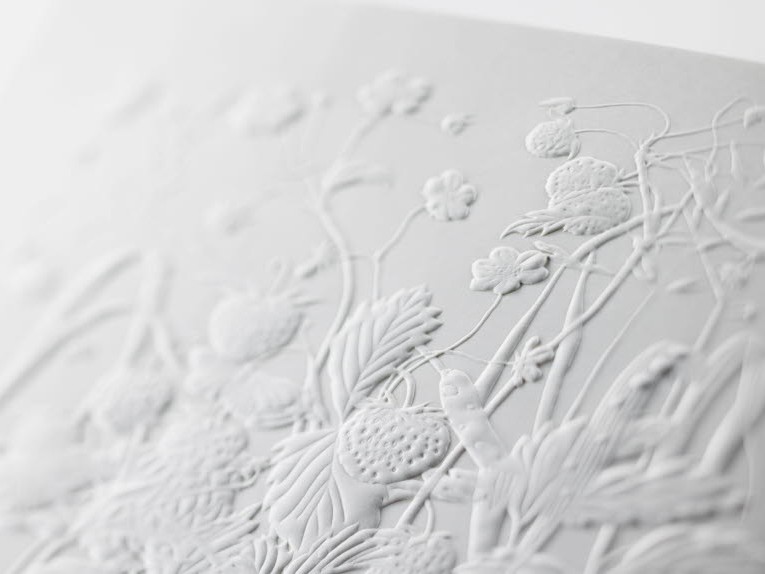
Embossing creates a raised, 3D effect, adding texture and depth, perfect for high-quality designs like invitations or business cards.
Debossing
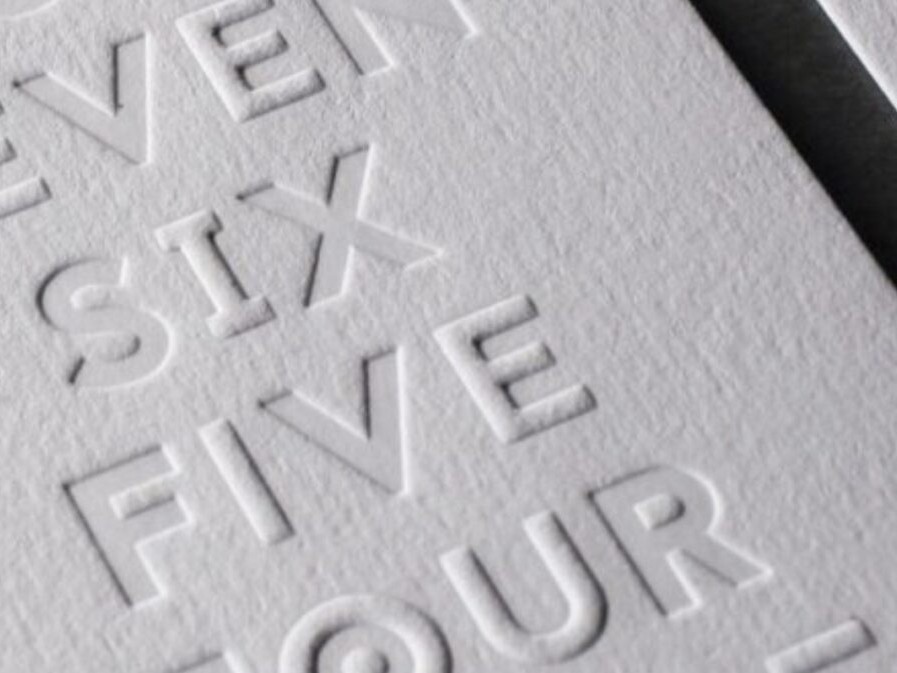
Debossing presses a design into the material, creating a recessed effect that adds a subtle, elegant detail to printed items.
Die Cutting
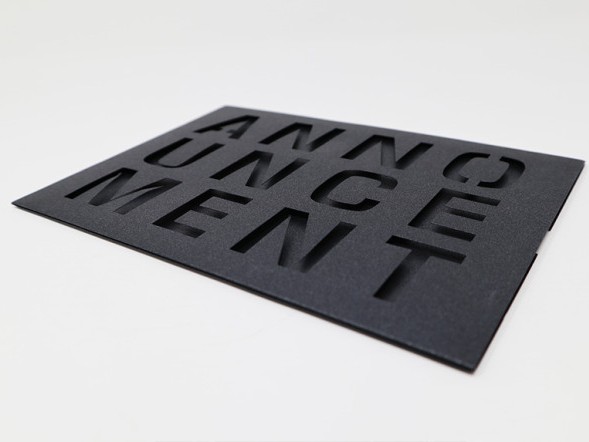
Die cutting shapes materials into custom patterns or unique designs, perfect for creative packaging or custom-shaped prints.
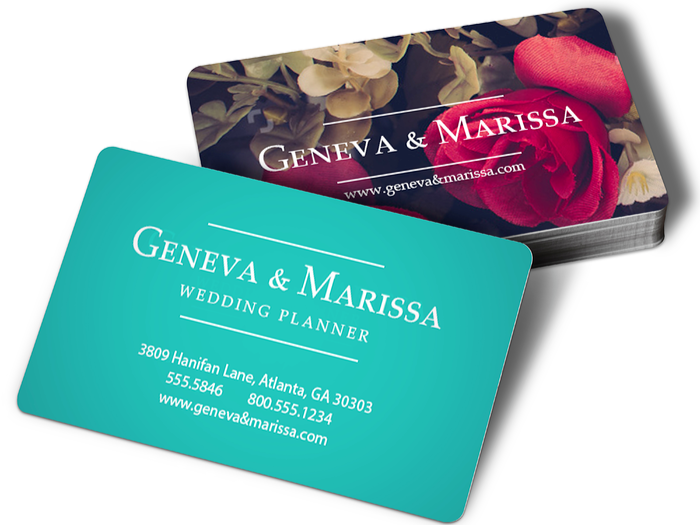
Round Corner
Round cornering softens sharp edges, giving printed materials a modern, polished look, commonly used for business cards or brochures.
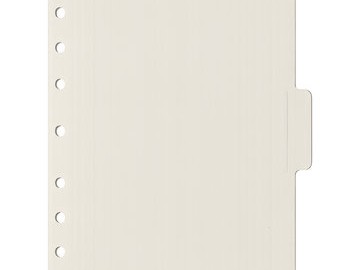
Punch
Punching creates holes or cutouts in prints, ideal for creating ring-bound books, tickets, or custom tags.
How Our One-Stop Solution Works
From your first idea to finished books and packaging, PrintPack360 helps manage the full production workflow in one place.
Requirements
Share your book type, size, quantity, artwork, packaging needs, and target market.
Design Review
We check artwork, bleed, margins, color mode, spine width, and packaging dielines.
Solution Plan
We recommend paper, binding, finishing, packaging structure, safety, and eco options.
Sample Proofing
Digital or physical samples help confirm color, materials, structure, and details.
Book Printing
We produce custom books with printing, binding, finishing, and production control.
Packaging
We make slipcases, rigid boxes, mailer boxes, inserts, sleeves, and paper bags.
Quality Check
We inspect color, binding, finishing, packaging, quantity, and final presentation.
Delivery
Finished products are packed for sea, air, express, warehouse, or e-commerce delivery.