- +86 15056500929
- info@printpack360.com
- Zhishan Building, Lane 999, Zhuanxing East Road, Minhang District, Shanghai China


Custom Tri-Fold Brochure Printing
Custom tri-fold brochure printing for company profiles, product introductions, event handouts, service guides, restaurant menus, school brochures, and professional marketing campaigns.
PrintPack360 supports low MOQ brochure production, CMYK offset printing, coated paper selection, letter-fold layout control, matte or gloss finishing, file checking, proofing, inspection, and export-ready packing.
- MOQ: from 1000 pieces
- Material: 128gsm, 157gsm, 200gsm, or 250gsm coated paper
- Printing: full-color CMYK offset printing
- Size: A4 open size, 210 × 297mm, or custom size
- Folding: tri-fold / letter fold brochure structure
- Files: PDF, AI, or PSD with 3mm bleed and clear fold-line setup
Product Snapshot
| Product Type | Custom tri-fold brochure printing for professional marketing, sales, event, and service communication |
|---|---|
| MOQ | From 1000 pieces, suitable for promotional campaigns, exhibitions, retail distribution, and brand handouts |
| Printing Method | Full-color CMYK offset printing for consistent brochure production |
| Standard Size | A4 open size, 210 × 297mm, or customized size |
| Folding Type | Tri-fold / letter fold with six content panels |
| Paper Options | 128gsm, 157gsm, 200gsm, or 250gsm coated paper with matte or gloss surface |
| Finishing Options | Matte lamination, gloss lamination, soft-touch finish, varnish, spot UV, foil stamping, embossing, debossing, and die-cut details |
| Best For | Company profiles, service brochures, product introductions, event materials, restaurant menus, school brochures, and NGO information sheets |
| File Requirement | Print-ready PDF, AI, or PSD with CMYK color, 300 dpi images, 3mm bleed, and clearly marked fold panels |
Custom Tri-Fold Brochure Printing Overview
Custom tri-fold brochure printing is a practical format for brands that need compact, easy-to-distribute marketing material with enough space for structured information. A tri-fold brochure gives you six panels for presenting a company introduction, product benefits, service steps, pricing notes, contact details, QR codes, and campaign messaging.
This format is widely used by B2B companies, schools, restaurants, trade show teams, real estate agencies, healthcare service providers, tourism businesses, and local service brands. PrintPack360 coordinates file checking, paper selection, CMYK offset printing, folding, finishing, inspection, and export packing for international orders.
If you are comparing marketing print formats, you can also review our brochure printing services or compare this product with flyer and leaflet printing when you need a simpler single-sheet handout.
Application Scenarios & B2B Use Cases
Tri-fold brochures are useful when the reader needs a quick but organized explanation. The folded structure creates a natural reading path: cover, opening message, inside explanation, call-to-action, and contact information.
- Company profiles: suitable for introducing business background, capabilities, services, advantages, and contact details.
- Product and service brochures: useful for explaining product lines, service packages, technical benefits, and customer pain points.
- Trade shows and exhibitions: compact enough for booth distribution, sales kits, folders, and visitor handouts.
- Restaurant and hospitality menus: suitable for compact menus, service guides, room information, and promotional offers.
- Education and NGO brochures: useful for admissions information, program introductions, fundraising campaigns, and public communication.
Problems We Help You Avoid
- Wrong fold panel setup: tri-fold brochures need correct panel width, fold allowance, and reading order.
- Text too close to folds: important text and logos should stay away from fold lines and trim edges.
- Paper too thin or too stiff: paper GSM should match brochure size, folding method, and distribution use.
- Color inconsistency: brand colors should be checked with CMYK or Pantone references before bulk printing.
- Low-resolution images: product photos, maps, QR codes, and icons should be prepared clearly for print.
- Weak call-to-action: brochures should clearly include website, email, phone, QR code, address, or inquiry path.
Recommended Materials for Tri-Fold Brochures
| Paper Option | Recommended Use | Buyer Notes |
|---|---|---|
| 128gsm coated paper | Cost-controlled bulk brochure distribution | Lightweight and suitable for high-volume campaigns |
| 157gsm coated paper | General company and product brochures | A balanced option for readability, image quality, and folding |
| 200gsm coated paper | Premium marketing brochures and sales handouts | Stronger hand feel and better shelf presence |
| 250gsm coated paper | High-end presentations and durable brochure use | Requires careful folding setup to reduce cracking risk |
For sustainability-sensitive projects, FSC-certified paper, recycled paper, and lower-plastic finishing options should be confirmed before quotation. You can review PrintPack360’s environmental certification information and compare it with your procurement requirements. For general reference, the Forest Stewardship Council explains responsible forestry sourcing.
Printing, Folding & Finishing Options
Tri-fold brochure production should be planned around both visual impact and folding accuracy. A clean brochure depends on the correct relationship between artwork layout, fold direction, paper thickness, finishing method, and final trimming.
- Printing: full-color CMYK offset printing is suitable for consistent brand brochures, campaign handouts, and product introductions.
- Fold structure: tri-fold / letter fold is the standard structure; custom folded brochure formats can be discussed when needed.
- Surface finish: matte lamination, gloss lamination, soft-touch finish, varnish, or UV coating can improve feel and durability.
- Premium effects: spot UV, foil stamping, embossing, debossing, and die-cut windows can be added when the brochure needs stronger brand impact.
- Functional details: QR codes, maps, coupon sections, perforation, and custom shapes can be discussed depending on the campaign.
If your content requires more pages than a tri-fold brochure can hold, compare this product with booklet printing. For larger product-line presentation, custom product catalog printing may be a better fit.
Sustainability & Print Quality Notes
For brochure printing, the most common buyer concerns are paper sourcing, print color consistency, finishing durability, and whether the brochure can be packed and distributed without damage. FSC paper, recycled paper, soy-based ink, and specific sustainability documentation should be treated as selectable options, not automatic guarantees.
For quality management expectations, buyers may refer to recognized systems such as ISO 9001 quality management requirements. For color-sensitive campaigns, references such as G7 by Idealliance may help define color-control discussions, but final approval should rely on proofs and agreed inspection criteria.
Proofing & Quality Control
Before bulk production, tri-fold brochures should be checked for panel order, fold direction, reading sequence, image clarity, QR code readability, color, trimming, and final folded size. A printed proof is helpful when the brochure uses brand colors, small text, premium paper, or special finishing.
- Prepress review: bleed, fold lines, panel size, safe margins, image resolution, fonts, CMYK setup, and finishing layers are checked before production.
- Proofing: digital proof or printed proof can be arranged depending on project risk and approval requirements.
- Folding check: panel width, fold direction, cover position, inside spread, and contact panel should be verified before mass production.
- Bulk inspection: printing, trimming, folding, finishing, carton packing, quantity, and labeling should be checked before shipment.
For first-time brochure projects, PrintPack360’s sample strategy can help decide whether a digital proof, printed proof, or finished sample is needed before bulk production.
File Requirements for Tri-Fold Brochure Printing
Print-ready PDF, AI, or PSD files with 3mm bleed are recommended for accurate quotation and efficient production. Files should be prepared in CMYK color mode with 300 dpi images and fonts embedded or outlined.
- Final open size and folded size should be confirmed before artwork export.
- Tri-fold panels should be set with correct fold allowance; do not assume all panels are exactly the same width without checking the folding method.
- Important text, logos, QR codes, maps, and contact details should stay away from fold lines and trim edges.
- Images should be high resolution and placed at final print size where possible.
- Spot UV, foil stamping, embossing, debossing, die-cut, or perforation areas should be supplied as separate vector layers or clearly marked spot-color artwork.
- QR codes and barcodes should be tested before production.
Export Packaging & Shipping Preparation
Tri-fold brochures are usually packed flat after folding, stacked by quantity, and protected inside cartons. Export-ready packing may include bundle wrapping, inner cartons, corrugated export cartons, moisture protection, carton labels, and palletization when needed.
If brochures will be distributed at an event, shipped to multiple branch offices, or packed into sales kits, carton quantity, label content, and delivery schedule should be confirmed before shipment. For production visibility, you can review PrintPack360’s process transparency page when discussing milestone updates.
Information Needed for Quotation
To quote custom tri-fold brochure printing accurately, please prepare the following details:
- Brochure type: company profile, product brochure, event handout, restaurant menu, service guide, school brochure, or NGO brochure
- Size: A4 open size, folded size, or custom dimensions
- Quantity: target quantity and optional quantity breaks
- Paper: 128gsm, 157gsm, 200gsm, 250gsm, recycled/FSC option, matte or gloss preference
- Printing: full-color CMYK, Pantone spot color, or special brand color requirement
- Fold: tri-fold / letter fold direction and final panel order
- Finishing: matte/gloss lamination, soft-touch, varnish, spot UV, foil stamping, embossing, debossing, die-cut, or perforation
- Files: print-ready PDF, AI, or PSD with fold lines and 3mm bleed
- Shipping: destination country, city, trade term, event deadline, and carton labeling requirement
You can send these details through the PrintPack360 contact page or the product inquiry form.
FAQ
What is custom tri-fold brochure printing?
Custom tri-fold brochure printing produces a folded marketing brochure with six panels. It is commonly used for company profiles, product introductions, event handouts, restaurant menus, service guides, and compact promotional materials.
What is the MOQ for custom tri-fold brochures?
The visible product page lists an MOQ from 1000 pieces. Final pricing depends on size, paper, printing colors, finishing, quantity, folding method, and shipping destination.
What paper is best for tri-fold brochures?
157gsm coated paper is a common balanced choice. 128gsm is useful for cost-controlled distribution, while 200gsm or 250gsm coated paper gives a more premium hand feel and stronger presentation.
What is the standard size for a tri-fold brochure?
A common standard is A4 open size, 210 × 297mm, folded into a tri-fold / letter-fold format. Custom sizes can also be produced if the artwork and folding structure are confirmed before printing.
Can I add foil stamping, spot UV, or embossing?
Yes. Foil stamping, spot UV, embossing, debossing, lamination, varnish, and die-cut details can be discussed. These finishing areas should be supplied as separate vector layers in the artwork.
How should I prepare files for tri-fold brochure printing?
Prepare print-ready PDF, AI, or PSD files in CMYK with 300 dpi images, 3mm bleed, safe margins, embedded or outlined fonts, and clearly marked fold lines. Important content should stay away from folds and trim edges.
Can you help check the brochure file before printing?
Yes. File checking can review bleed, fold lines, panel order, image resolution, CMYK setup, fonts, QR code readability, and finishing layers before production.
How are tri-fold brochures packed for export?
Tri-fold brochures are usually folded, stacked, bundle wrapped, carton packed, labeled, and prepared for export shipment. Carton quantity and labeling can be adjusted if brochures are going to events, branch offices, or distribution partners.
Production Flowchart


Related Blog Posts
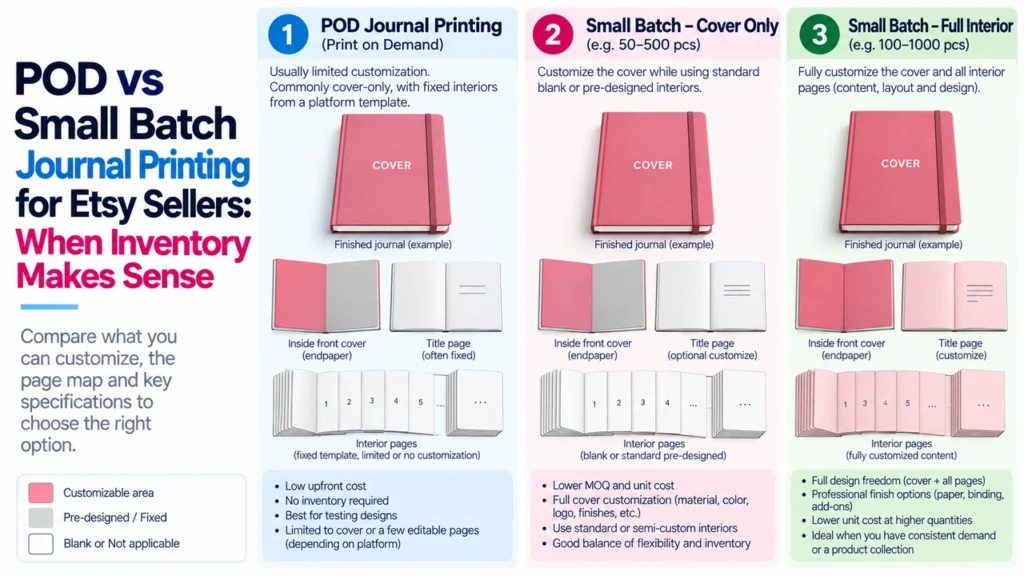
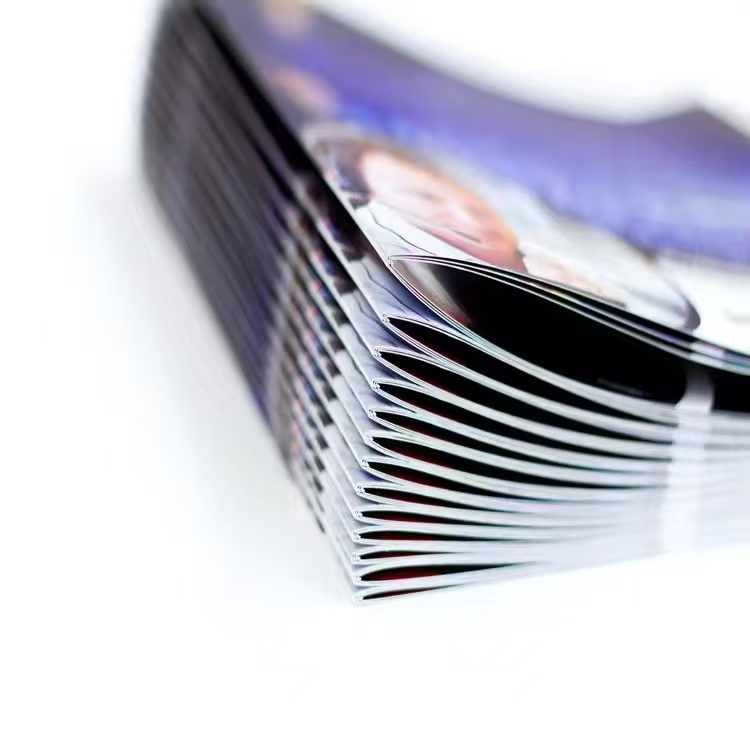
Saddle Stitching

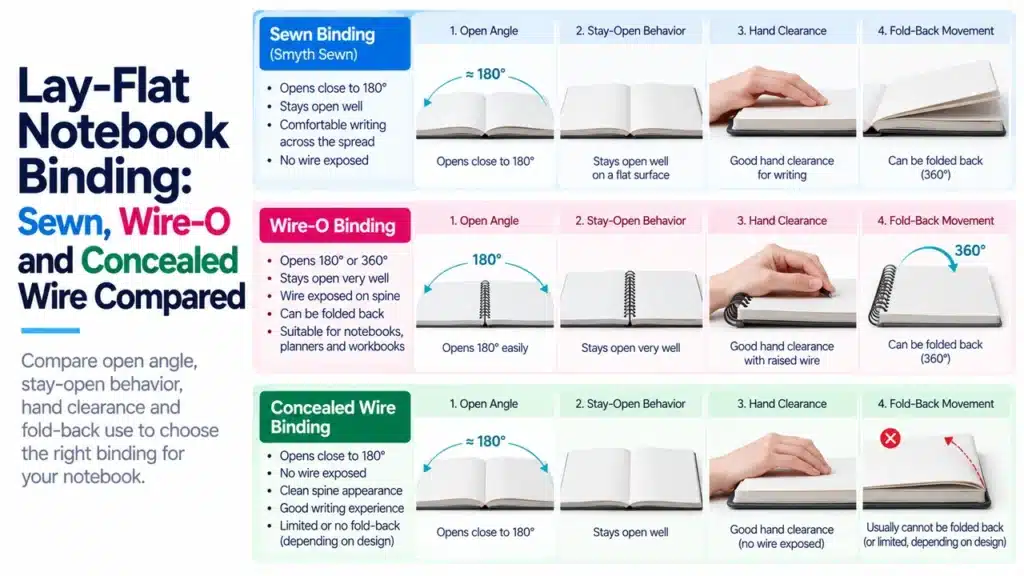
Perfect Binding
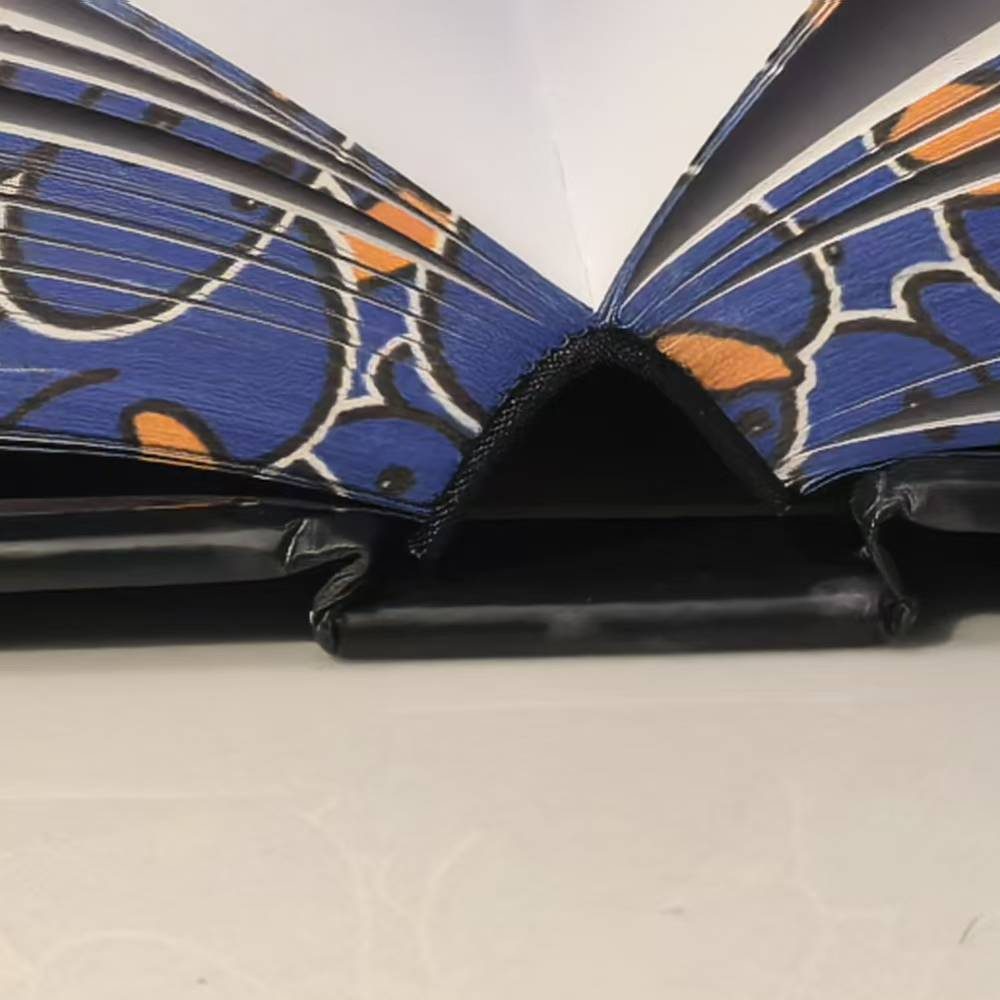
Perfect Binding with Sewn

Fold

Case Bound
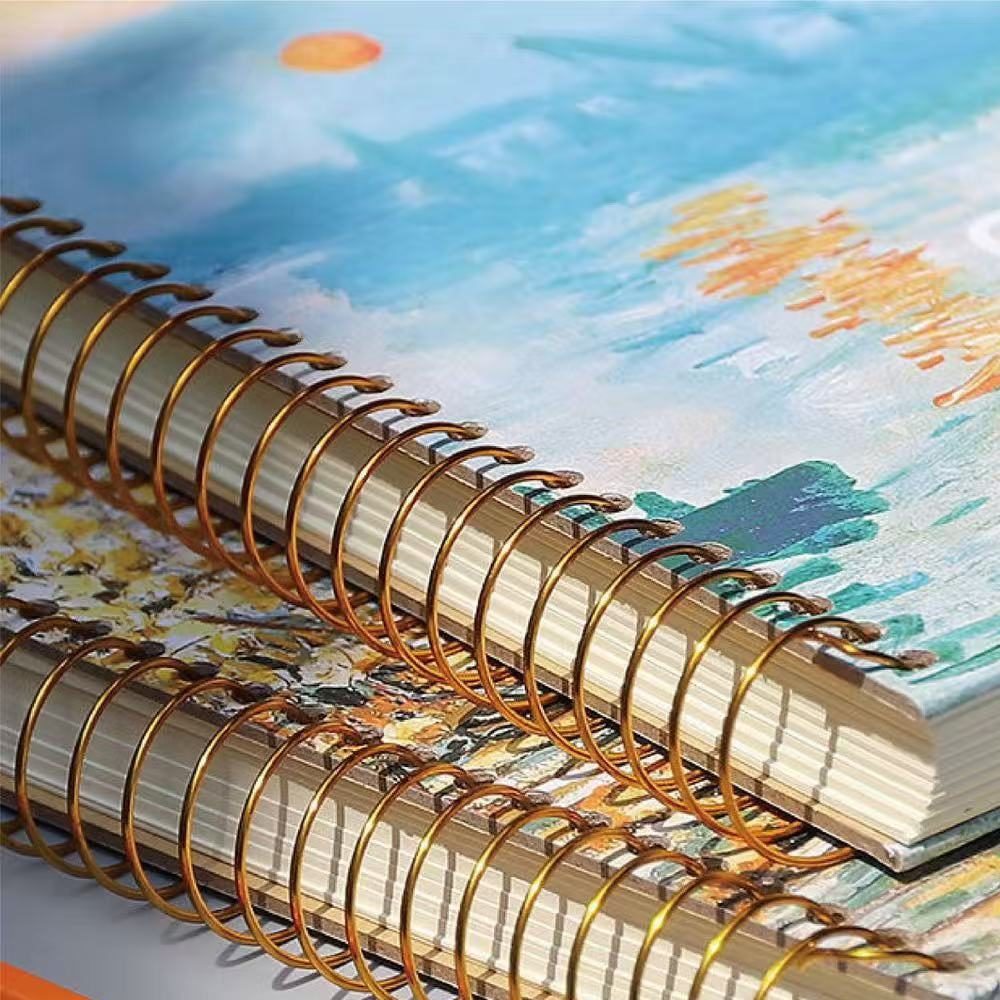
Spiral/Wire-O binding
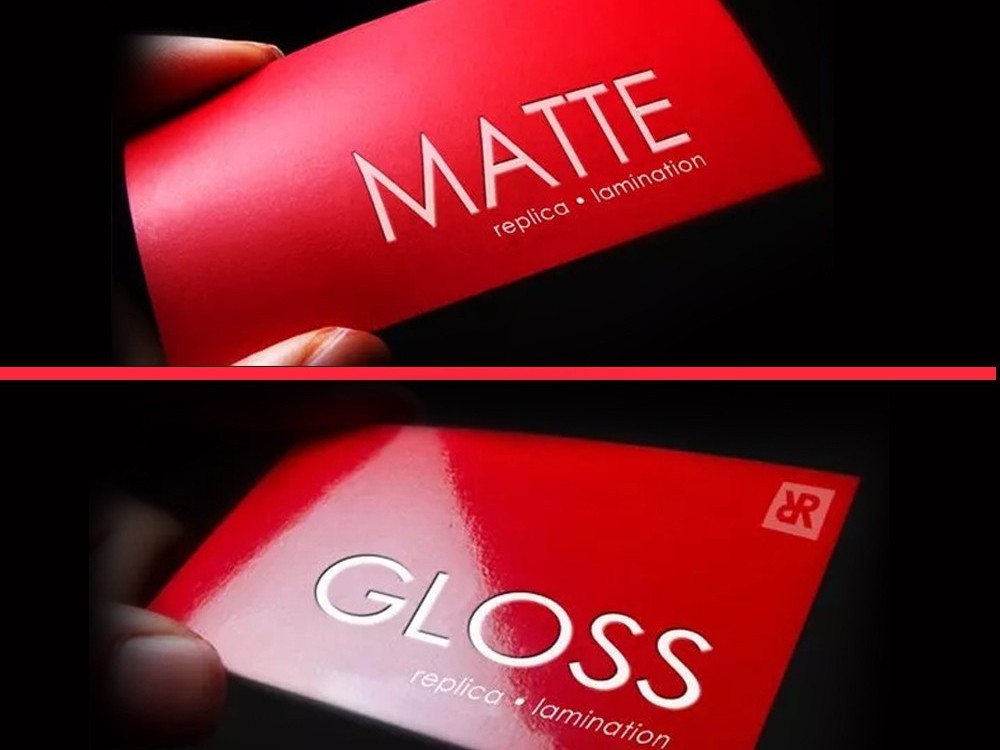
Gloss/Matt Laminate
Gloss laminate adds a shiny finish, enhancing color vibrancy, while matte laminate offers a sleek, non-reflective look for a more refined finish.
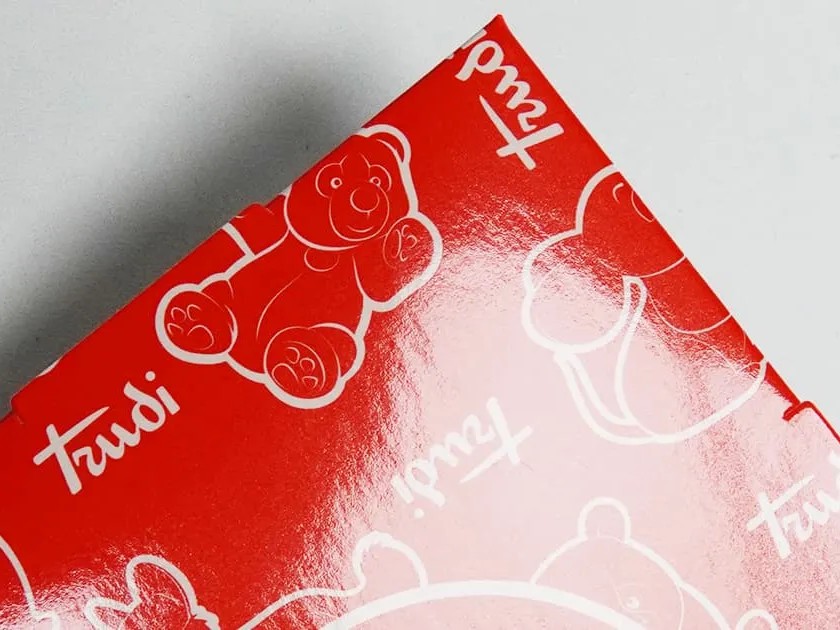
Varnishing
Varnishing adds a protective coating, enhancing durability and providing either a glossy or matte finish to make designs more vibrant and long-lasting.
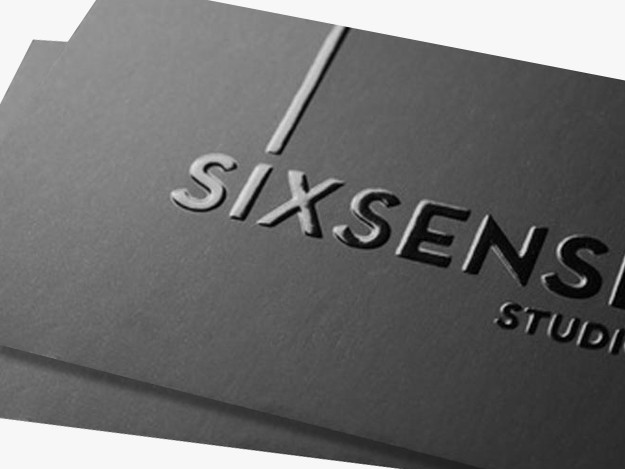
Spot UV
Spot UV applies a glossy coating to specific areas of a print, creating a contrast between shiny and matte surfaces, highlighting key design elements.
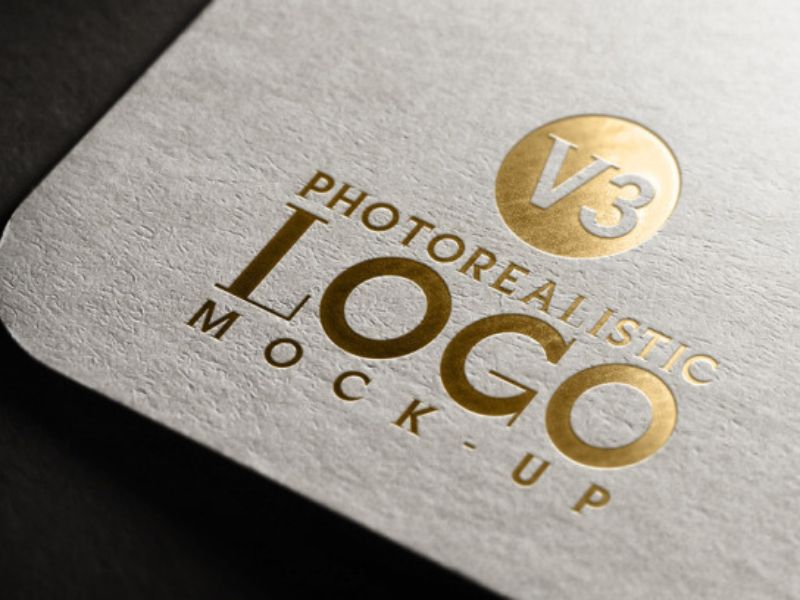
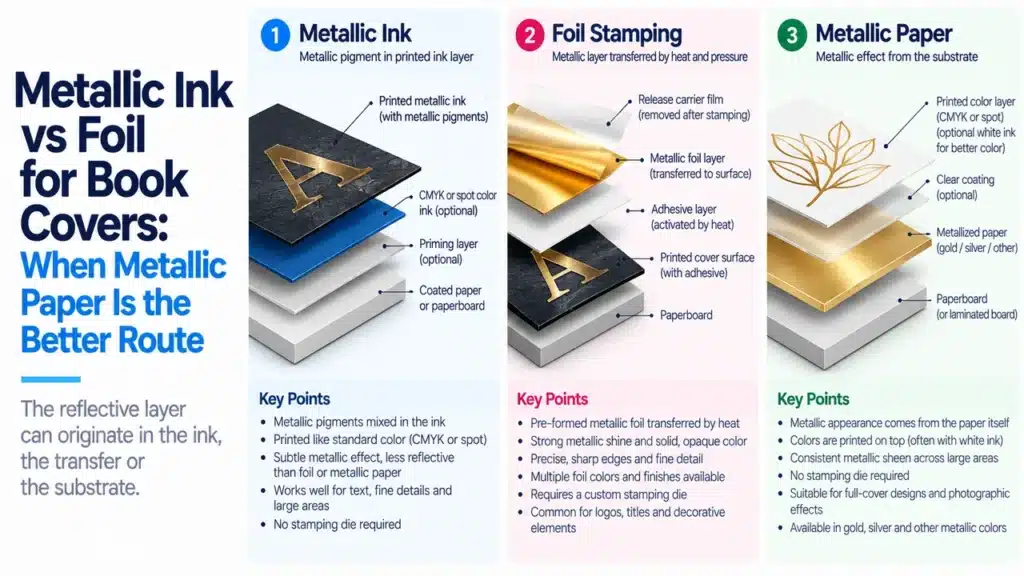
Foil Stamping
Foil stamping uses heat to apply metallic or colored foil to specific areas, adding a luxurious, shiny effect to logos and text.
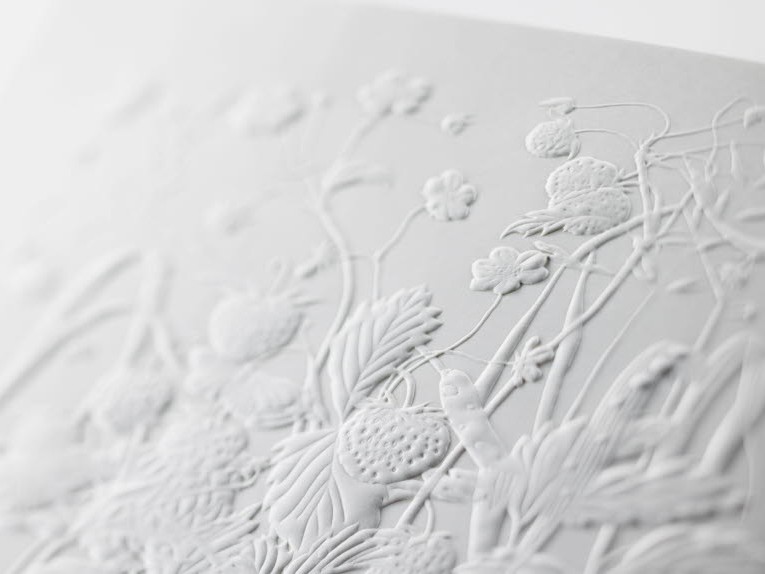
Embossing
Embossing creates a raised, 3D effect, adding texture and depth, perfect for high-quality designs like invitations or business cards.
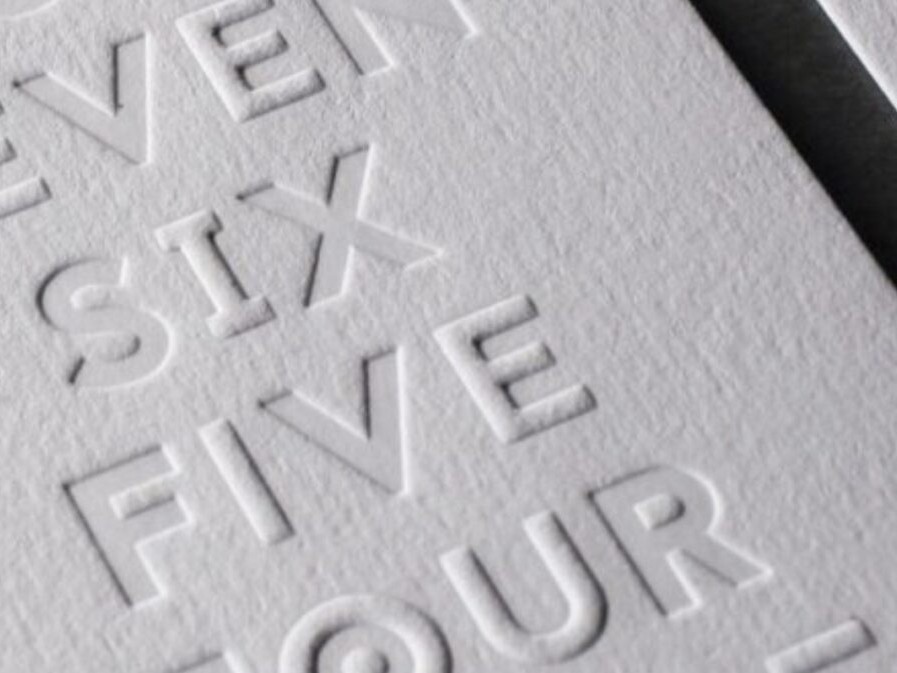
Debossing
Debossing presses a design into the material, creating a recessed effect that adds a subtle, elegant detail to printed items.
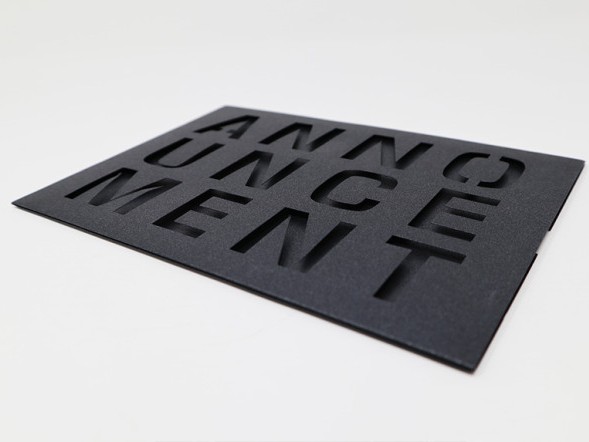
Die Cutting
Die cutting shapes materials into custom patterns or unique designs, perfect for creative packaging or custom-shaped prints.
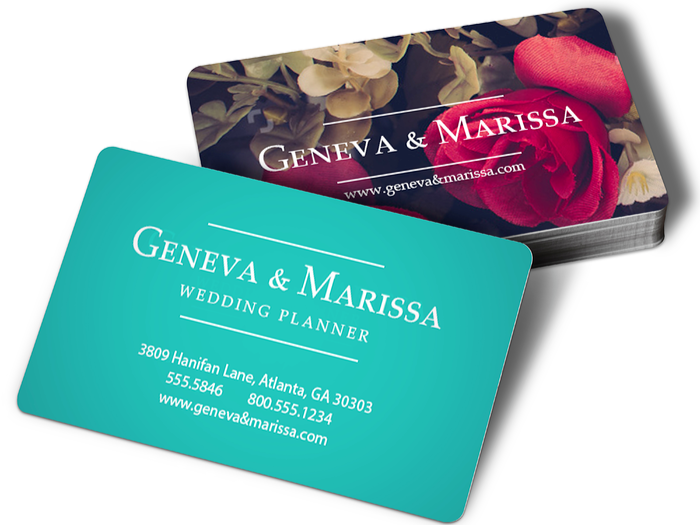
Round Corner
Round cornering softens sharp edges, giving printed materials a modern, polished look, commonly used for business cards or brochures.
Punch
Punching creates holes or cutouts in prints, ideal for creating ring-bound books, tickets, or custom tags.
How Our One-Stop Solution Works
From your first idea to finished books and packaging, PrintPack360 helps manage the full production workflow in one place.
Requirements
Share your book type, size, quantity, artwork, packaging needs, and target market.
Design Review
We check artwork, bleed, margins, color mode, spine width, and packaging dielines.
Solution Plan
We recommend paper, binding, finishing, packaging structure, safety, and eco options.
Sample Proofing
Digital or physical samples help confirm color, materials, structure, and details.
Book Printing
We produce custom books with printing, binding, finishing, and production control.
Packaging
We make slipcases, rigid boxes, mailer boxes, inserts, sleeves, and paper bags.
Quality Check
We inspect color, binding, finishing, packaging, quantity, and final presentation.
Delivery
Finished products are packed for sea, air, express, warehouse, or e-commerce delivery.