- +86 15056500929
- info@printpack360.com
- Zhishan Building, Lane 999, Zhuanxing East Road, Minhang District, Shanghai China


Low MOQ Custom Hardcover Restaurant Menus
Low MOQ custom hardcover restaurant menus for fine-dining restaurants, boutique cafés, hotels, bars, lounges, wine rooms, dessert shops, and hospitality brands that need premium menu books without starting from a large order.
PrintPack360 supports small-batch hardcover menu book production, offset printing, casebound construction, sewn binding, screw-post binding for replaceable pages, PU leather or cloth covers, wipeable lamination, foil stamping, embossing, proofing, inspection, and export-ready packing.
- MOQ: from 50 copies
- Printing: offset printing for food images, menu text, and brand colors
- Binding: sewn hardcover, sewn + perfect binding, lay-flat binding, or screw-post binding
- Cover options: specialty paper, cloth cover, PU leather, linen fabric, or art paper mounted on greyboard
- Finishing: matte/gloss lamination, soft-touch coating, anti-scratch coating, foil stamping, embossing, debossing, and spot UV
- Files: print-ready PDF, CMYK, 300 dpi, with at least 3mm bleed
Product Snapshot
| Product Type | Low MOQ custom hardcover restaurant menus and luxury menu book production for hospitality brands |
|---|---|
| MOQ | From 50 copies, suitable for boutique restaurants, hotel dining rooms, pilot openings, and seasonal menu updates |
| Printing Method | Offset printing for premium food photography, wine lists, cocktail menus, and brand presentation |
| Cover Materials | Specialty paper, cloth cover, PU leather, linen fabric, soft-touch coated cover, or art paper mounted on 2.0-3.0mm greyboard |
| Text Paper | 80-157gsm offset paper, 128gsm / 157gsm coated paper, 200gsm art paper, or recycled paper options |
| Binding Options | Sewn hardcover, sewn + perfect binding, lay-flat binding, or screw-post binding for removable pages |
| Finishing Options | Matte lamination, gloss lamination, soft-touch lamination, anti-scratch coating, anti-fingerprint coating, foil stamping, embossing, debossing, and spot UV |
| Best For | Fine-dining menus, hotel dining menus, wine lists, cocktail menus, dessert menus, VIP menus, and multi-page restaurant catalogs |
| File Requirement | Print-ready PDF, CMYK, 300 dpi, fonts embedded or outlined, and at least 3mm bleed |
Low MOQ Custom Hardcover Restaurant Menus Overview
Low MOQ custom hardcover restaurant menus are designed for hospitality businesses that need premium menu books without committing to a large production run. This is useful for new restaurant openings, boutique cafés, hotel dining rooms, seasonal menu updates, wine lists, cocktail menus, and VIP menu presentations.
A hardcover menu book gives the guest a stronger first impression than a disposable sheet or basic laminated menu. With PU leather, cloth, specialty paper, foil stamping, embossing, and wipeable lamination options, the menu can match the dining room, brand identity, and service level.
If you are comparing related formats, review our cookbook and menu printing category. For another hardcover menu option, compare this page with premium custom hardcover restaurant menus.
Application Scenarios & B2B Use Cases
Small-batch hardcover menu production is useful when the restaurant needs a premium result but expects menu changes, phased openings, or location-by-location rollout. The right structure depends on page count, update frequency, cleaning method, and guest handling.
- New restaurant openings: suitable for launch menus, soft-opening menus, tasting menus, and first-location trials.
- Boutique cafés and dessert shops: useful for branded menu books, cake menus, coffee menus, and seasonal specials.
- Hotels and resorts: suitable for dining rooms, room-service menus, spa menus, bar menus, and guest service books.
- Bars and lounges: useful for cocktail books, wine lists, whisky lists, dessert menus, and VIP drink menus.
- Restaurants with frequent menu changes: screw-post binding can be discussed when removable or replaceable pages are needed.
Problems We Help You Avoid
- Ordering too many menus too early: low MOQ production helps restaurants test design, size, and menu structure before larger rollout.
- Menus wearing out quickly: hardcover construction, suitable lamination, and stronger binding improve daily handling durability.
- Pages that cannot be updated: screw-post binding can be used when seasonal or price updates are expected.
- Food-photo color issues: food images and brand colors need file checking, proofing, and sample approval before bulk production.
- Surface damage: anti-scratch, anti-fingerprint, matte, gloss, or wipeable finishes should be selected based on restaurant use.
- Export damage: menu corners, covers, laminated surfaces, foil areas, and hardware need suitable wrapping and carton protection.
Recommended Materials for Luxury Hardcover Menu Books
| Component | Recommended Options | Best Use |
|---|---|---|
| Cover | PU leather, linen fabric, cloth cover, specialty paper, soft-touch cover, or art paper mounted on greyboard | Fine dining, hotel restaurants, VIP menus, wine lists, and luxury hospitality branding |
| Inner Pages | 128gsm, 157gsm, or 200gsm art paper; 80-157gsm offset paper; recycled paper options | Food photography, menu text, wine lists, cocktail menus, and seasonal content |
| Surface Protection | Matte lamination, gloss lamination, soft-touch lamination, anti-scratch coating, anti-fingerprint coating, or varnish | Frequent handling, wipeable surfaces, stain resistance, and longer menu life |
| Branding Effects | Foil stamping, embossing, debossing, spot UV, printed endpapers, ribbon marker, or custom cover plate | Logo emphasis, luxury table presentation, and stronger restaurant identity |
For sustainability-sensitive hospitality groups, FSC-certified paper, recycled paper, and lower-plastic finishing options should be confirmed before quotation. You can review PrintPack360’s environmental certification information and compare it with your purchasing requirements. For general reference, the Forest Stewardship Council explains FSC certification and responsible forestry sourcing.
Binding, Cover & Finishing Options
Restaurant menu books should be designed around real service conditions: daily handling, table lighting, cleaning method, page replacement, and storage at the host stand. A premium menu must look good, open comfortably, and survive repeated use.
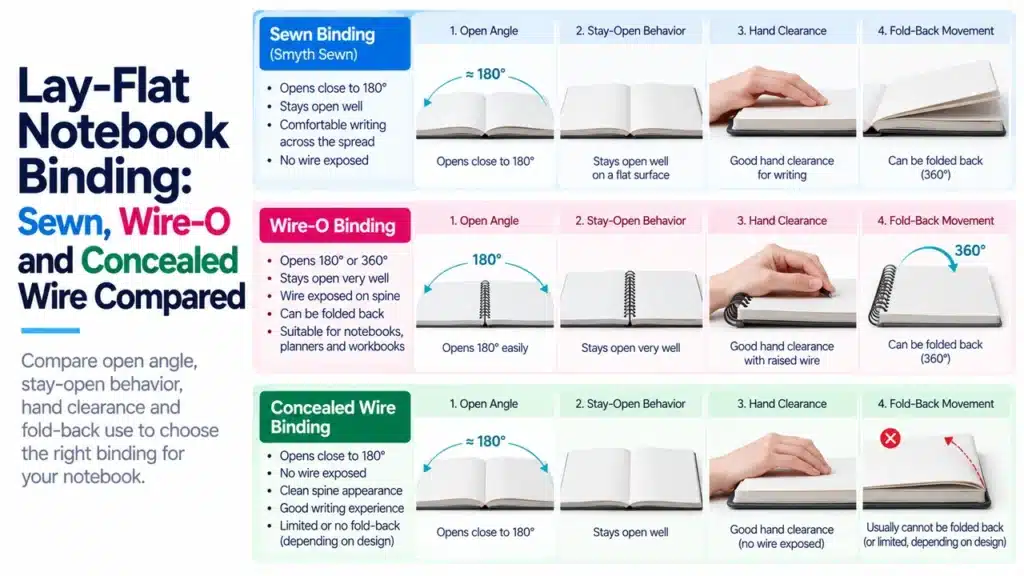
- Sewn hardcover binding: suitable for fixed menu books that need durability and a premium hardback feel.
- Sewn + perfect binding: useful for multi-page hardcover menus where structure and appearance both matter.
- Screw-post binding: suitable when restaurants need removable pages for seasonal menus or price updates.
- Lay-flat binding: useful when menus need to stay open on the table for easy browsing.
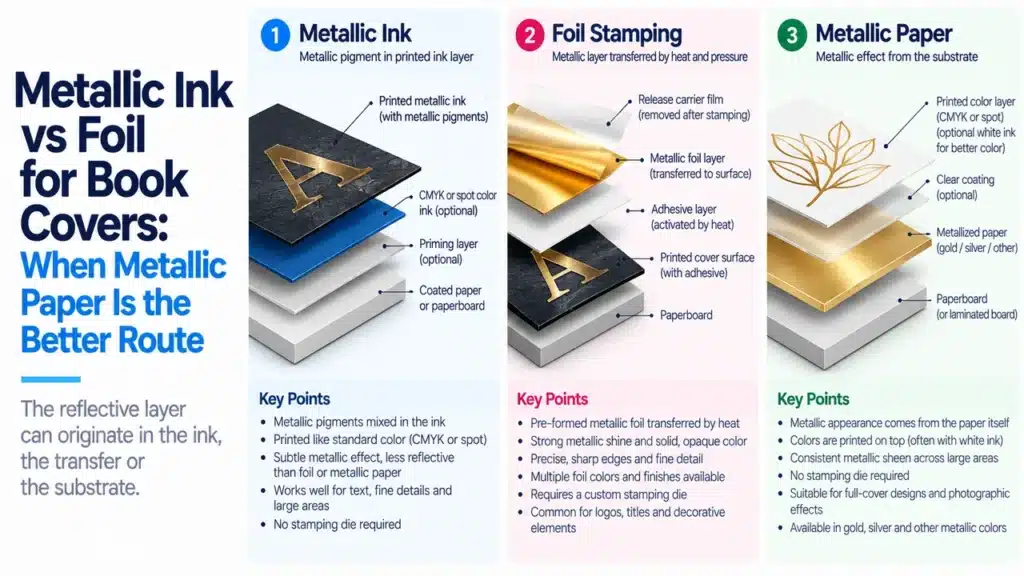
- Cover finishing: foil stamping, embossing, debossing, spot UV, matte lamination, gloss lamination, soft-touch lamination, anti-scratch coating, and anti-fingerprint coating can be discussed.
If your menu is a lighter promotional piece, compare this product with custom tri-fold brochure printing. If your project is closer to a brand catalog or wine catalog, custom product catalog printing may also be useful.
Sustainability & Hospitality Use Notes
For restaurant menus, buyer requirements usually focus on paper sourcing, wipeability, surface durability, color consistency, replacement strategy, and daily-use performance. Water-resistant or wipeable surfaces should be confirmed through material choice and sample approval; do not describe them as fully waterproof unless the exact material and test expectation are agreed.
For quality management expectations, buyers may refer to recognized systems such as ISO 9001 quality management requirements. For color-sensitive food photography and brand colors, G7 by Idealliance can help frame color-control discussions, while final approval should rely on proofs and agreed inspection criteria.
Proofing & Quality Control
For low MOQ luxury menu books, a physical sample is useful before even a small production run. The sample should confirm cover feel, opening behavior, food-image color, wipeable surface, foil effect, binding method, page replacement method, and final table presentation.
- Prepress review: trim size, bleed, CMYK setup, image resolution, fonts, menu page order, cover layout, and finishing layers are checked before production.
- Material confirmation: cover material, greyboard thickness, inner paper, lamination, screw-post hardware, and binding method should be confirmed before sampling.
- Sample review: food-image color, cover feel, opening angle, wipeable surface, foil/embossing effect, page thickness, and packing method should be approved.
- Bulk inspection: printing, binding, trimming, cover mounting, lamination, foil stamping, hardware assembly, carton packing, labeling, and quantity should be checked before shipment.
For first-time overseas printing projects, PrintPack360’s sample strategy can help decide whether a digital proof, material sample, white sample, or finished menu sample is needed.
File Requirements for Hardcover Menu Printing
Print-ready PDF files are recommended for accurate quotation and efficient production. Files should be supplied in CMYK color mode at 300 dpi, with fonts embedded or outlined and at least 3mm bleed on all sides.
- Final menu size, page count, cover structure, binding method, and spine width should be confirmed before file export.
- Food photos should be high resolution and adjusted for print, not only for screen display.
- Menu prices, allergen notes, QR codes, wine names, and contact details should be checked carefully before approval.
- Important text and logos should stay inside the safe margin and away from folds, trimming, screw posts, or binding areas.
- Foil stamping, embossing, debossing, spot UV, and die-cut areas should be supplied as separate vector layers or clearly marked spot-color artwork.
- If pages need replacement later, screw-post hole positions and page-safe areas should be included in the artwork setup.
Export Packaging & Shipping Preparation
Hardcover restaurant menus need careful export packing because covers, corners, foil areas, laminated surfaces, screw-post hardware, and page edges can be damaged during shipment. Export-ready packing may include individual shrink wrap, kraft wrapping, inner cartons, corrugated export cartons, moisture protection, carton labels, and palletization when needed.
If the menus are for a restaurant opening, hotel renovation, franchise rollout, or seasonal menu launch, delivery timing and carton labeling should be confirmed early. For production visibility, you can review PrintPack360’s process transparency page when planning milestone updates and pre-shipment confirmation.
Information Needed for Quotation
To quote low MOQ custom hardcover restaurant menus accurately, please prepare the following details:
- Menu type: food menu, wine list, cocktail menu, dessert menu, room-service menu, VIP menu, or restaurant catalog
- Final size: A4, A5, 210 × 297mm, 170 × 240mm, or custom size
- Page count: 8-200 pages can be discussed; confirm whether pages need replacement later
- Quantity: target quantity, starting from 50 copies, plus optional quantity breaks
- Cover material: PU leather, linen, cloth, specialty paper, art paper wrap, greyboard thickness, and surface finish
- Inner paper: paper type, GSM, matte/gloss preference, recycled/FSC option, and wipeability requirement
- Binding: sewn hardcover, sewn + perfect binding, screw-post binding, lay-flat binding, or other structure
- Finishing: foil stamping, embossing, debossing, spot UV, matte/gloss lamination, soft-touch, anti-scratch, or anti-fingerprint coating
- Files: print-ready PDF or design files needing prepress support
- Shipping: destination country, city, trade term, restaurant opening date, and carton labeling requirement
You can send these details through the PrintPack360 contact page or the product inquiry form.
FAQ
What are low MOQ custom hardcover restaurant menus?
Low MOQ custom hardcover restaurant menus are premium hardback menu books produced in smaller quantities. They are suitable for boutique restaurants, cafés, hotels, bars, lounges, wine rooms, and seasonal menu updates.
What is the MOQ for this hardcover menu book?
The visible product page lists an MOQ from 50 copies. Final pricing depends on size, page count, cover material, binding method, finishing, quantity, and shipping destination.
Are hardcover restaurant menus waterproof?
They can be made more wipeable or water-resistant with suitable lamination or coated surfaces, but they should not be described as fully waterproof unless the exact material and testing expectation are confirmed.
Can restaurant menu pages be replaced later?
Yes. If you need removable or replaceable pages for seasonal updates, choose screw-post binding. The artwork should include correct hole positions and safe margins.
Can I order PU leather or linen fabric covers?
Yes. PU leather, textured PU, linen fabric, cloth cover, specialty paper, and laminated paper-wrapped covers can be discussed based on restaurant style and cleaning needs.
Can I add foil stamping or embossed logos?
Yes. Foil stamping, embossing, debossing, and spot UV can be added to menu covers when the artwork and cover material are suitable. These areas should be supplied as separate vector layers.
Do I need a sample before ordering menu books?
For premium restaurant menus, a physical sample is recommended. It helps confirm cover feel, food-photo color, binding strength, wipeable surface, foil effect, and final table presentation.
What files are needed for hardcover menu printing?
Print-ready PDF files in CMYK at 300 dpi are recommended. Files should include 3mm bleed, embedded or outlined fonts, safe margins, correct page order, and separate layers for foil, embossing, debossing, spot UV, or screw-post holes.
Production Flowchart


Related Blog Posts
Saddle Stitching

Perfect Binding
Perfect Binding with Sewn

Fold

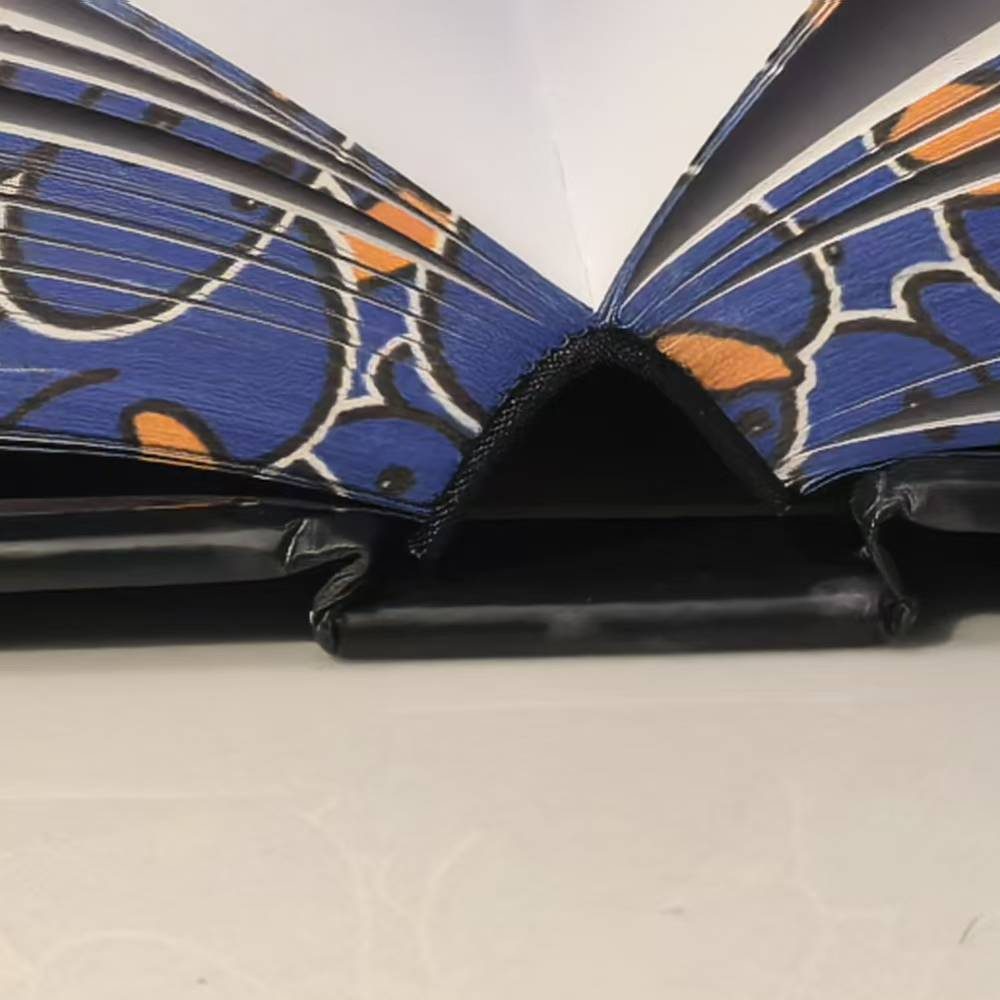
Case Bound
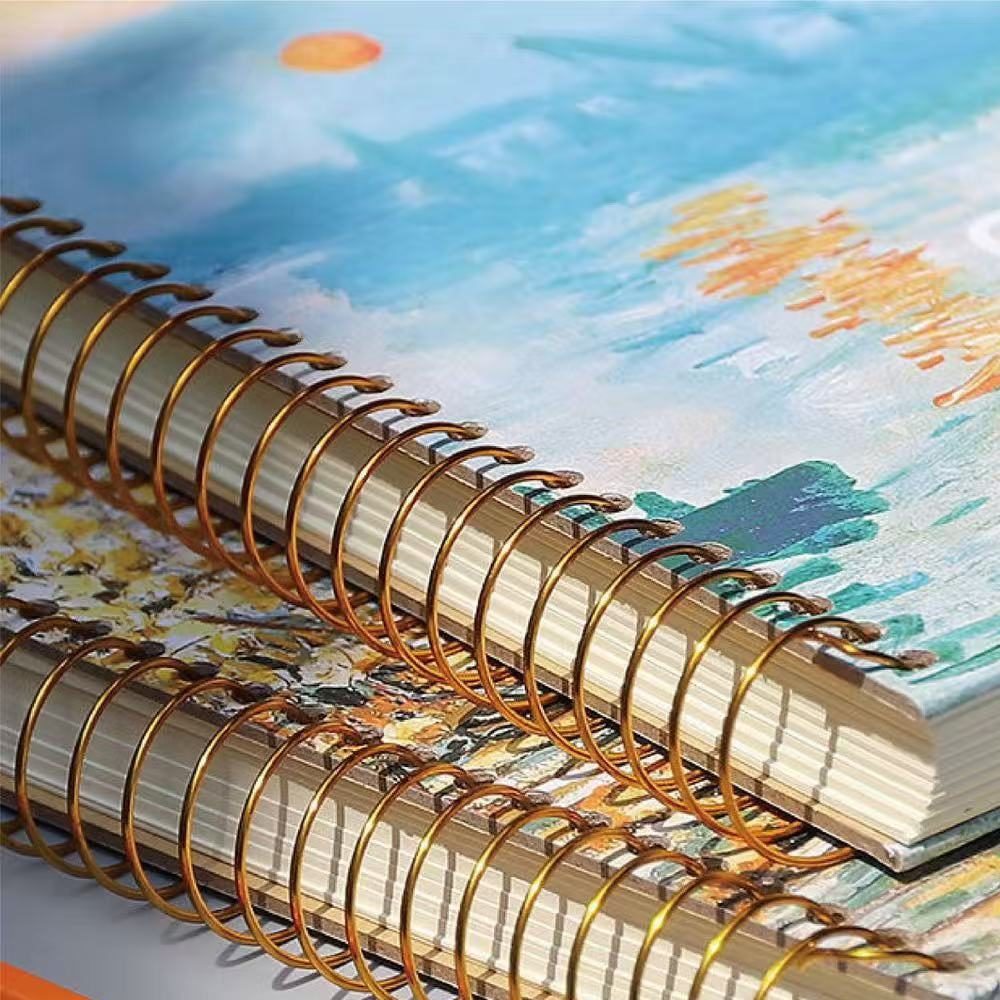
Spiral/Wire-O binding
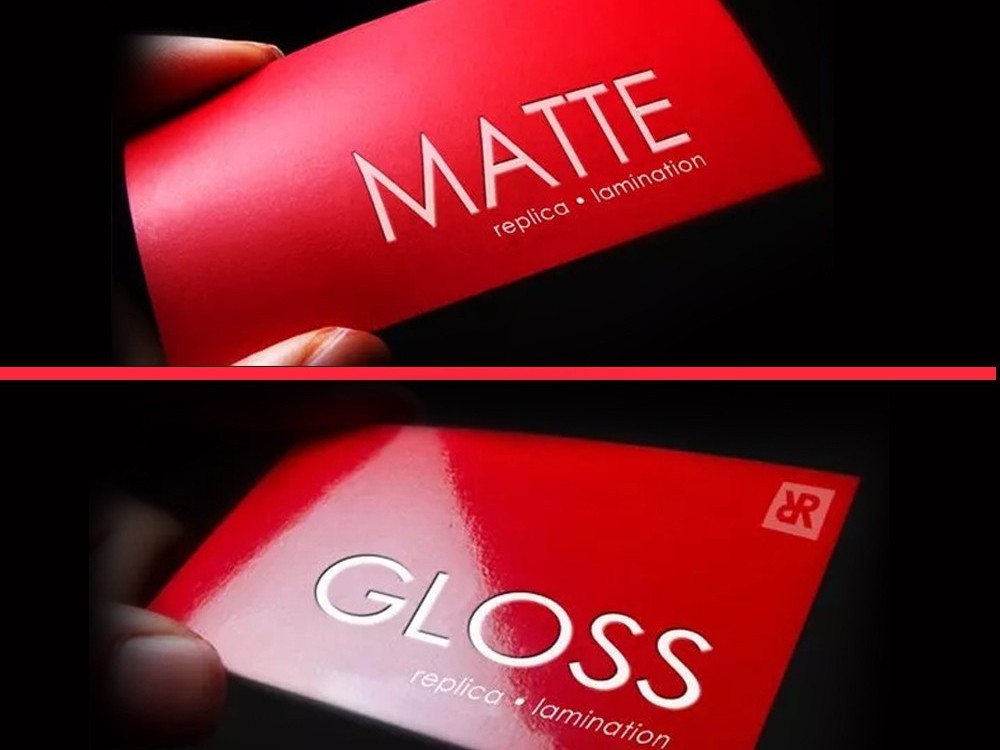
Gloss/Matt Laminate
Gloss laminate adds a shiny finish, enhancing color vibrancy, while matte laminate offers a sleek, non-reflective look for a more refined finish.
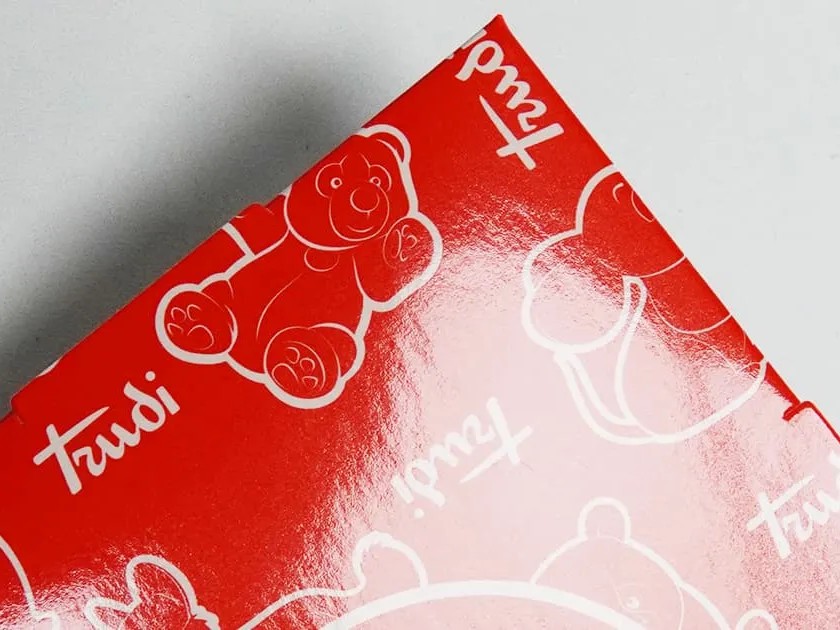
Varnishing
Varnishing adds a protective coating, enhancing durability and providing either a glossy or matte finish to make designs more vibrant and long-lasting.
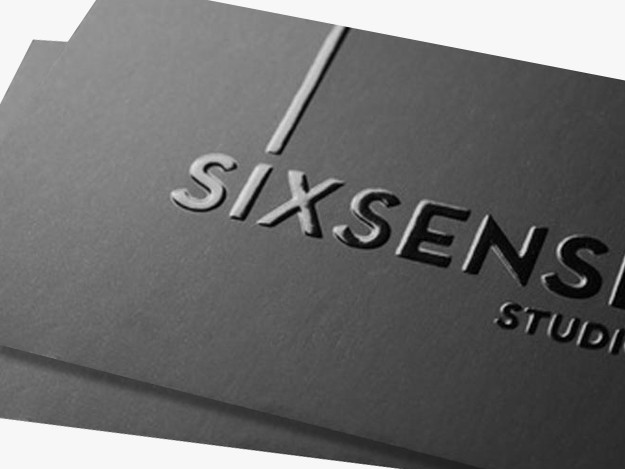
Spot UV
Spot UV applies a glossy coating to specific areas of a print, creating a contrast between shiny and matte surfaces, highlighting key design elements.
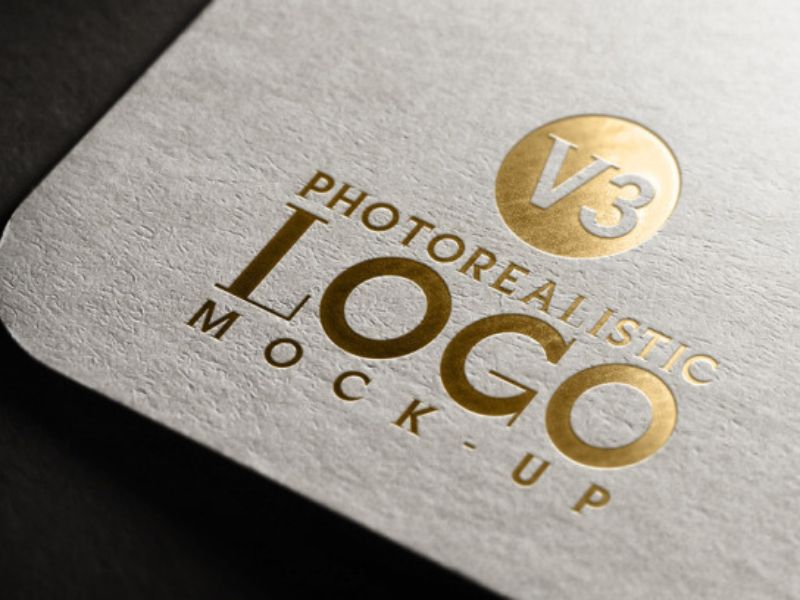
Foil Stamping
Foil stamping uses heat to apply metallic or colored foil to specific areas, adding a luxurious, shiny effect to logos and text.
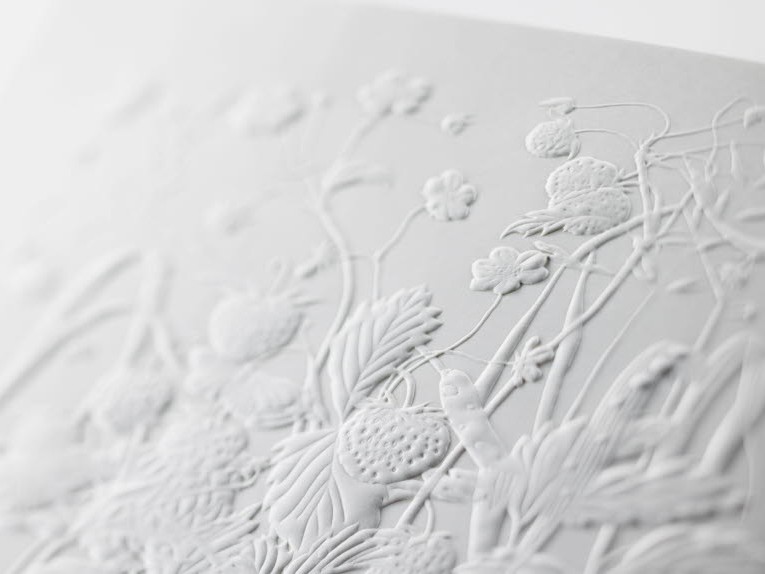
Embossing
Embossing creates a raised, 3D effect, adding texture and depth, perfect for high-quality designs like invitations or business cards.
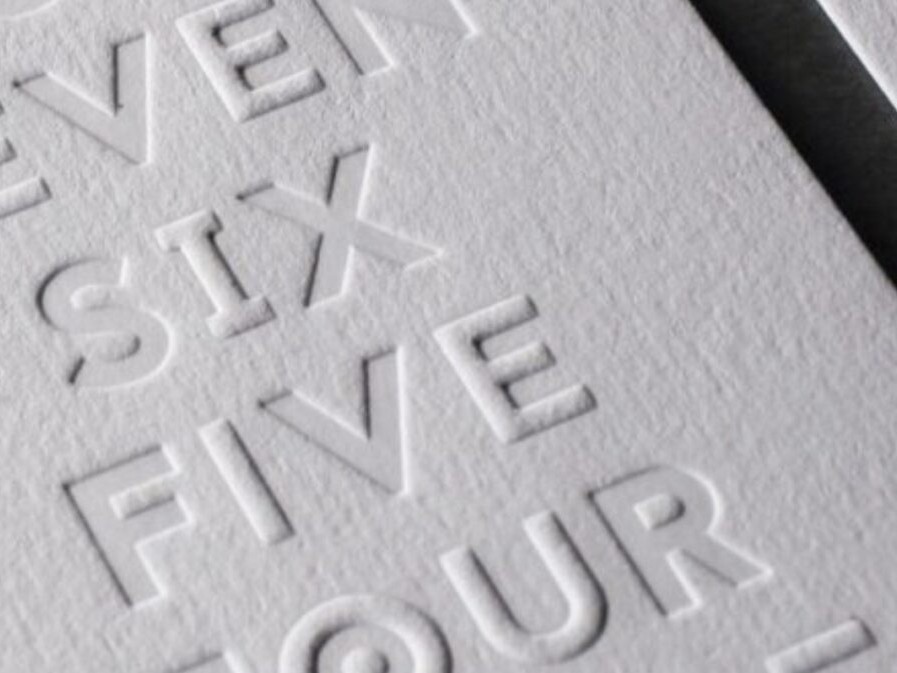
Debossing
Debossing presses a design into the material, creating a recessed effect that adds a subtle, elegant detail to printed items.
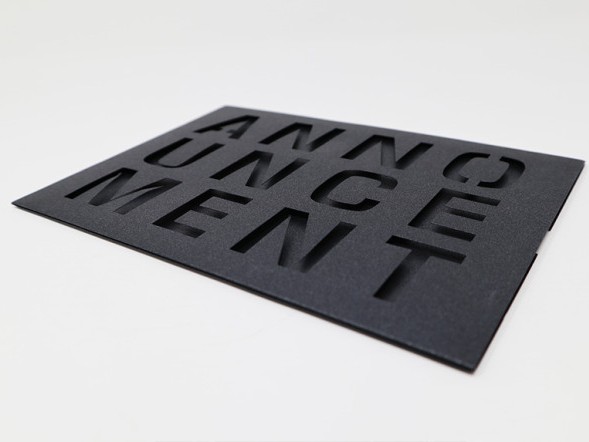
Die Cutting
Die cutting shapes materials into custom patterns or unique designs, perfect for creative packaging or custom-shaped prints.
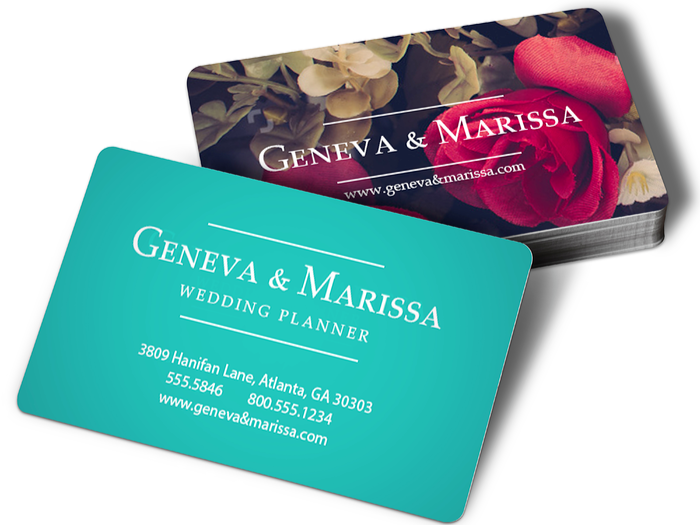
Round Corner
Round cornering softens sharp edges, giving printed materials a modern, polished look, commonly used for business cards or brochures.
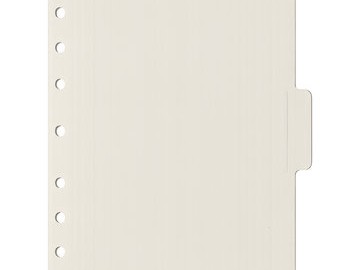
Punch
Punching creates holes or cutouts in prints, ideal for creating ring-bound books, tickets, or custom tags.
How Our One-Stop Solution Works
From your first idea to finished books and packaging, PrintPack360 helps manage the full production workflow in one place.
Requirements
Share your book type, size, quantity, artwork, packaging needs, and target market.
Design Review
We check artwork, bleed, margins, color mode, spine width, and packaging dielines.
Solution Plan
We recommend paper, binding, finishing, packaging structure, safety, and eco options.
Sample Proofing
Digital or physical samples help confirm color, materials, structure, and details.
Book Printing
We produce custom books with printing, binding, finishing, and production control.
Packaging
We make slipcases, rigid boxes, mailer boxes, inserts, sleeves, and paper bags.
Quality Check
We inspect color, binding, finishing, packaging, quantity, and final presentation.
Delivery
Finished products are packed for sea, air, express, warehouse, or e-commerce delivery.