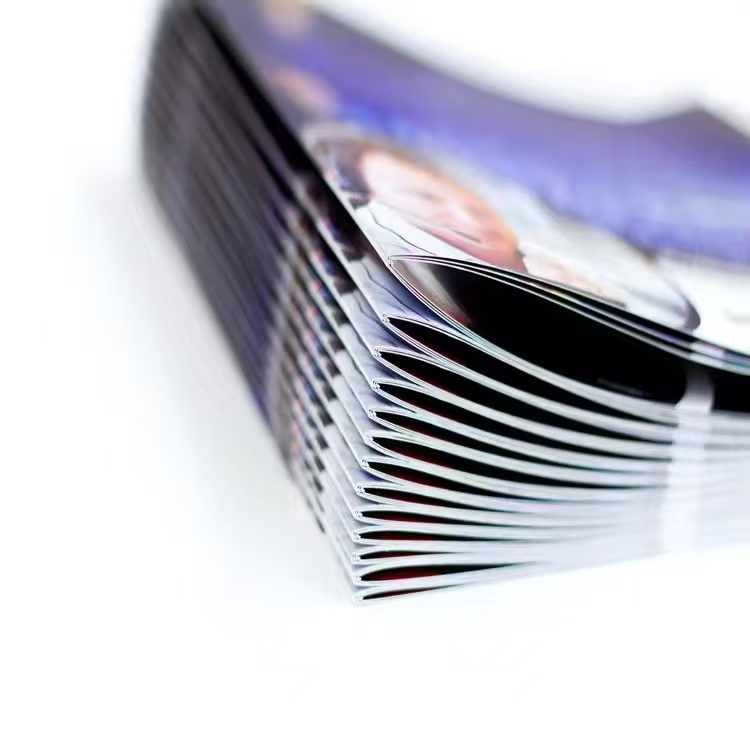
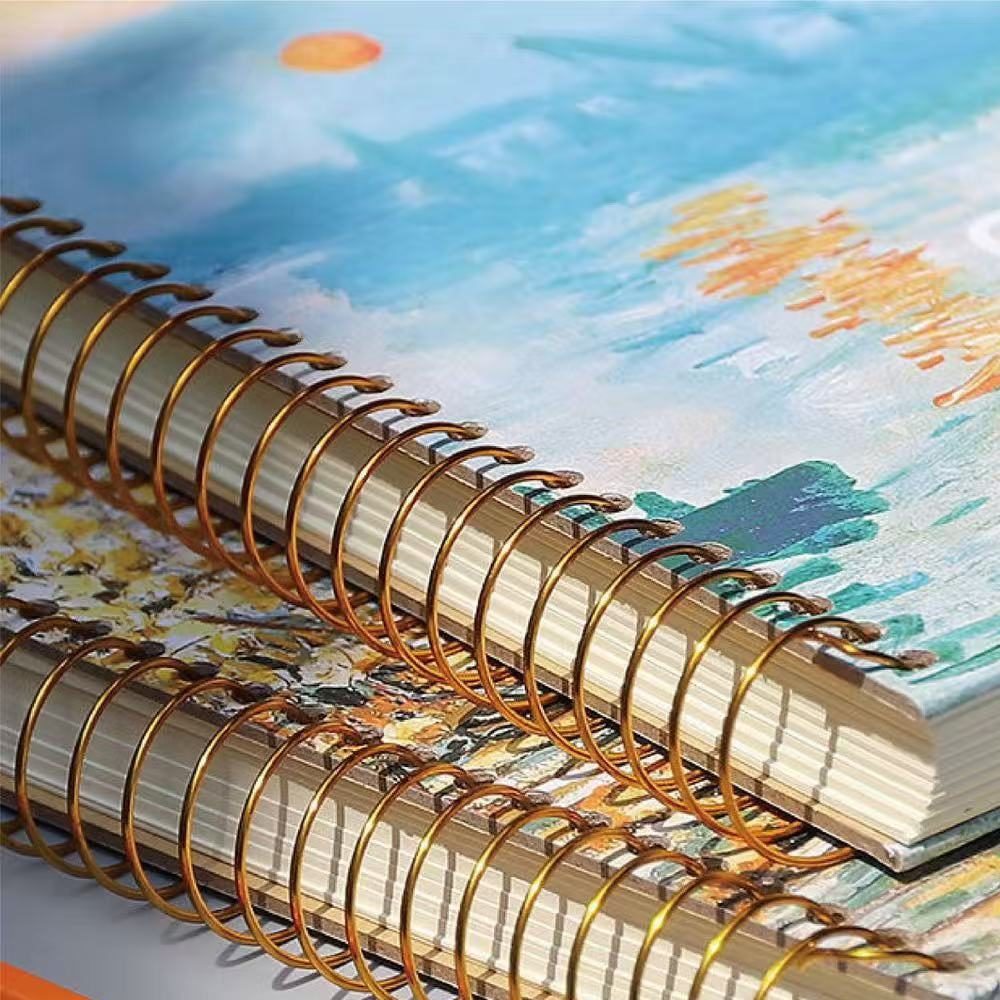
Saddle stitching, loop stitching, scored cover folding, and lightweight booklet binding for low to medium page counts
Printing Options
Offset printing, digital printing, CMYK printing, Pantone matching, high-resolution food photography reproduction, and G7-style color control options
Finishing Options
Matte lamination, gloss lamination, aqueous coating, spot UV, foil stamping, round corners, hole punching, and menu insert options
Proofing
Prepress file check, digital proof, hard proof, color proof, first-article check, and retained production sample support
File Requirements
Print-ready PDF, CMYK color mode, embedded fonts, 300 DPI images, 3 mm bleed, correct page order, and creep allowance for thicker booklets
Export Packaging
Shrink wrapping, moisture-resistant wrapping, double-wall cartons, corner protection, palletizing, and international shipping support
Custom Saddle Stitched Recipe Book and Menu Printing
PrintPack360 provides custom saddle stitched recipe book printing for restaurants, food brands, publishers, hospitality groups, and culinary projects that need practical, lightweight, and cost-effective printed booklets. This format is suitable for recipe booklets, restaurant menus, tasting menus, seasonal menu books, cookbooklets, promotional recipe catalogs, and food campaign handouts.
Saddle stitching is useful when a recipe book or menu booklet needs to open flat, stay lightweight, and remain easy to distribute. Buyers can specify coated paper, CMYK or Pantone color control, food photography reproduction, matte or gloss lamination, scored covers, round corners, hard proofing, and export-ready packaging.
Saddle stitched recipe books and menus are selected when buyers need a printed piece that is easy to browse, affordable to produce, and practical for hospitality, retail, or promotional use.
Restaurant menus: Suitable for seasonal menus, tasting menus, wine lists, dessert menus, cafe menus, and limited-time food promotions.
Recipe booklets: Useful for food brands, ingredient brands, supermarkets, and kitchenware companies creating branded recipe content.
Culinary education: Works for cooking schools, workshops, training booklets, class handouts, and chef demonstration materials.
Hospitality marketing: Helps hotels, catering teams, resorts, and event venues present food programs and dining packages.
Retail and promotional campaigns: Suitable for gift packs, subscription boxes, food festivals, trade shows, and sampling campaigns.
Problems We Help You Avoid
Recipe and menu booklets can look cheap or fail quickly when paper, binding, coating, and file setup are not matched to real use. Food images also expose color and paper problems quickly.
Food photos looking dull because paper or color setup was not suitable
Ink cracking near the fold on heavy coverage covers
Page creep causing inner pages to shift after trimming
Weak staples or poor fold alignment in frequently handled menus
Grease, moisture, or handling marks damaging unprotected covers
Incorrect page order, bleed, menu pricing, QR codes, or allergen icons before printing
Recommended Materials for Recipe and Menu Booklets
Component
Common Options
Best Use
Inner Pages
128gsm coated paper, 157gsm coated paper, matte art paper, gloss art paper
FSC paper, recycled paper options, soy-based ink options
Food brands, retailers, and hospitality buyers with environmental procurement requirements
Binding, Printing, and Custom Options
The best recipe booklet specification depends on page count, food image coverage, handling frequency, and whether the piece is used as a menu, recipe handout, or retail insert. For saddle stitched booklets, page count should be planned carefully because inner pages shift slightly after folding and trimming.
Saddle stitching: A practical option for lightweight recipe books, menu booklets, event handouts, and promotional food guides.
Loop stitching: Useful when menus or booklets need to be stored in binders or display folders.
Scored covers: Help reduce cracking near the spine fold when heavier cover stock or heavy ink coverage is used.
Offset printing: Suitable for larger wholesale runs and consistent food photography reproduction.
Digital printing: Practical for smaller runs, seasonal updates, or test versions before larger production.
Pantone matching: Helps maintain restaurant, hotel, or food brand colors across repeated menu and recipe projects.
Round corners: Can improve handling and give menu booklets a cleaner hospitality finish.
Spot UV or foil stamping: Adds premium cover detail for restaurant launches, gift sets, and branded campaigns.
Color, Sustainability, and Compliance Considerations
For custom menu and recipe booklet printing, buyers should define food photography expectations, paper finish, cover protection, sustainability requirements, and handling conditions before proofing.
Food photography color: CMYK workflow, Pantone references, hard proofing, and G7-style calibration can help reduce dull reds, yellows, and warm food tones.
Kitchen handling: Laminated or coated covers can help reduce damage from brief contact with moisture, grease, and frequent handling.
Responsible sourcing: FSC paper options can support documented responsible paper sourcing.
Ink and material choices: Soy-based ink options and recycled paper options can be discussed based on brand and retailer requirements.
Page planning: Saddle stitched booklets should use page counts in multiples of four, and thicker booklets may require creep adjustment.
For external reference, buyers can review the official Forest Stewardship Council information for FSC paper sourcing, G7 print calibration guidance for color consistency, and ISO 9001 information when supplier quality systems are part of procurement review.
Proofing and Quality Control
Proofing is important for custom saddle stitched recipe book printing because food images, fold alignment, page order, and menu information must be correct before mass production. PrintPack360 can support prepress review, proofing, production inspection, and retained samples for repeat orders.
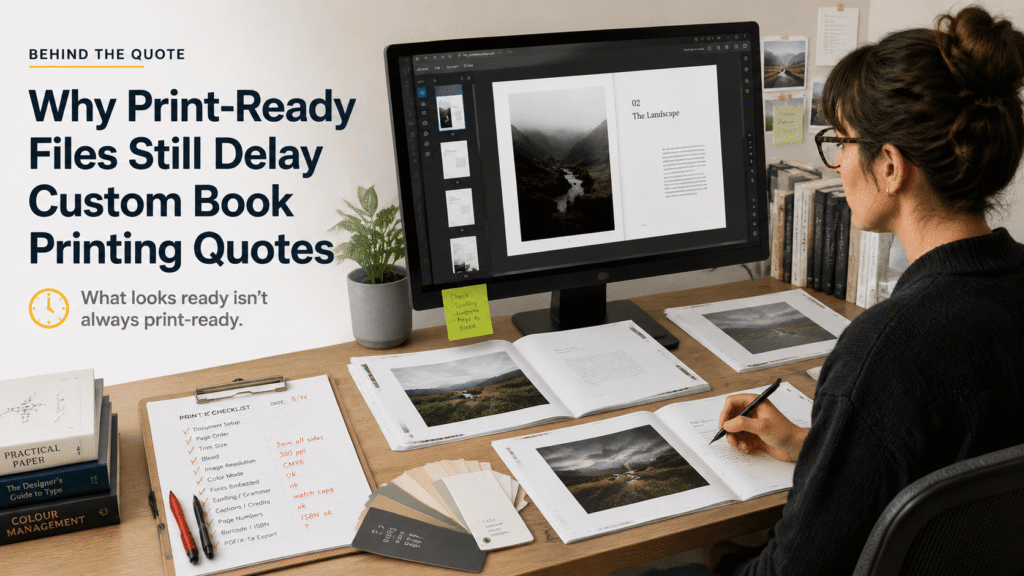
Prepress file check: Review image resolution, bleed, color mode, font embedding, page order, QR codes, menu pricing, allergen icons, and creep allowance.
Digital proof: Confirms layout, page sequence, text placement, menu sections, and basic artwork setup.
Hard proof: Helps evaluate paper, food photography, cover finish, fold position, and staple placement before mass production.
First article check: Reviews early production samples for color, trimming, folding, stapling, page order, and cover surface quality.
Production inspection: Can include color consistency, staple strength, fold alignment, trimming, page order, surface finish, carton condition, and export packing method.
To reduce delays, please prepare print-ready files before quotation or sampling. Saddle stitched booklets need careful page order and bleed setup because pages are folded and nested before stapling.
Print-ready PDF is preferred for production review.
Page count should be in multiples of four.
Images should be 300 DPI at final print size.
Use CMYK color mode unless Pantone spot colors are specified.
Embed all fonts or convert text to outlines where appropriate.
Add at least 3 mm bleed on all sides.
Keep important text, prices, QR codes, page numbers, allergen notes, and menu icons away from trim and fold areas.
Mark spot UV, foil stamping, round corners, hole punching, or lamination areas in separate layers.
Export Packaging and Shipping Support
Recipe and menu booklets are often shipped internationally for restaurant launches, retail promotions, hotel programs, and food brand campaigns. Export packaging should protect covers, corners, laminated surfaces, and cartons during long-distance handling.
Shrink wrapping to reduce surface rubbing and moisture exposure
Moisture-resistant wrapping or desiccant options for humid storage conditions
Double-wall corrugated cartons for stronger compression resistance
Corner guards and pallet edge protection for bulk shipments
Strapping and stretch wrapping for pallet stability
Shipping marks for restaurants, distributors, retailers, hotels, and event teams
Information Needed for Quotation
For an accurate quote, please provide the key production details before pricing. This helps avoid incorrect estimates, repeated revisions, and delays before proofing.
Booklet size and orientation
Page count and paper preference
Order quantity
Cover paper, lamination, coating, or finishing requirements
Printing colors, Pantone references, and proofing requirements
Food photography color expectations
Round corners, loop stitching, hole punching, or insert requirements
Packaging method and destination country
Restaurant launch, event, promotion, or delivery deadline
Print-ready files or draft artwork for review
When your specifications are ready, send them through our Request a Quote page. For general ordering questions, review our FAQ.
FAQ
What is custom saddle stitched recipe book printing?
Custom saddle stitched recipe book printing is the production of folded and stapled recipe booklets, restaurant menus, cookbooklets, tasting menus, and food promotional booklets.
What is the MOQ for custom saddle stitched recipe books and menus?
The MOQ starts from 50+ units, which is suitable for restaurant menus, small recipe booklet runs, seasonal promotions, hospitality projects, and food brand campaigns.
When is saddle stitching suitable for recipe books?
Saddle stitching is suitable for low to medium page counts, lightweight recipe booklets, menus, and promotional food guides. It opens relatively flat and is cost-effective for compact printed pieces.
What page count works best for saddle stitched booklets?
Saddle stitched booklets should use page counts in multiples of four. For thicker booklets, paper weight and page creep should be checked before production to keep trimming clean.
Which paper is best for restaurant menus?
Coated paper with matte or gloss lamination is often used for restaurant menus because it supports vivid food images and better handling resistance. Woodfree or uncoated paper can be used for a more natural style.
Can I request a physical proof before mass production?
Yes. Digital proof, hard proof, color proof, and retained production sample options can be arranged depending on the project stage and quality requirements.
What files do I need to provide?
Please provide print-ready PDF files with 300 DPI images, CMYK color mode, embedded fonts, 3 mm bleed, correct page order, and finishing marks for lamination, spot UV, foil stamping, round corners, or hole punching.
How are recipe booklets and menus packed for export shipping?
Booklets can be shrink-wrapped, packed in double-wall cartons, protected with corner guards, and palletized for international shipping. Moisture-resistant wrapping or desiccant options can be added for humid routes.
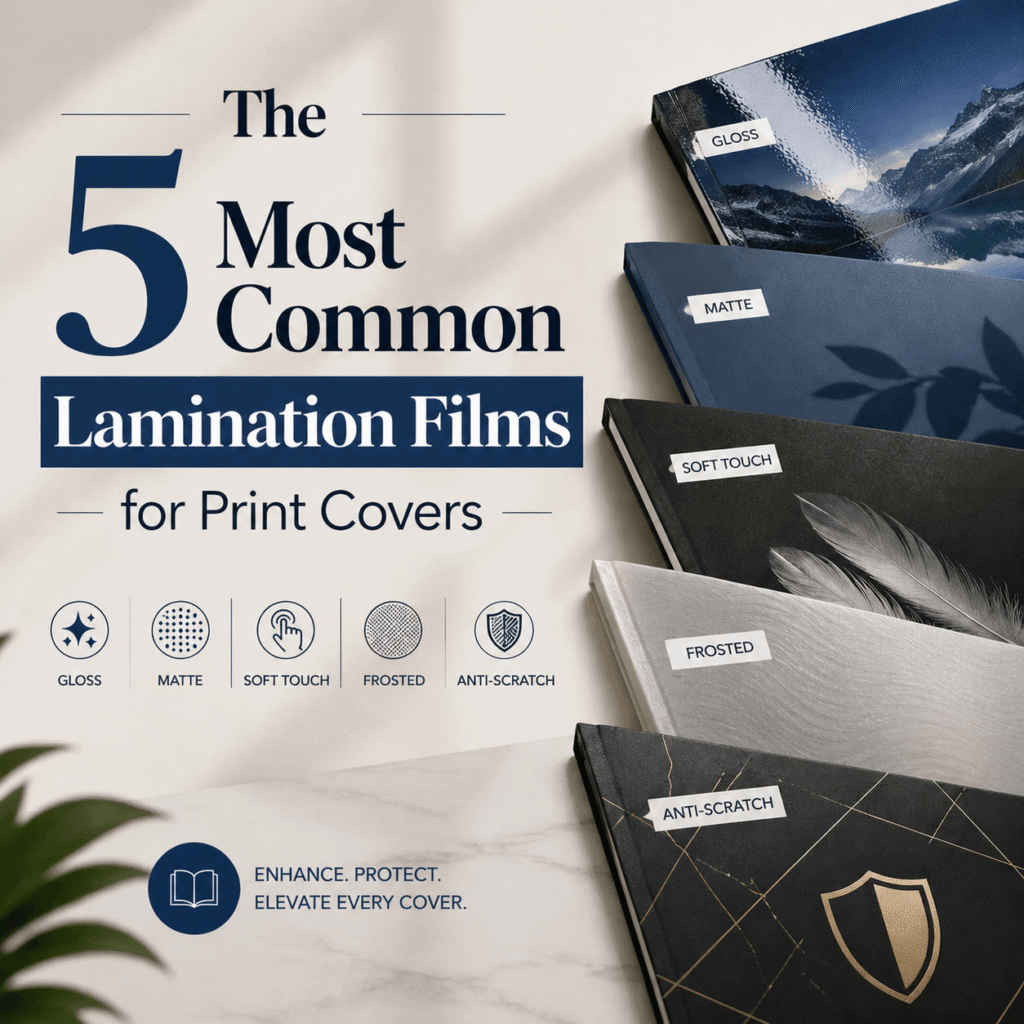
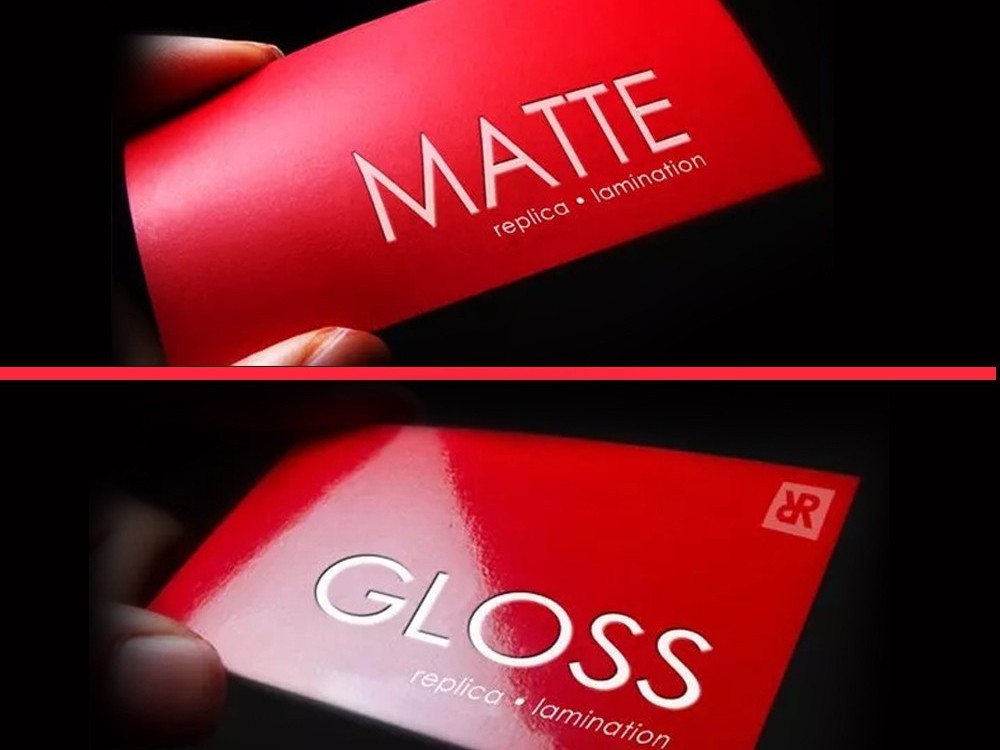
Gloss laminate adds a shiny finish, enhancing color vibrancy, while matte laminate offers a sleek, non-reflective look for a more refined finish.
Varnishing
Varnishing adds a protective coating, enhancing durability and providing either a glossy or matte finish to make designs more vibrant and long-lasting.
Spot UV
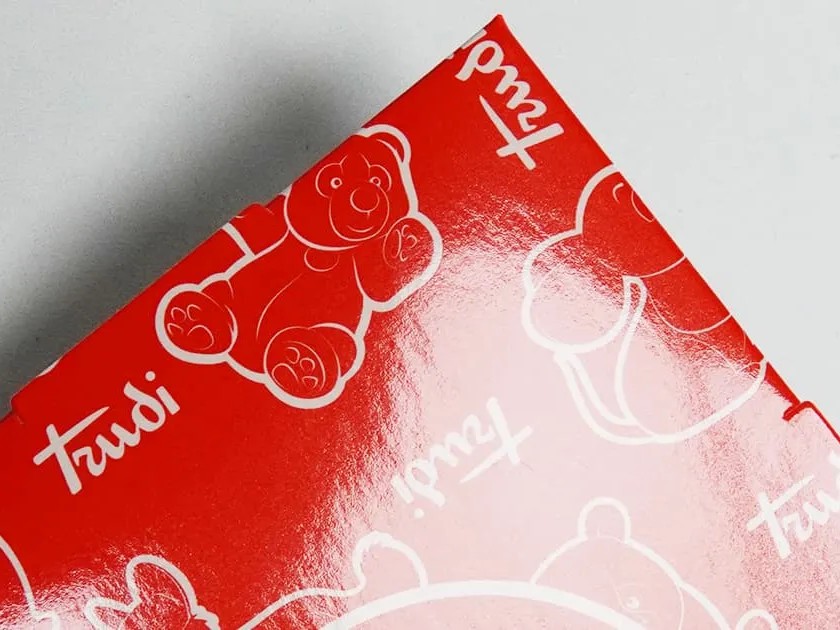
Spot UV applies a glossy coating to specific areas of a print, creating a contrast between shiny and matte surfaces, highlighting key design elements.
Foil Stamping
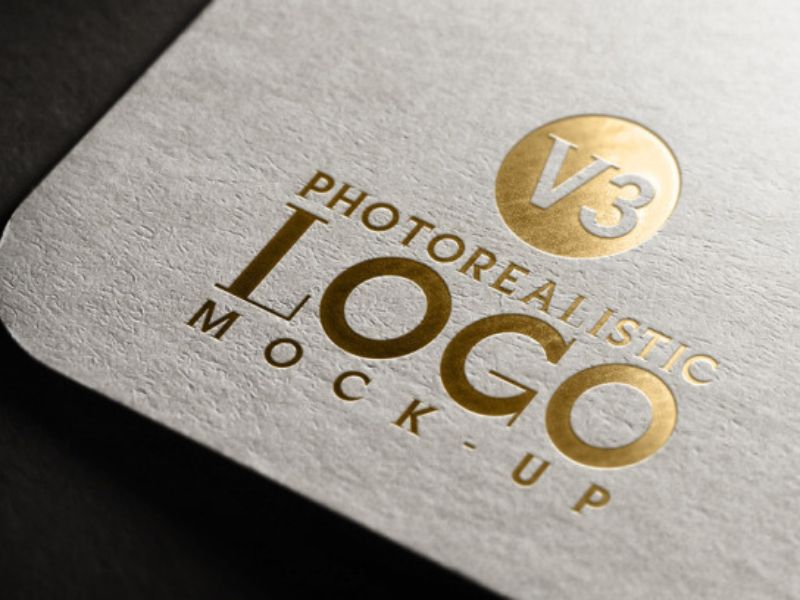
Foil stamping uses heat to apply metallic or colored foil to specific areas, adding a luxurious, shiny effect to logos and text.
Embossing
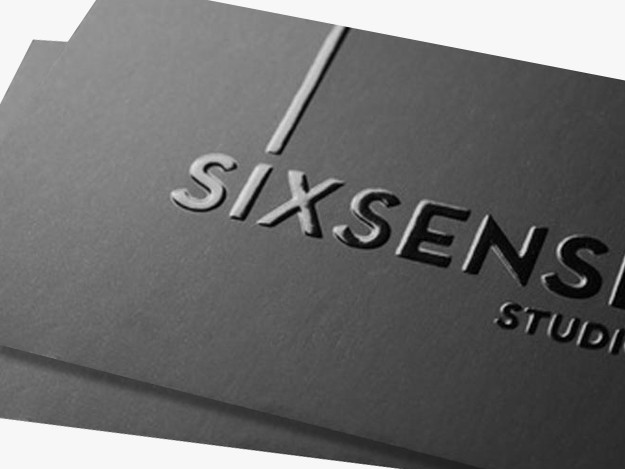
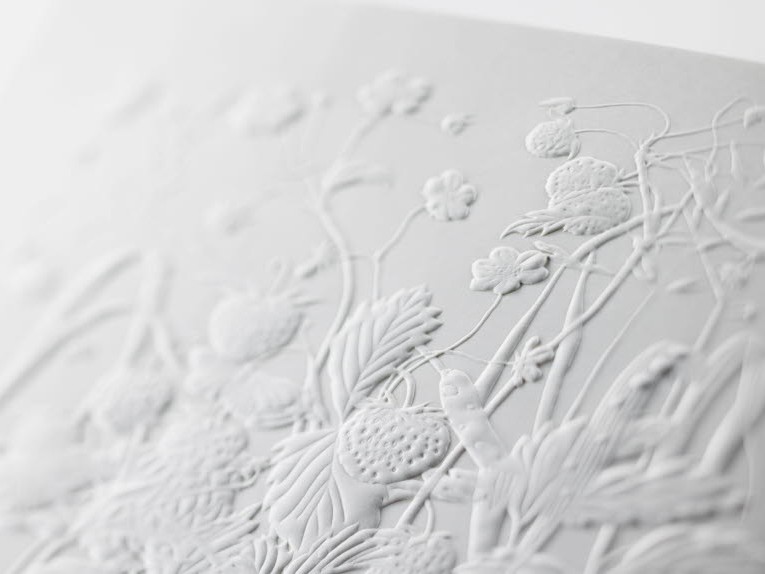
Embossing creates a raised, 3D effect, adding texture and depth, perfect for high-quality designs like invitations or business cards.
Debossing
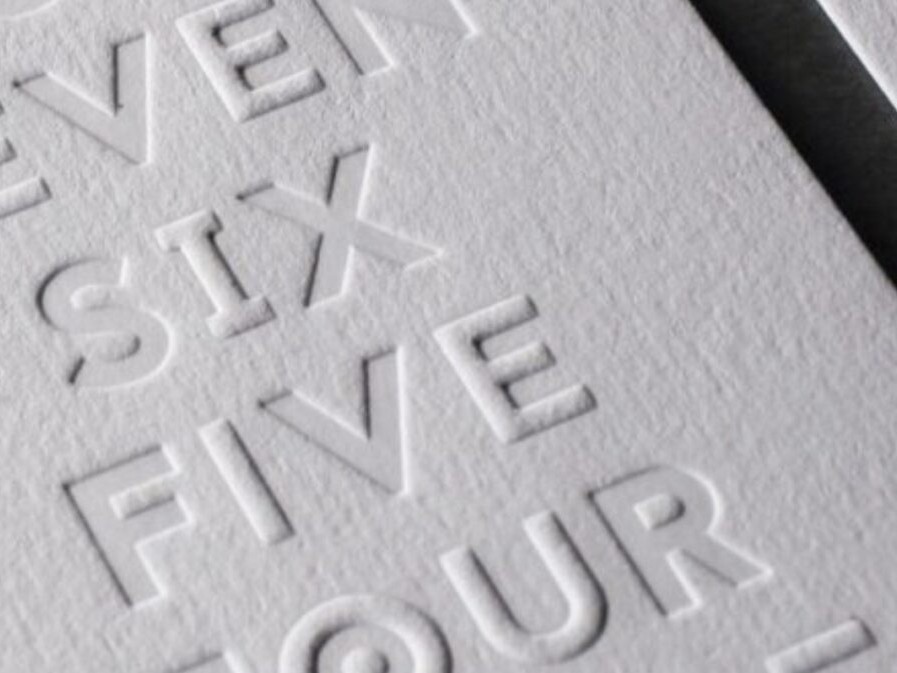
Debossing presses a design into the material, creating a recessed effect that adds a subtle, elegant detail to printed items.
Die Cutting
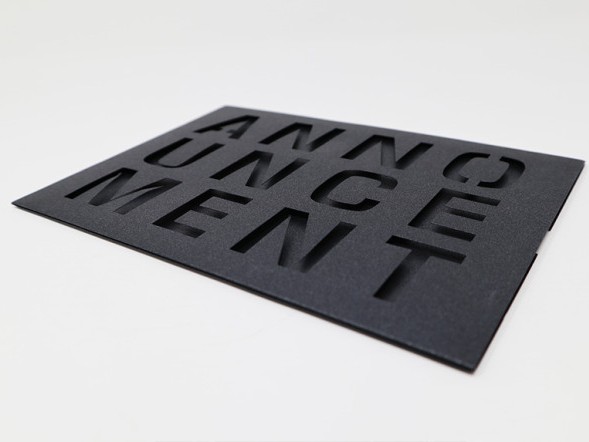
Die cutting shapes materials into custom patterns or unique designs, perfect for creative packaging or custom-shaped prints.
Round Corner
Round cornering softens sharp edges, giving printed materials a modern, polished look, commonly used for business cards or brochures.
Punch
Punching creates holes or cutouts in prints, ideal for creating ring-bound books, tickets, or custom tags.
How Our One-Stop Solution Works
From your first idea to finished books and packaging, PrintPack360 helps manage the full production workflow in one place.
01
Requirements
Share your book type, size, quantity, artwork, packaging needs, and target market.
02
Design Review
We check artwork, bleed, margins, color mode, spine width, and packaging dielines.
03
Solution Plan
We recommend paper, binding, finishing, packaging structure, safety, and eco options.
04
Sample Proofing
Digital or physical samples help confirm color, materials, structure, and details.
05
Book Printing
We produce custom books with printing, binding, finishing, and production control.
06
Packaging
We make slipcases, rigid boxes, mailer boxes, inserts, sleeves, and paper bags.
07
Quality Check
We inspect color, binding, finishing, packaging, quantity, and final presentation.
08
Delivery
Finished products are packed for sea, air, express, warehouse, or e-commerce delivery.