Children’s educational flash cards printing for publishers, schools, toy brands, early learning centers, language programs, Montessori materials, and educational product developers.
Children’s educational flash cards printing is designed for learning products that must be clear, durable, easy to handle, and suitable for repeated classroom or home use. Flash cards are commonly used for alphabet recognition, phonics, numbers, colors, shapes, animals, vocabulary, math, memory games, STEM learning, and Montessori-style teaching materials.
Unlike ordinary cards, children’s learning cards need stronger attention to cardstock thickness, corner rounding, edge smoothness, lamination choice, packaging method, and testing scope. PrintPack360 coordinates file checking, material sourcing, CMYK printing, card cutting, corner rounding, lamination, packaging, inspection, and export packing for international B2B orders.
Educational flash cards are suitable when learning content needs to be modular, visual, and easy for children, parents, and teachers to use. The final card size, paper thickness, and packaging should match the age group, classroom environment, and retail sales channel.
Early learning cards: suitable for alphabet, phonics, numbers, colors, shapes, animals, and first words.
Language learning: useful for bilingual vocabulary cards, ESL teaching, phonics sets, sight words, and pronunciation prompts.
STEM and math sets: suitable for counting, addition, subtraction, patterns, logic games, and classroom activities.
Montessori and preschool materials: useful for matching games, cognitive learning, memory cards, and sensory-friendly card sets.
Educational toy brands: suitable for retail card sets packed in tuck boxes, rigid boxes, magnetic boxes, or plastic storage boxes.
Problems We Help You Avoid
Sharp corners or rough edges: children’s flash cards should use rounded corners and smooth cutting.
Cards bending too easily: 300-400gsm cardstock and suitable lamination help improve durability.
Content readability issues: text, icons, and illustrations should be sized for children and teaching use.
Unsafe material assumptions: child-focused safety requirements should be confirmed by target market and testing scope before production.
Packaging mismatch: card count, card thickness, and retail storage method should be matched before box design.
File setup errors: bleed, corner radius, cut line, card order, front/back matching, and package dieline must be checked carefully.
Recommended Materials for Kids Learning Cards
Component
Recommended Options
Best Use
Cards
300gsm, 350gsm, or 400gsm card stock
Durable children’s flash cards, classroom sets, and retail learning cards
Surface
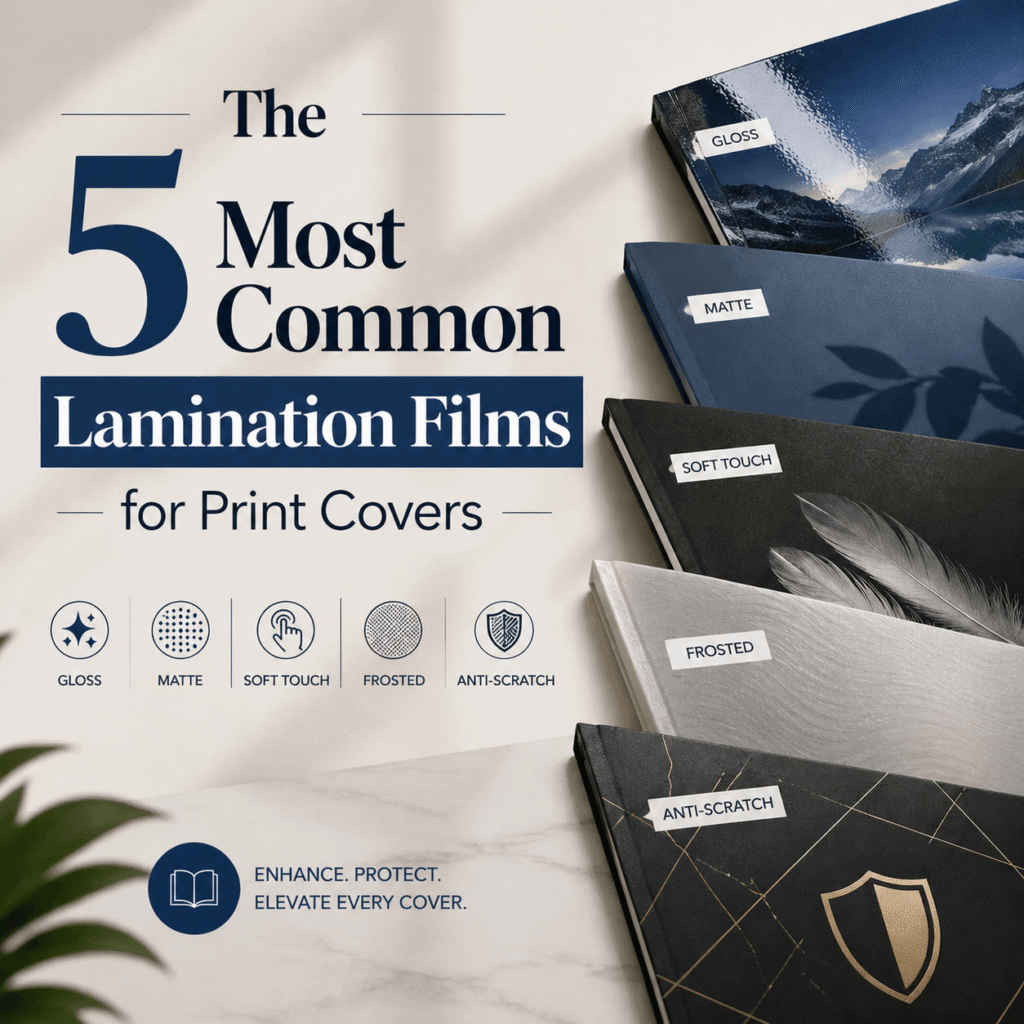
Gloss lamination, matte lamination, soft-touch lamination, anti-scratch lamination, or waterproof material options
Frequent handling, wipeability, scratch resistance, and stronger retail feel
Shape
Standard rectangle, rounded corners, custom die-cut shapes, or themed card shapes
Safety, child-friendly handling, brand differentiation, and learning interaction
Packaging
Tuck box, magnetic gift box, rigid two-piece box, plastic box, shrink wrap, or banding
Retail display, classroom storage, gift sets, and export protection
For sustainability-sensitive orders, FSC-certified paper, recycled paper, soy-based ink, and plastic-reduction packaging options should be confirmed before quotation. You can review PrintPack360’s environmental certification information and compare it with your buyer requirements. For general reference, the Forest Stewardship Council explains FSC certification and responsible forestry sourcing.
Printing, Finishing & Packaging Options
Flash card production should be planned as a complete learning product, not only as printed cards. Card thickness, corner radius, lamination, packaging, card order, and safety documentation all affect the final buyer experience.
Printing: full-color CMYK printing, single-sided or double-sided card printing.
Card size: common sizes include 70 × 100mm, 85 × 125mm, 90 × 140mm, or custom sizes.
Corner treatment: rounded corners are recommended for children’s card sets.
Finishing: gloss lamination, matte lamination, soft-touch lamination, anti-scratch lamination, waterproof materials, and tear-resistant material options can be discussed.
Packaging: tuck boxes, magnetic gift boxes, rigid two-piece boxes, plastic boxes, shrink wrap, banding, and custom retail packaging can be selected by card count and sales channel.
Because children’s flash cards may be handled frequently by young users, the project should define safety expectations before quotation. Rounded corners, smooth edges, non-toxic ink options, child-focused coating choices, and requested test reports should be confirmed before sampling or bulk production.
For U.S. toy-market projects, buyers should review the CPSC toy safety business guidance. ASTM F963 is a key toy safety standard referenced in U.S. toy compliance discussions; product-specific applicability should be confirmed by the responsible seller/importer and testing lab. For standard details, buyers can reference ASTM F963.
Do not treat safety compliance as an automatic claim. The correct approach is to define the target market, age grading, material scope, packaging scope, testing standard, and documentation requirement before production.
Proofing & Quality Control
Children’s flash cards should be checked for both print quality and physical handling. A physical sample is recommended when card thickness, lamination feel, corner radius, box fit, card order, and safety documentation are important to buyer approval.
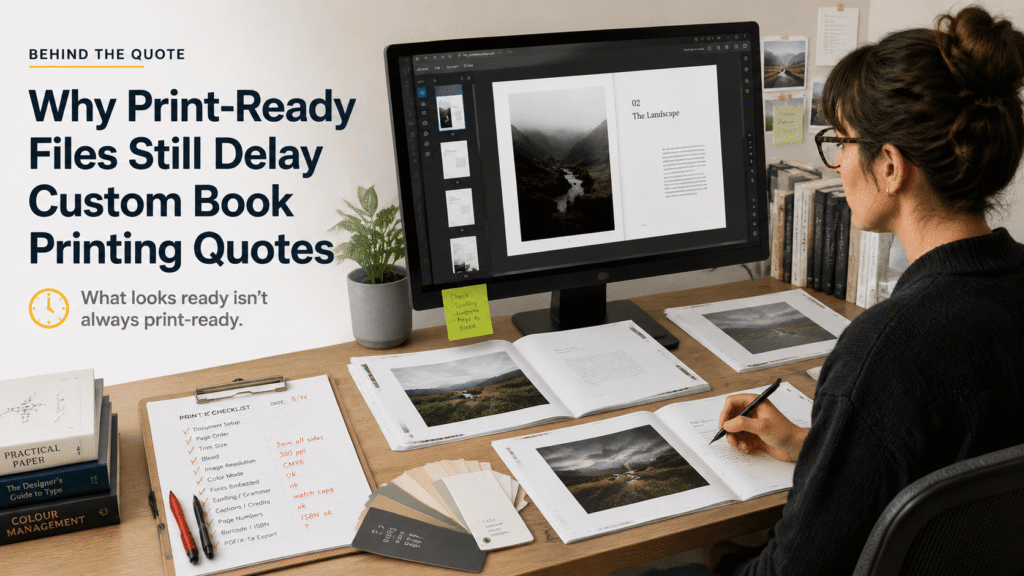
Prepress review: card size, bleed, cut line, corner radius, CMYK setup, image resolution, font embedding, card order, and front/back matching are checked before production.
Material confirmation: cardstock GSM, lamination, ink option, corner rounding, box material, and packaging method should be confirmed before sampling.
Sample review: color, card stiffness, edge smoothness, lamination, card count, box fit, and card sequence should be approved before bulk production.
Bulk inspection: printing, cutting, corner rounding, lamination, card sorting, packaging, carton packing, labeling, and quantity should be checked before shipment.
For new educational products, PrintPack360’s sample strategy can help decide whether a digital proof, card sample, box sample, or finished sample set is needed.
File Requirements for Flash Card Printing
Print-ready PDF files are recommended for accurate quotation and efficient production. Files should be prepared in CMYK color mode with 300 dpi images, embedded or outlined fonts, and 3mm bleed.
Final card size, card count, and corner radius should be confirmed before artwork export.
Each card should have clear front/back pairing and a stable file naming system.
Important text, icons, numbers, and illustrations should stay inside the safe area and away from the rounded corner cut.
Packaging files should include a correct dieline for tuck box, rigid box, plastic box label, or magnetic box when needed.
Spot UV, foil, embossing, debossing, die-cut, or special coating areas should be supplied as separate vector layers or clearly marked spot-color artwork.
Age labels, warning text, barcode, QR code, CE/UKCA/importer information, or market-specific marks should be supplied and confirmed by the buyer if required.
Export Packaging & Shipping Preparation
Educational flash cards need packing that protects both the cards and the retail box. Export-ready packing may include card sorting, shrink wrapping, banding, inner boxes, corrugated export cartons, carton labels, moisture protection, and palletization when needed.
If flash cards will be packed into retail sets, classroom kits, Amazon cartons, or distributor cartons, card count, box size, barcode placement, carton quantity, and label content should be confirmed before shipment. For production visibility, you can review PrintPack360’s process transparency page when discussing milestone updates.
Information Needed for Quotation
To quote children’s educational flash cards printing accurately, please prepare the following details:
Card type: alphabet cards, phonics cards, math cards, language cards, Montessori cards, game cards, memory cards, or custom learning cards
What is children’s educational flash cards printing?
Children’s educational flash cards printing produces custom learning card sets for alphabet, phonics, numbers, colors, shapes, animals, math, language learning, memory games, and classroom activities.
What cardstock is recommended for children’s flash cards?
300gsm, 350gsm, or 400gsm cardstock is commonly used. Thicker cardstock with suitable lamination helps improve durability for frequent handling by children, teachers, and parents.
Can flash cards have rounded corners?
Yes. Rounded corners are recommended for children’s educational flash cards because they improve handling comfort and reduce sharp-corner concerns.
Can the cards be printed double-sided?
Yes. Flash cards can be printed single-sided or double-sided. Double-sided printing is useful for question/answer cards, vocabulary translation, image/text pairing, and game mechanics.
Which lamination is best for kids learning cards?
Matte lamination reduces glare, gloss lamination makes colors brighter, soft-touch lamination gives a premium feel, and anti-scratch lamination improves surface durability. The best choice depends on age group, budget, and usage frequency.
Can you provide custom packaging for flash card sets?
Yes. Packaging options include tuck boxes, magnetic gift boxes, rigid two-piece boxes, plastic boxes, shrink wrap, and banding. The box should be designed after card count, cardstock thickness, and final card size are confirmed.
Can children’s flash cards be tested for safety requirements?
Testing scope can be discussed before production. The buyer should confirm the target market, age group, applicable standards, required test reports, and importer documentation before sampling or bulk production.
What files are needed for flash card printing?
Print-ready PDF files in CMYK at 300 dpi are recommended. Files should include 3mm bleed, safe margins, correct card order, front/back pairing, rounded-corner allowance, embedded or outlined fonts, and packaging dieline if a box is required.
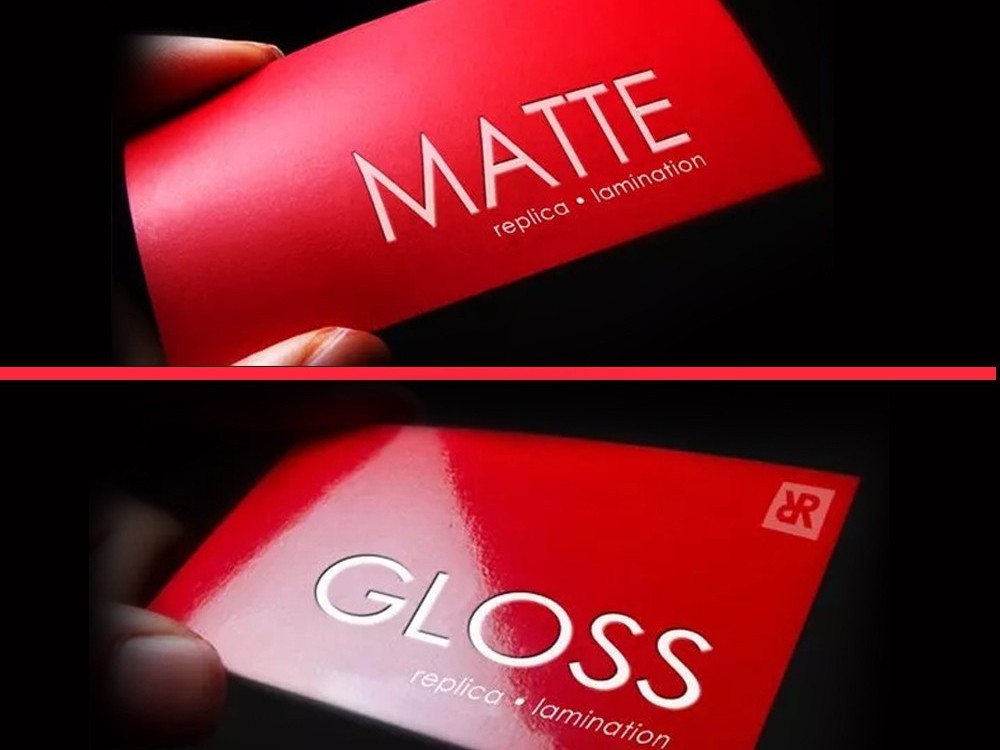
Gloss laminate adds a shiny finish, enhancing color vibrancy, while matte laminate offers a sleek, non-reflective look for a more refined finish.
Varnishing
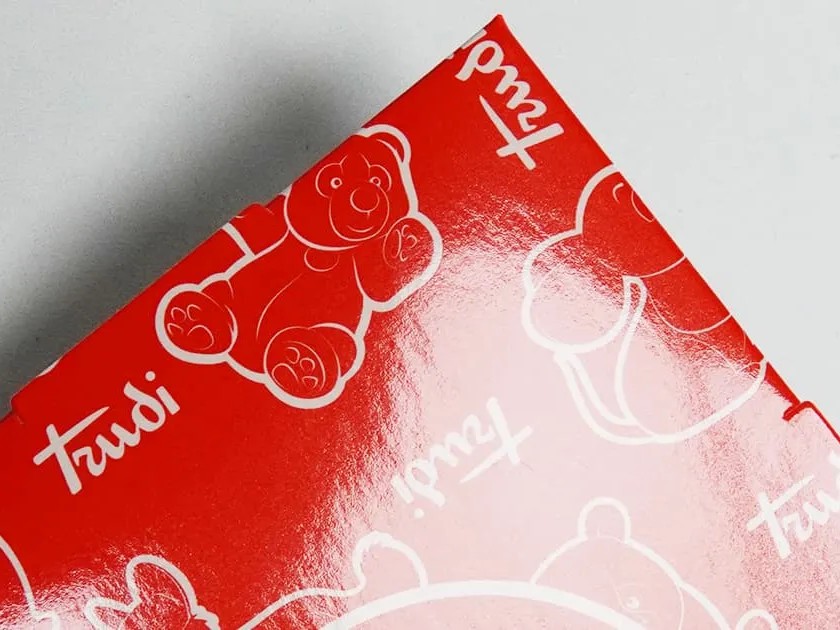
Varnishing adds a protective coating, enhancing durability and providing either a glossy or matte finish to make designs more vibrant and long-lasting.
Spot UV
Spot UV applies a glossy coating to specific areas of a print, creating a contrast between shiny and matte surfaces, highlighting key design elements.
Foil Stamping
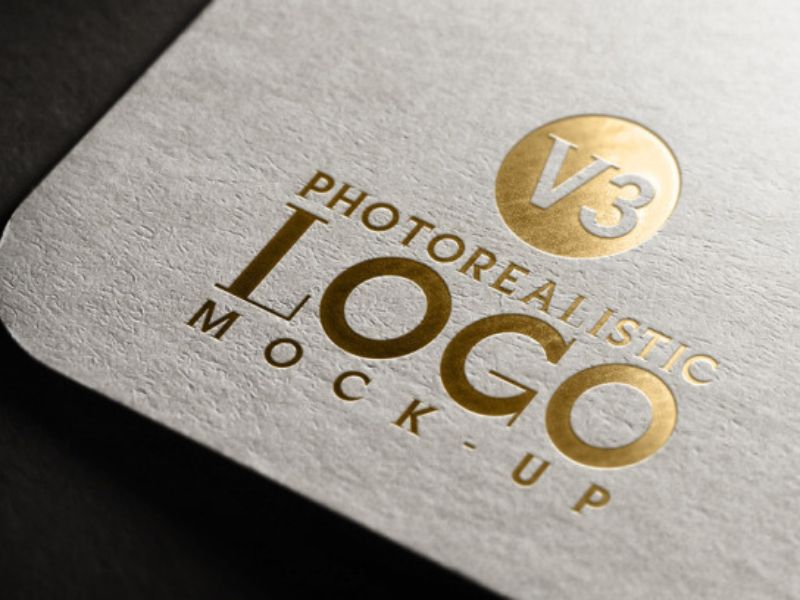
Foil stamping uses heat to apply metallic or colored foil to specific areas, adding a luxurious, shiny effect to logos and text.
Embossing
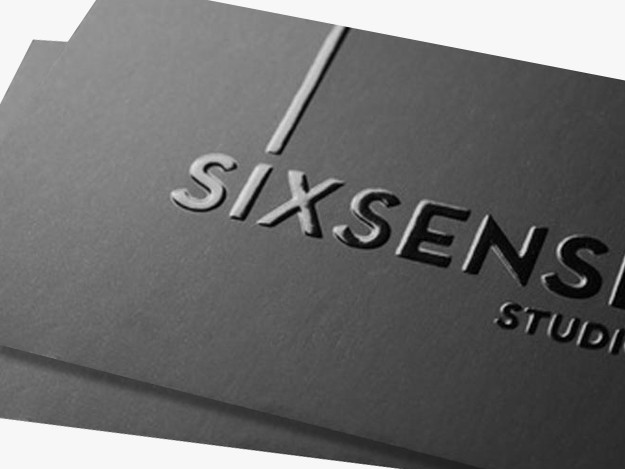
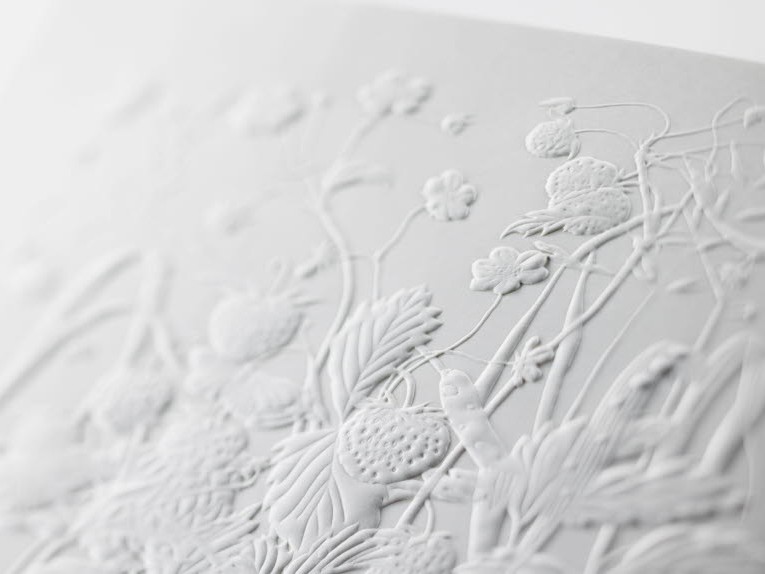
Embossing creates a raised, 3D effect, adding texture and depth, perfect for high-quality designs like invitations or business cards.
Debossing
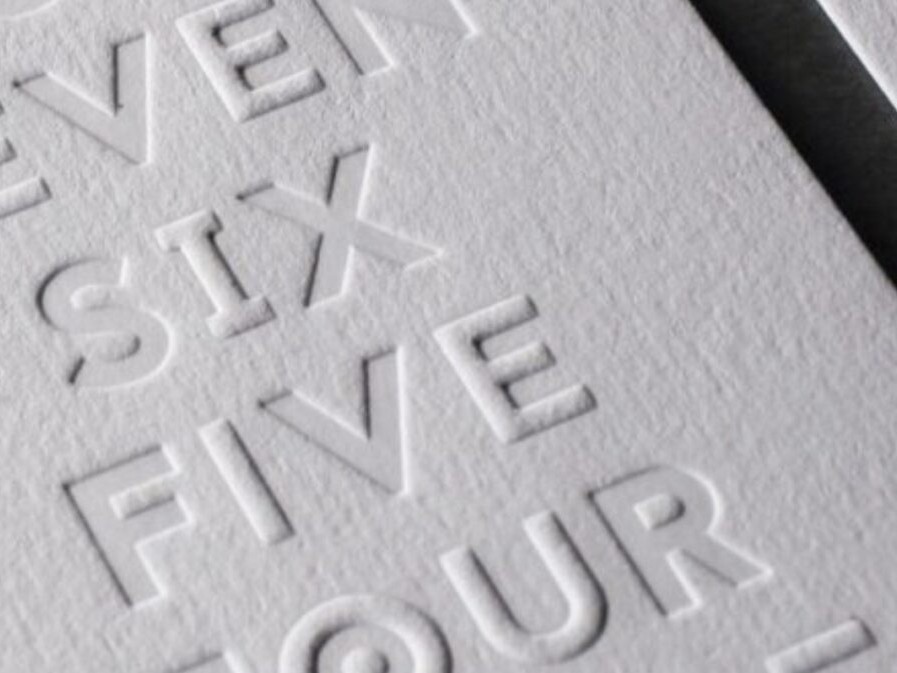
Debossing presses a design into the material, creating a recessed effect that adds a subtle, elegant detail to printed items.
Die Cutting
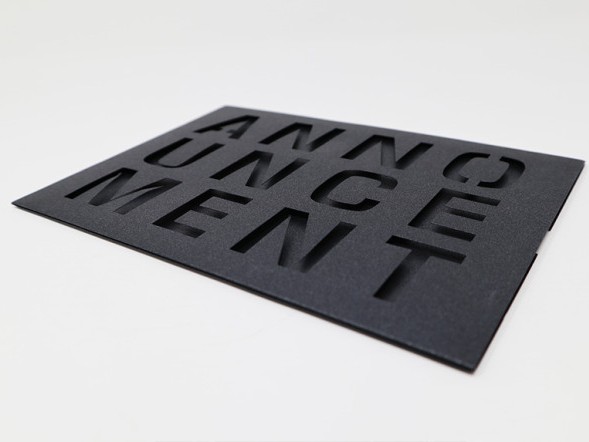
Die cutting shapes materials into custom patterns or unique designs, perfect for creative packaging or custom-shaped prints.
Round Corner
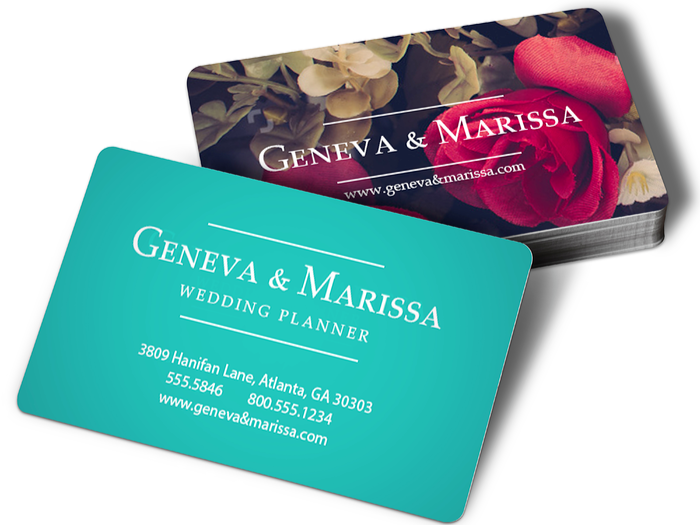
Round cornering softens sharp edges, giving printed materials a modern, polished look, commonly used for business cards or brochures.
Punch
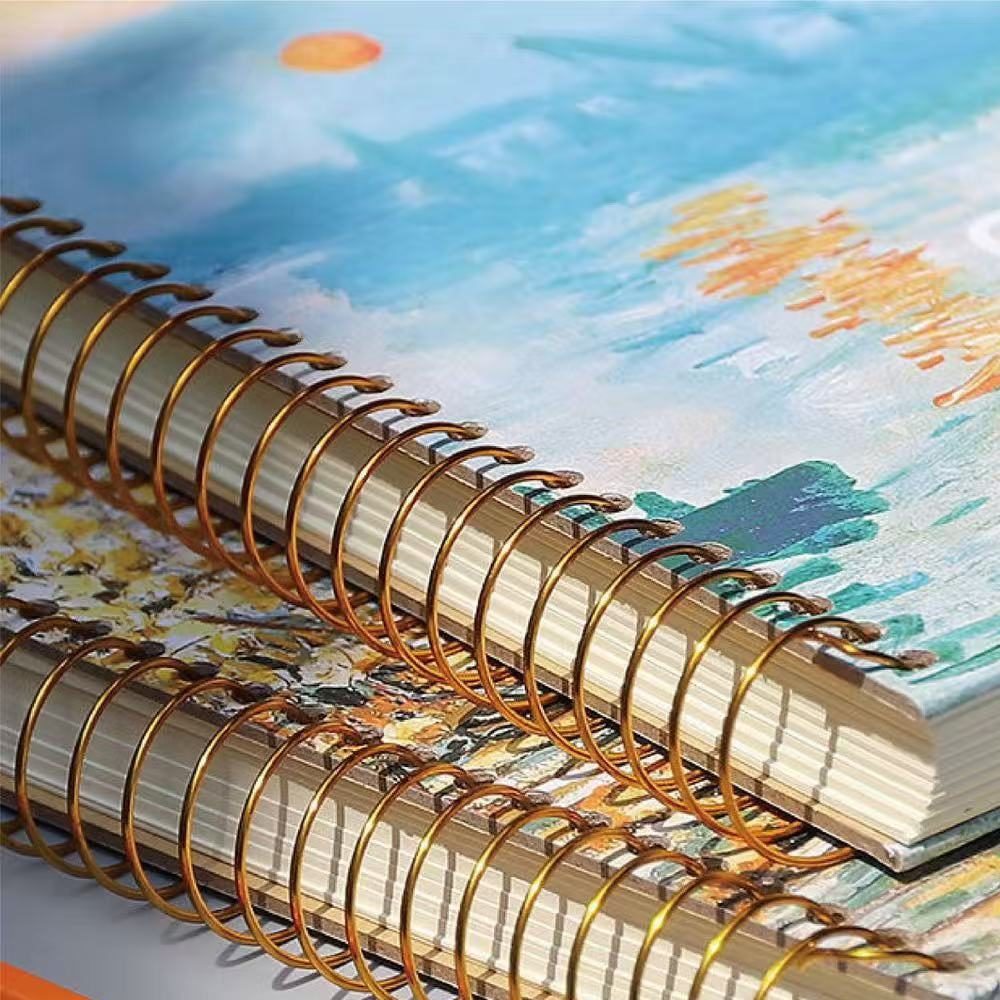
Punching creates holes or cutouts in prints, ideal for creating ring-bound books, tickets, or custom tags.
How Our One-Stop Solution Works
From your first idea to finished books and packaging, PrintPack360 helps manage the full production workflow in one place.
01
Requirements
Share your book type, size, quantity, artwork, packaging needs, and target market.
02
Design Review
We check artwork, bleed, margins, color mode, spine width, and packaging dielines.
03
Solution Plan
We recommend paper, binding, finishing, packaging structure, safety, and eco options.
04
Sample Proofing
Digital or physical samples help confirm color, materials, structure, and details.
05
Book Printing
We produce custom books with printing, binding, finishing, and production control.
06
Packaging
We make slipcases, rigid boxes, mailer boxes, inserts, sleeves, and paper bags.
07
Quality Check
We inspect color, binding, finishing, packaging, quantity, and final presentation.
08
Delivery
Finished products are packed for sea, air, express, warehouse, or e-commerce delivery.