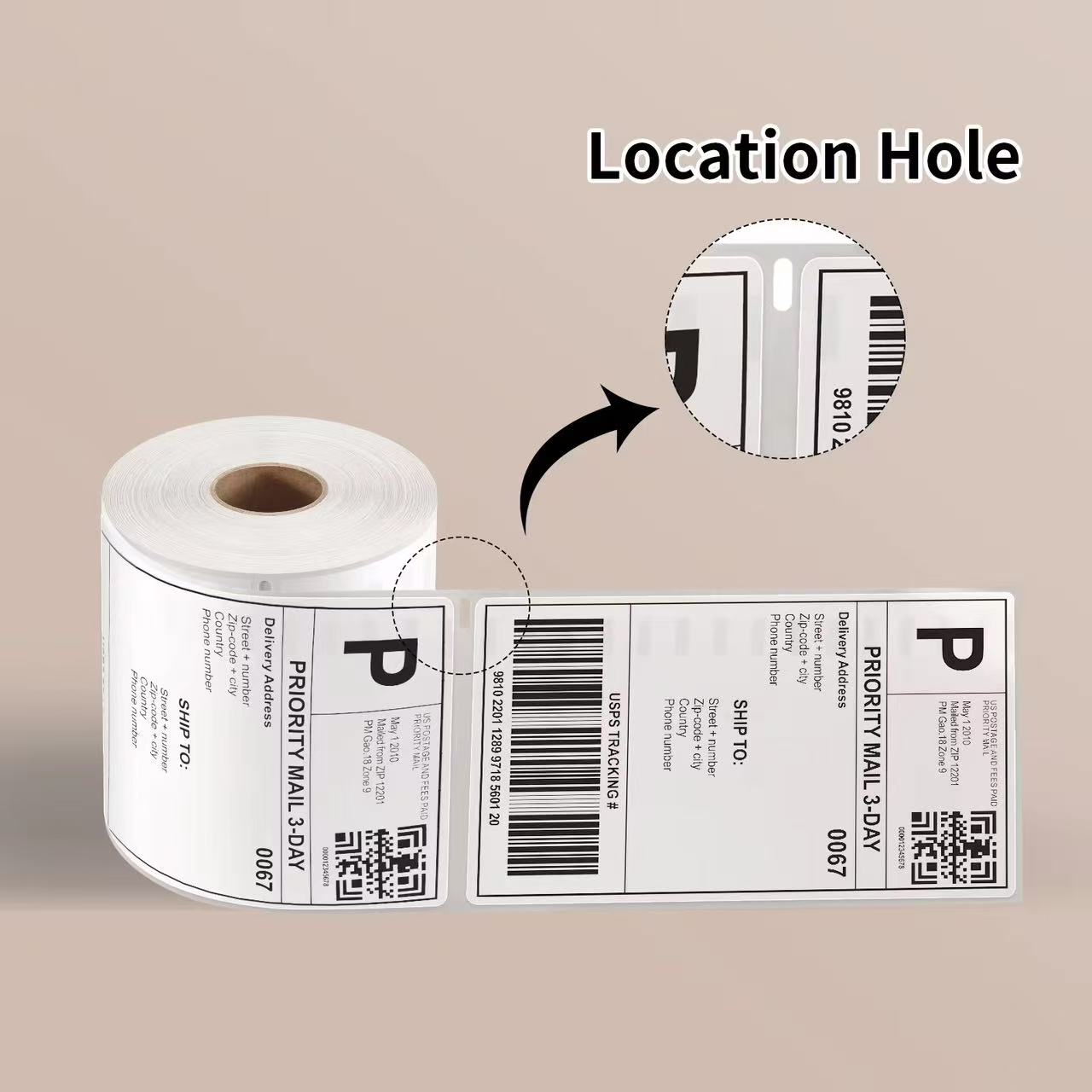
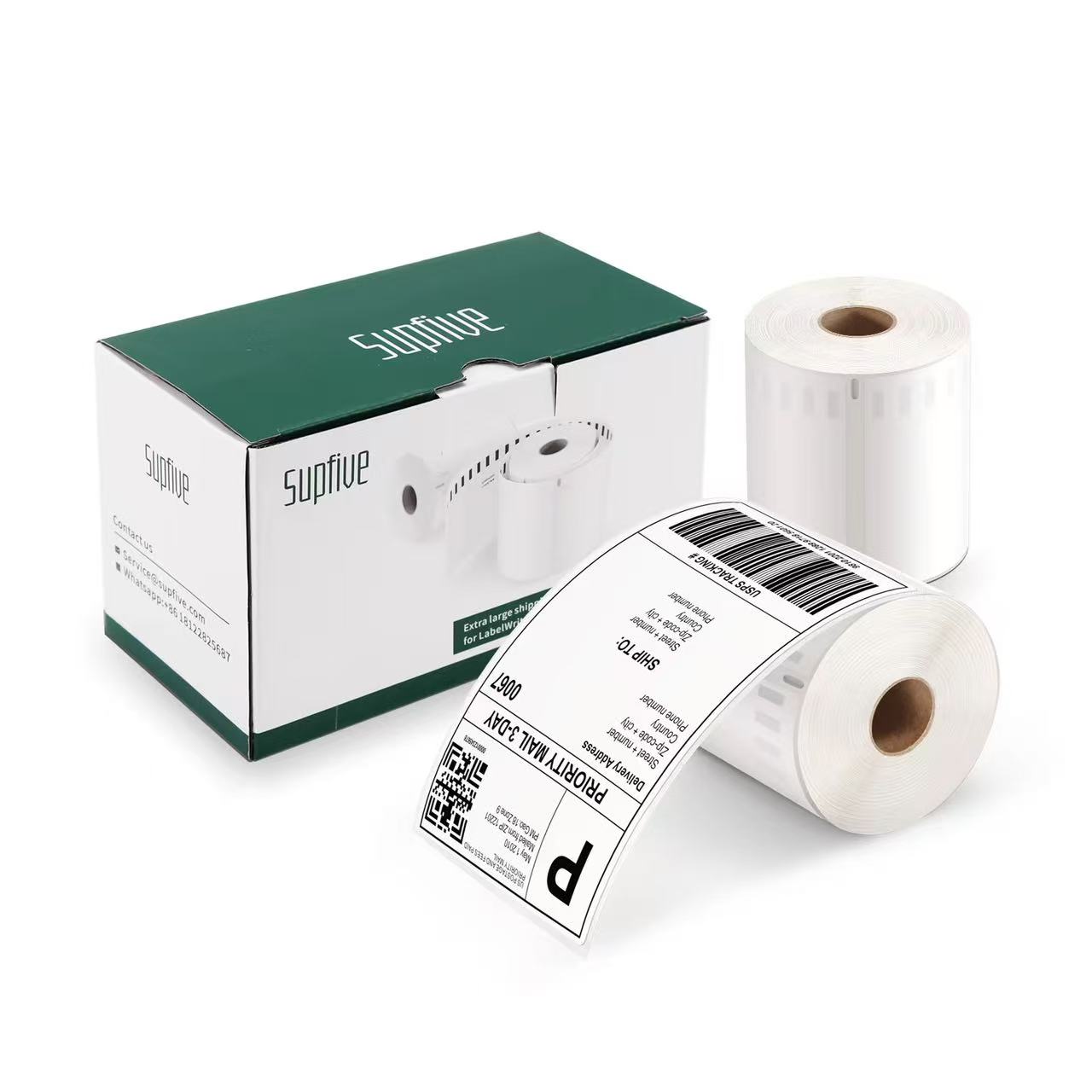
Three-proof thermal shipping label rolls for logistics providers, e-commerce warehouses, fulfillment centers, courier companies, manufacturers, and high-volume shipping operations that need readable barcodes during handling and transit.
PrintPack360 supports direct thermal shipping label production, waterproof / oil-resistant / scratch-resistant top coating, strong hot-melt adhesive, glassine liner, custom roll counts, printer-compatible core sizes, proofing, inspection, and export-ready packing.
Three-proof thermal shipping label rolls for waybill labels, courier labels, barcode labels, and e-commerce logistics labels
Standard Size
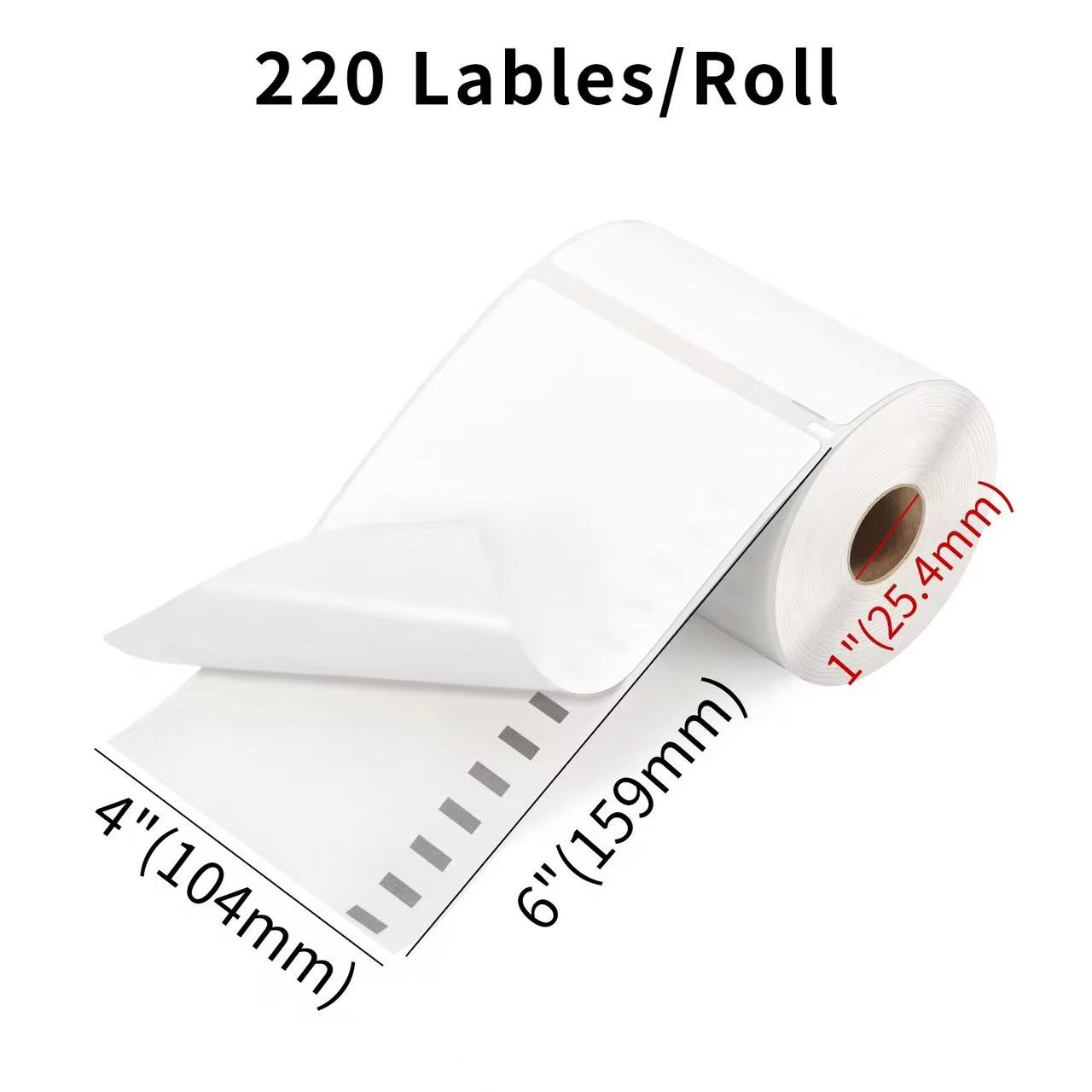
100 × 150mm / 4 × 6in, with custom thermal label sizes available
Label Protection
Water-resistant, oil-resistant, and scratch-resistant top coating for improved barcode readability during handling
Printing Method
Direct thermal printing, no ribbon required
Face Stock
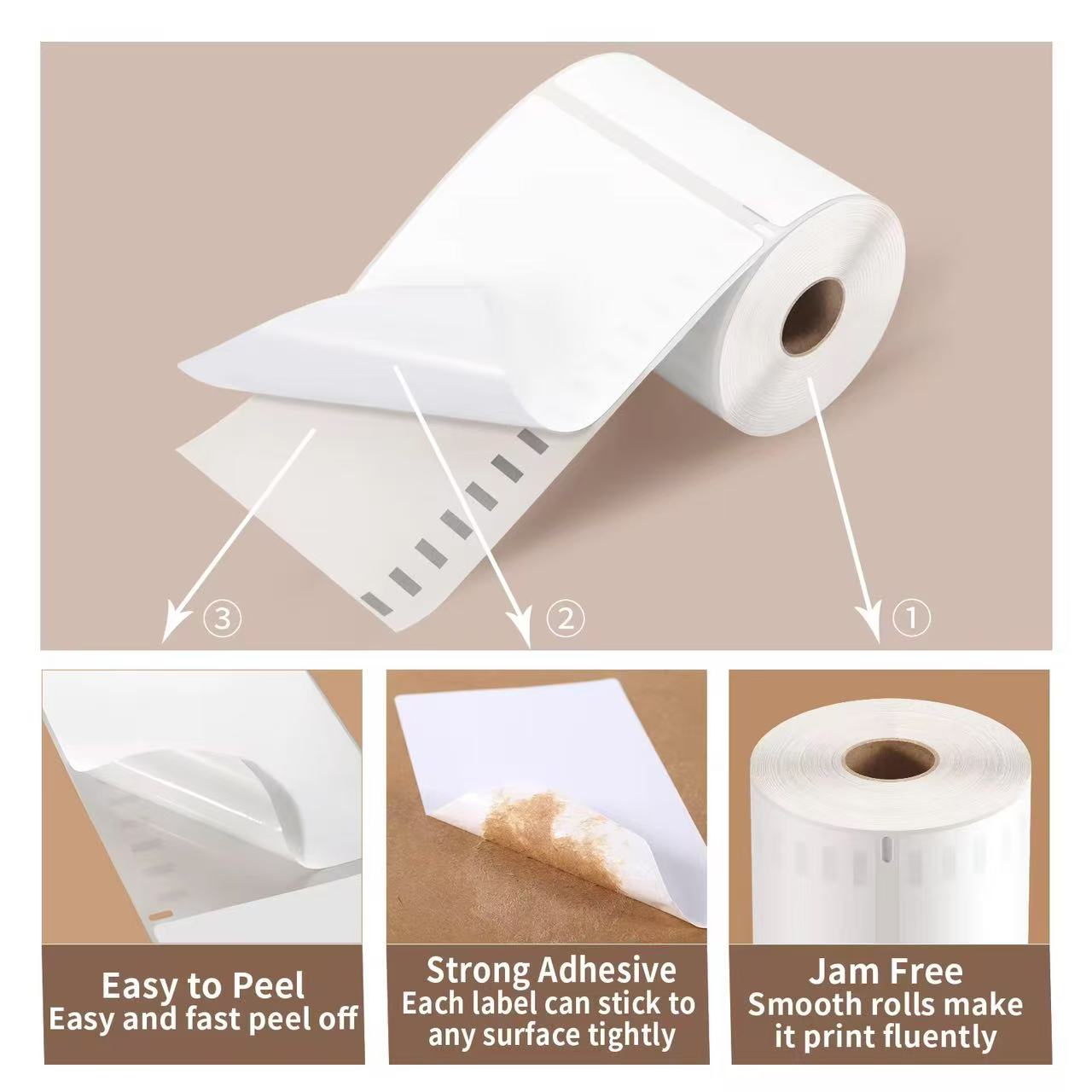
70-80gsm direct thermal paper with protective top coating
Liner
60gsm glassine liner, white or blue liner options
Core Diameter
25mm / 40mm / 76mm, or 1in / 1.5in / 3in for desktop and industrial thermal printers
Roll Count
350, 500, or 1000 labels per roll; custom roll counts can be discussed
Adhesive
High-tack hot-melt adhesive for corrugated cartons and selected shipping surfaces; acrylic adhesive can be discussed for specific applications
Three-Proof Thermal Shipping Label Rolls Overview
Three-proof thermal shipping label rolls are designed for shipping environments where labels may face moisture, oil transfer, abrasion, conveyor friction, carton handling, and warehouse sorting. The protective top coating helps maintain barcode readability better than basic economy thermal labels under typical logistics handling conditions.
These labels use direct thermal technology, so they print without ribbons. They are commonly used for 4 × 6in waybill labels, e-commerce shipping labels, courier labels, warehouse barcode labels, and fulfillment labels. PrintPack360 supports material selection, die-cutting, roll slitting, adhesive matching, core size selection, inspection, and export packing for wholesale label orders.
E-commerce fulfillment: suitable for Shopify, Amazon, marketplace, warehouse, and third-party logistics shipping labels.
Courier and express delivery: useful for waybill labels, parcel labels, return labels, route labels, and last-mile delivery labels.
Warehouse operations: suitable for carton labels, pallet labels, inventory labels, picking labels, and sorting labels.
Manufacturing shipment: useful for outbound cartons, spare parts shipments, industrial packaging, and barcode traceability.
High-handling environments: suitable where labels may face rubbing, light moisture, carton dust, oil transfer, or sorting-machine friction.
Problems We Help You Avoid
Unreadable barcodes: poor thermal coating or surface abrasion can reduce scan success during sorting and delivery.
Labels peeling off cartons: adhesive type should match corrugated cartons, recycled paperboard, plastic mailers, temperature, and shipping route.
Printer jams: die-cut accuracy, gap distance, liner quality, roll winding, and edge slitting should be controlled.
Wrong core size: desktop and industrial thermal printers may need different core diameters and roll counts.
Heat and sunlight exposure: direct thermal labels are heat-sensitive, so storage and application conditions should be managed.
Overclaiming durability: “waterproof / oil-proof / scratch-proof” should be understood as resistance under agreed conditions, not permanent performance in all environments.
Recommended Materials for Thermal Shipping Labels
Component
Recommended Options
Buyer Notes
Face Stock
70-80gsm direct thermal paper with three-proof top coating
Supports direct thermal printing and improved resistance to moisture, oil, and abrasion
Liner
60gsm glassine liner, white or blue
Supports clean peeling, smooth roll feeding, and printer compatibility
Adhesive
Hot-melt adhesive or acrylic adhesive based on surface and temperature needs
Hot melt is often used for strong carton tack; acrylic can be discussed for specific temperature or surface requirements
Roll Core
25mm, 40mm, or 76mm core
Choose according to printer model, dispenser, roll count, and label outer diameter
For logistics label orders, adhesive selection, core size, roll outside diameter, label gap, and printer compatibility should be confirmed before production. Direct thermal labels are practical because they do not require ribbons, but they are still sensitive to heat, UV exposure, and storage conditions. For technical background, Zebra explains the difference between direct thermal and thermal transfer printing in its printer resources.
Size, Adhesive & Roll Configuration Options
Label size: 100 × 150mm / 4 × 6in is the common waybill label size; custom sizes can be produced.
Roll count: 350, 500, or 1000 labels per roll, selected by printer type and warehouse workflow.
Core diameter: 1in, 1.5in, and 3in cores are commonly used for desktop and industrial thermal printers.
Gap distance: 2-3mm gap distance is common and should match printer sensor settings.
Adhesive: hot-melt adhesive for strong carton bonding; acrylic adhesive can be discussed for selected conditions.
Label direction: inside wound or outside wound roll direction should be confirmed before production.
If the labels will be used for GS1-format barcodes or logistics identifiers, buyers should confirm barcode size, quiet zone, print contrast, and scanner environment. GS1 provides barcode standards used across global supply chains.
Barcode, Printer & Material Notes
Thermal shipping labels should be specified by real workflow conditions. Waterproof, oil-proof, scratch-proof, BPA-free, RoHS, SGS, ISO, and printer-compatibility claims should only be used when the selected material, coating, adhesive, and test documentation support the claim.
For three-proof thermal shipping labels, samples should be tested with the buyer’s actual printer, cartons, scanners, and shipping workflow where possible. Label performance depends on thermal coating, adhesive, liner, roll winding, printer settings, storage, and carton surface.
Material confirmation: face stock GSM, top coating, adhesive type, liner thickness, core diameter, roll count, label gap, and wound direction should be confirmed before sampling.
Printer test: print darkness, barcode clarity, scanner readability, feeding, peeling, sensor detection, and roll compatibility should be checked.
Adhesive test: carton surface, recycled corrugated board, plastic mailers, temperature exposure, and peel strength should be reviewed if critical.
Bulk inspection: die-cut accuracy, gap distance, edge slitting, roll tension, liner release, adhesive bleeding, carton packing, and quantity should be checked before shipment.
For first-time label roll projects, PrintPack360’s sample strategy can help decide whether you need blank roll samples, printed test rolls, adhesive tests, or finished production samples.
File Requirements for Thermal Label Roll Orders
For thermal shipping labels, buyers often do not need full artwork if the labels are blank roll labels printed later by thermal printers. If preprinted branding is required, vector artwork is recommended.
Confirm label size, roll count, core diameter, gap distance, liner color, wound direction, and printer model before quotation.
For blank labels, provide label dimensions, corner radius, gap distance, core size, and roll count.
For preprinted logo labels, supply vector artwork such as AI, EPS, PDF, or SVG.
Keep preprinted logos, background graphics, and marks away from barcode print zones and shipping label data zones.
If barcode standards are required, confirm barcode type, scanner environment, quiet zone, and print contrast expectations.
Provide carton label, inner roll label, SKU, barcode, and packing requirements if the rolls will go to a warehouse or distributor.
Export Packaging & Shipping Preparation
Thermal label rolls should be packed to protect roll edges, adhesive layers, thermal coating, and liner release quality. Export-ready packing may include roll shrink wrap, inner boxes, moisture protection, edge protection, corrugated export cartons, carton labels, and palletization when needed.
Thermal paper should be stored away from high heat, direct sunlight, solvents, oils, and long-term pressure before use. If labels are going to a fulfillment warehouse, distributor, or printer-supply channel, carton quantity, SKU labels, roll orientation, and warehouse receiving rules should be confirmed before shipment.
Information Needed for Quotation
To quote three-proof thermal shipping label rolls accurately, please prepare the following details:
What are three-proof thermal shipping label rolls?
Three-proof thermal shipping label rolls are direct thermal label rolls with a protective top coating designed to improve resistance to moisture, oil, and abrasion during logistics handling.
What size is most common for shipping labels?
The common logistics label size is 100 × 150mm / 4 × 6in. Custom sizes can also be produced based on printer model, platform requirement, and warehouse workflow.
Do these thermal labels need a ribbon?
No. These labels use direct thermal printing, so they do not require a ribbon. The printer uses heat to create the image on thermal-sensitive label paper.
Are three-proof thermal labels fully waterproof?
They are designed to resist moisture better than standard thermal labels, but performance depends on exposure time, coating, adhesive, carton surface, and test conditions. Avoid describing them as permanently waterproof in all environments.
Which adhesive is best for shipping cartons?
Hot-melt adhesive is commonly used for strong tack on corrugated cartons and recycled packaging materials. Acrylic adhesive can be discussed for selected temperature, surface, or storage requirements.
What core size should I choose?
Desktop printers often use 1in or 1.5in cores, while industrial printers may use 3in cores. Confirm the printer model, outside diameter limit, and roll count before ordering.
Can the labels be used with Zebra, Honeywell, TSC, or Brother printers?
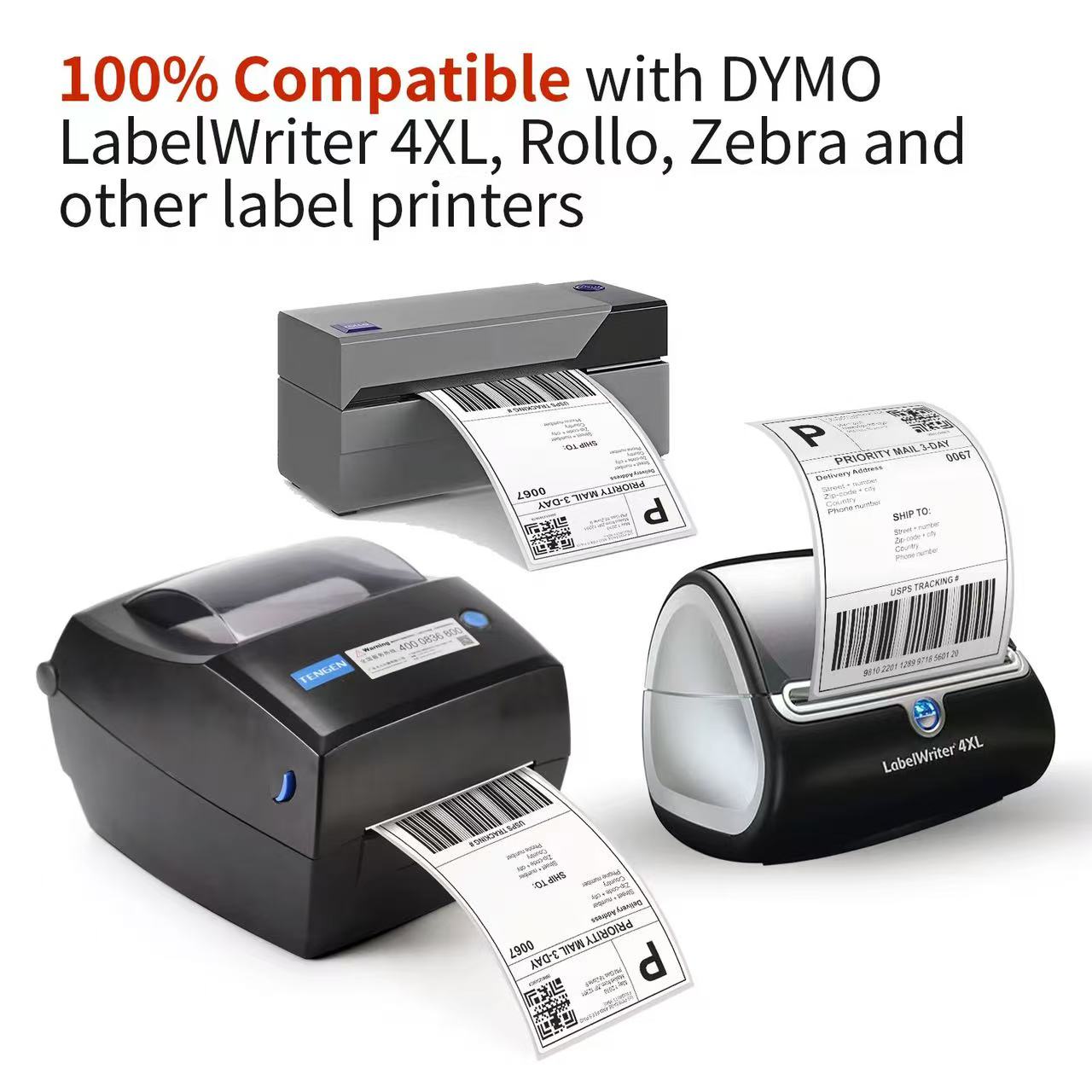
They can be configured for common direct thermal printers, but printer model, sensor type, core size, roll outside diameter, gap distance, and wound direction should be confirmed before production.
What information is needed for a quote?
Provide label size, labels per roll, total rolls, core diameter, gap distance, adhesive type, liner color, printer model, wound direction, performance requirements, and shipping destination.
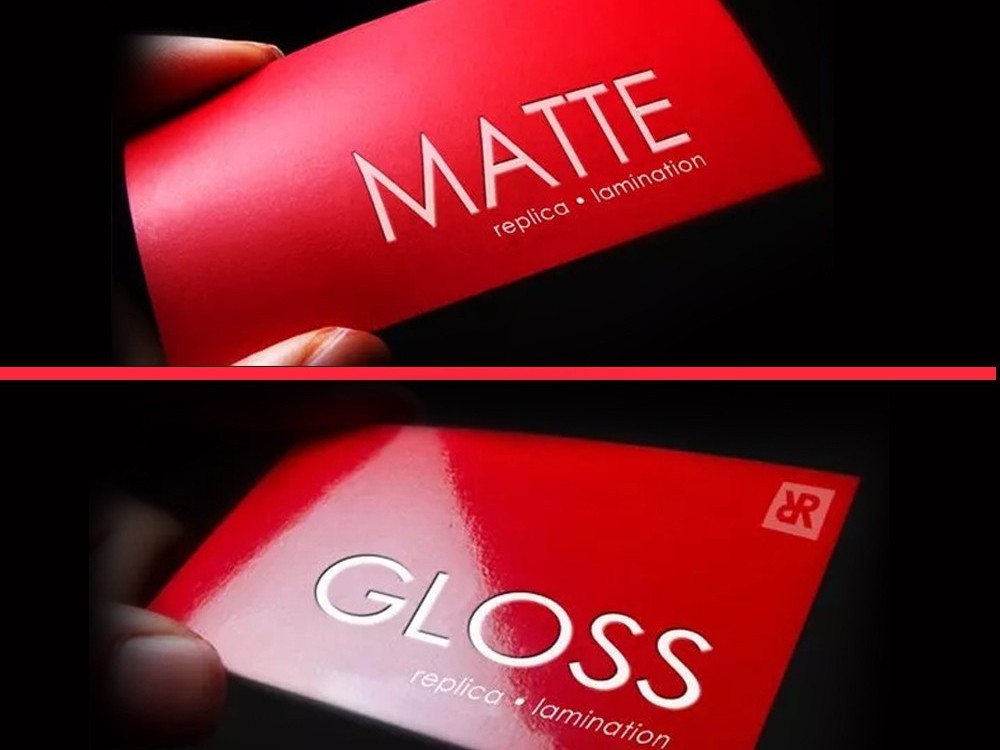
Gloss laminate adds a shiny finish, enhancing color vibrancy, while matte laminate offers a sleek, non-reflective look for a more refined finish.
Varnishing
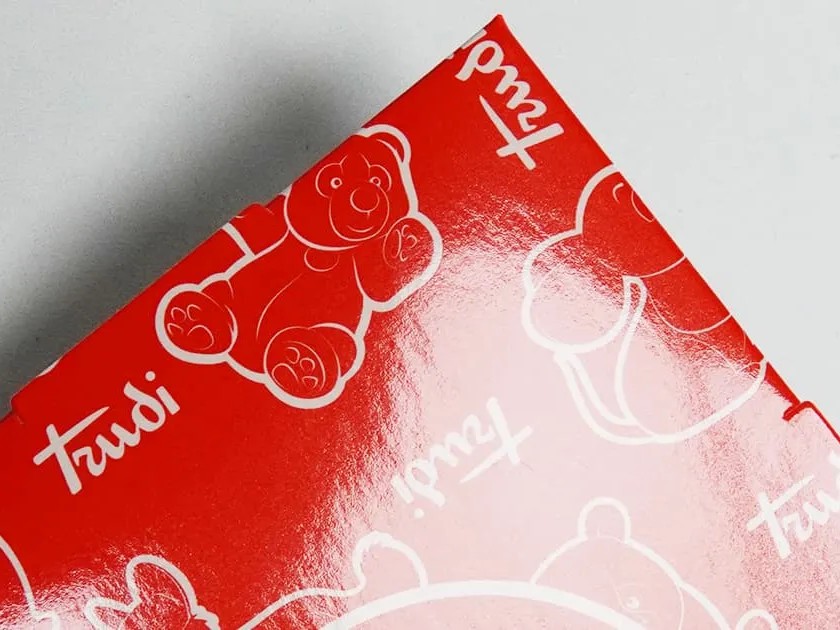
Varnishing adds a protective coating, enhancing durability and providing either a glossy or matte finish to make designs more vibrant and long-lasting.
Spot UV
Spot UV applies a glossy coating to specific areas of a print, creating a contrast between shiny and matte surfaces, highlighting key design elements.
Foil Stamping
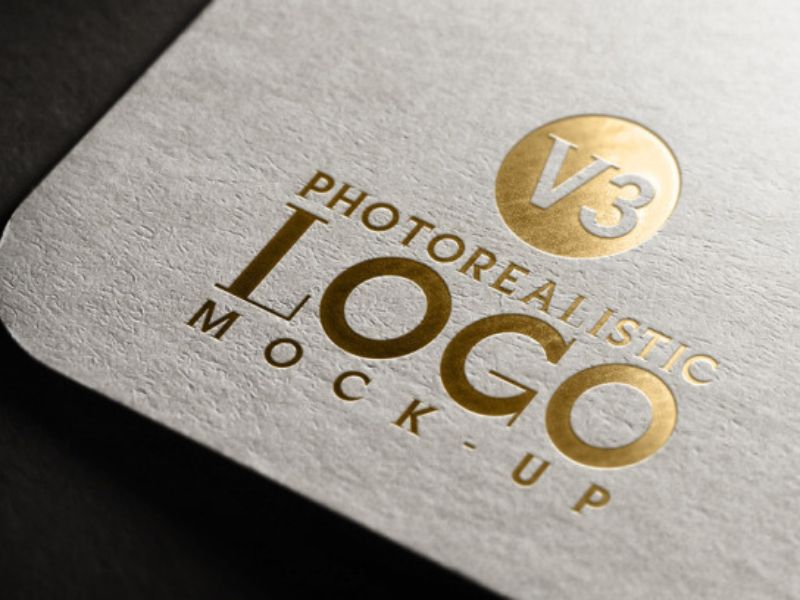
Foil stamping uses heat to apply metallic or colored foil to specific areas, adding a luxurious, shiny effect to logos and text.
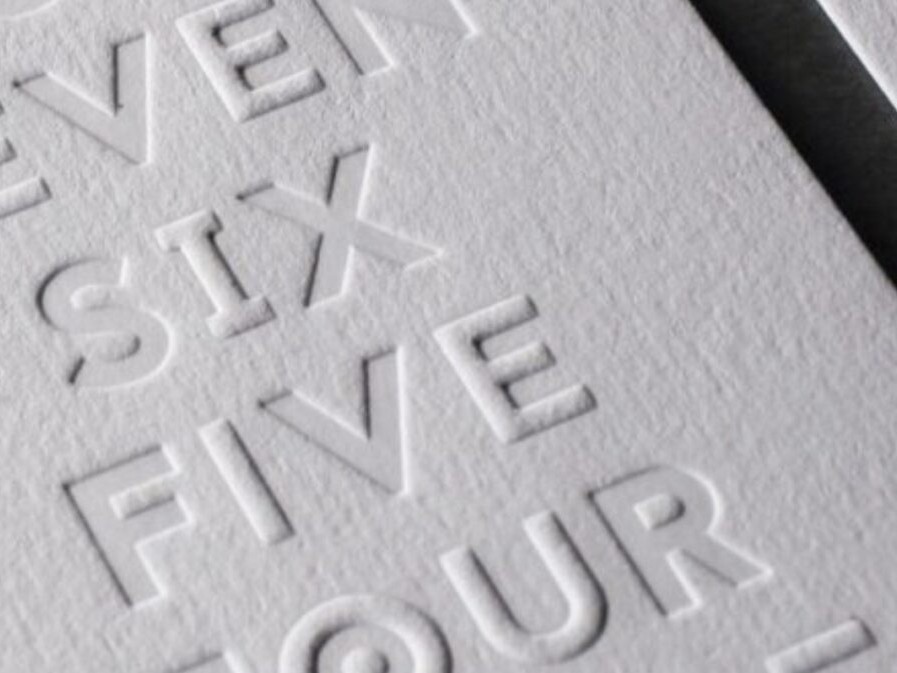
Embossing
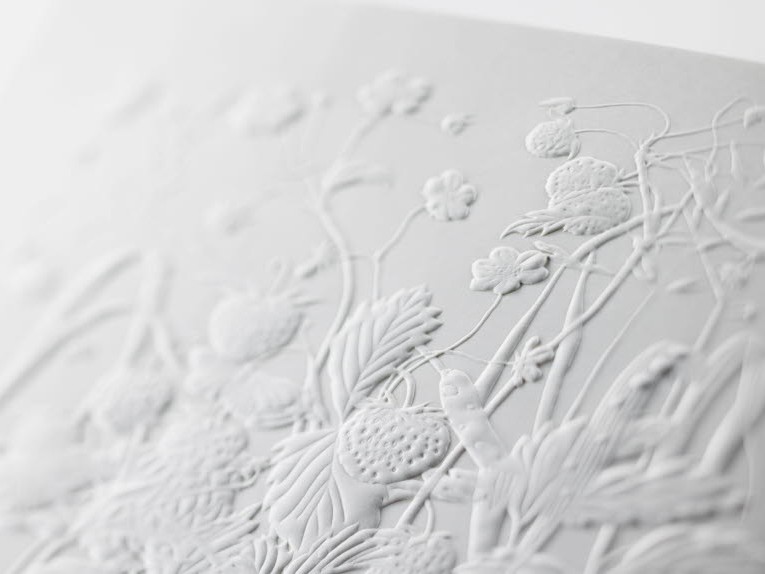
Embossing creates a raised, 3D effect, adding texture and depth, perfect for high-quality designs like invitations or business cards.
Debossing
Debossing presses a design into the material, creating a recessed effect that adds a subtle, elegant detail to printed items.
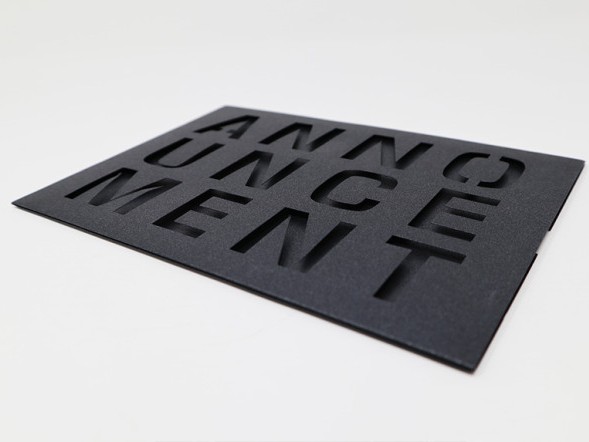
Die Cutting
Die cutting shapes materials into custom patterns or unique designs, perfect for creative packaging or custom-shaped prints.
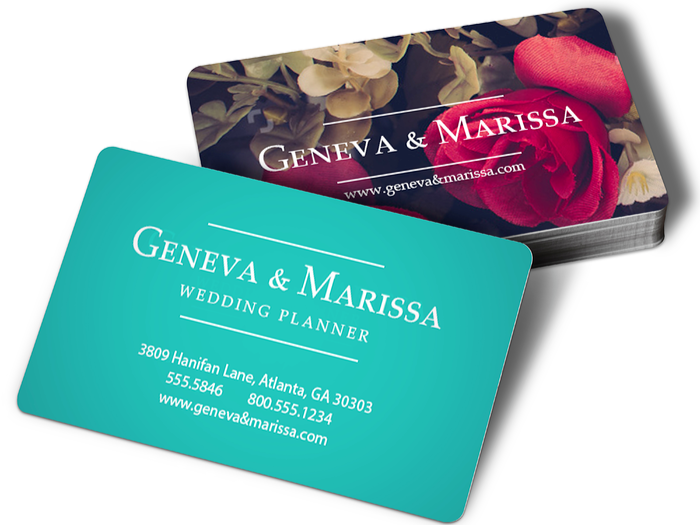
Round Corner
Round cornering softens sharp edges, giving printed materials a modern, polished look, commonly used for business cards or brochures.
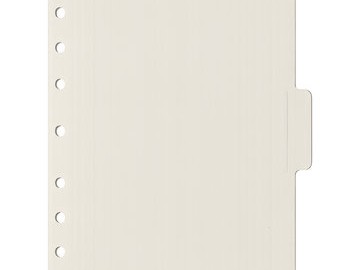
Punch
Punching creates holes or cutouts in prints, ideal for creating ring-bound books, tickets, or custom tags.
How Our One-Stop Solution Works
From your first idea to finished books and packaging, PrintPack360 helps manage the full production workflow in one place.
01
Requirements
Share your book type, size, quantity, artwork, packaging needs, and target market.
02
Design Review
We check artwork, bleed, margins, color mode, spine width, and packaging dielines.
03
Solution Plan
We recommend paper, binding, finishing, packaging structure, safety, and eco options.
04
Sample Proofing
Digital or physical samples help confirm color, materials, structure, and details.
05
Book Printing
We produce custom books with printing, binding, finishing, and production control.
06
Packaging
We make slipcases, rigid boxes, mailer boxes, inserts, sleeves, and paper bags.
07
Quality Check
We inspect color, binding, finishing, packaging, quantity, and final presentation.
08
Delivery
Finished products are packed for sea, air, express, warehouse, or e-commerce delivery.