Custom magazine printing for fashion magazines, corporate publications, brand magazines, editorial projects, product lookbooks, event magazines, and recurring print issues that need stable color, clean binding, and reliable repeat production.
PrintPack360 supports magazine paper selection, saddle stitch or perfect binding, CMYK offset printing, cover finishing, proofing, repeat-order color control, quality inspection, and export-ready packing for international B2B buyers.
Best for: fashion, brand, corporate, lifestyle, editorial, event, and product magazines
Binding: saddle stitch, perfect binding, or sewn binding for selected premium editions
Paper: coated paper, matte coated paper, gloss coated paper, or uncoated paper
Finishing: matte/gloss lamination, spot UV, foil stamping, and special cover effects
Files: print-ready PDF, CMYK, 300 dpi, with 3mm bleed
Custom magazine printing helps publishers, brands, agencies, and companies produce polished printed magazines for marketing, storytelling, product presentation, and recurring editorial programs. A good magazine page should not only look attractive; it must also control paper feel, image sharpness, binding strength, color consistency, and repeat-order stability.
PrintPack360 supports custom magazine production for one-time issues, seasonal editions, quarterly publications, brand magazines, fashion magazines, event magazines, and corporate publications. The production process can include prepress review, paper recommendation, proofing, offset printing, binding, finishing, inspection, and export packing.
Fashion magazine printing: suitable for lookbooks, seasonal collections, editorials, designer portfolios, and brand storytelling.
Corporate magazine printing: useful for internal publications, annual culture magazines, company updates, and customer-facing brand magazines.
Brand magazine printing: suitable for lifestyle brands, retail chains, beauty brands, hotels, schools, and premium service companies.
Event magazine printing: useful for conferences, exhibitions, awards, festivals, launch events, and sponsorship programs.
Recurring issue printing: suitable for monthly, quarterly, or seasonal publications where color consistency and repeat specification control matter.
Common Magazine Printing Specifications
Item
Common Options
Buyer Notes
Size
A4, US Letter, 210 × 297mm, 216 × 279mm, or custom size
Choose based on target market, mailing method, shelf display, and design layout
Page Count
16-128 pages or custom page count
Binding method depends on page count and paper thickness
Cover Paper
200-300gsm gloss or matte coated paper
Suitable for stronger cover feel and optional lamination
Inner Paper
80-128gsm coated or uncoated paper
Coated paper supports image-heavy content; uncoated paper improves text readability
Binding
Saddle stitch, perfect binding, or sewn binding for selected premium editions
Choose based on page count, budget, and durability requirement
Paper, Binding & Finishing Options
Magazine printing should be specified around reading experience and distribution method. A thin promotional magazine may use saddle stitch binding, while a thicker premium magazine usually needs perfect binding. Special editions can use sewn binding when durability and collectability matter.
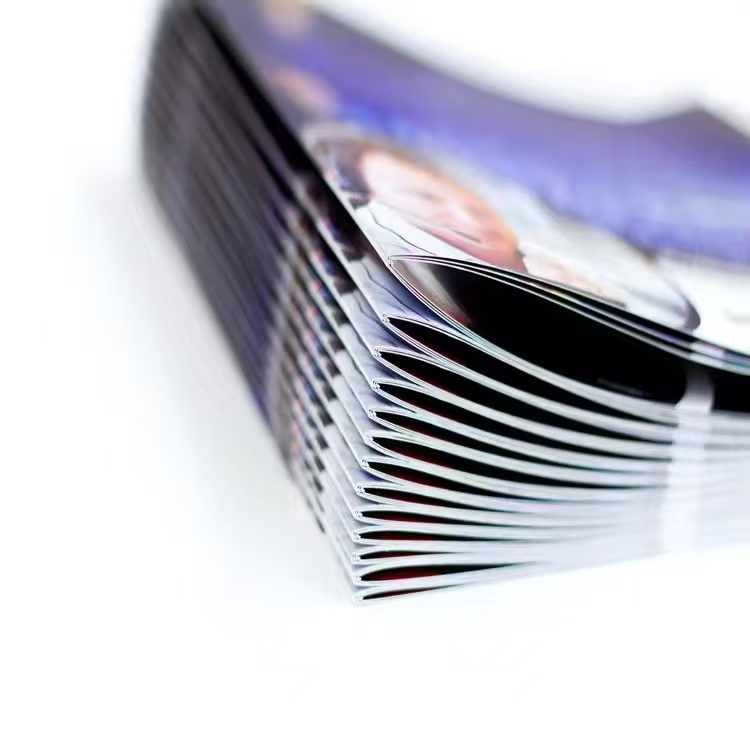
Saddle stitch binding: suitable for thinner magazines, newsletters, event guides, and short-run promotional magazines.
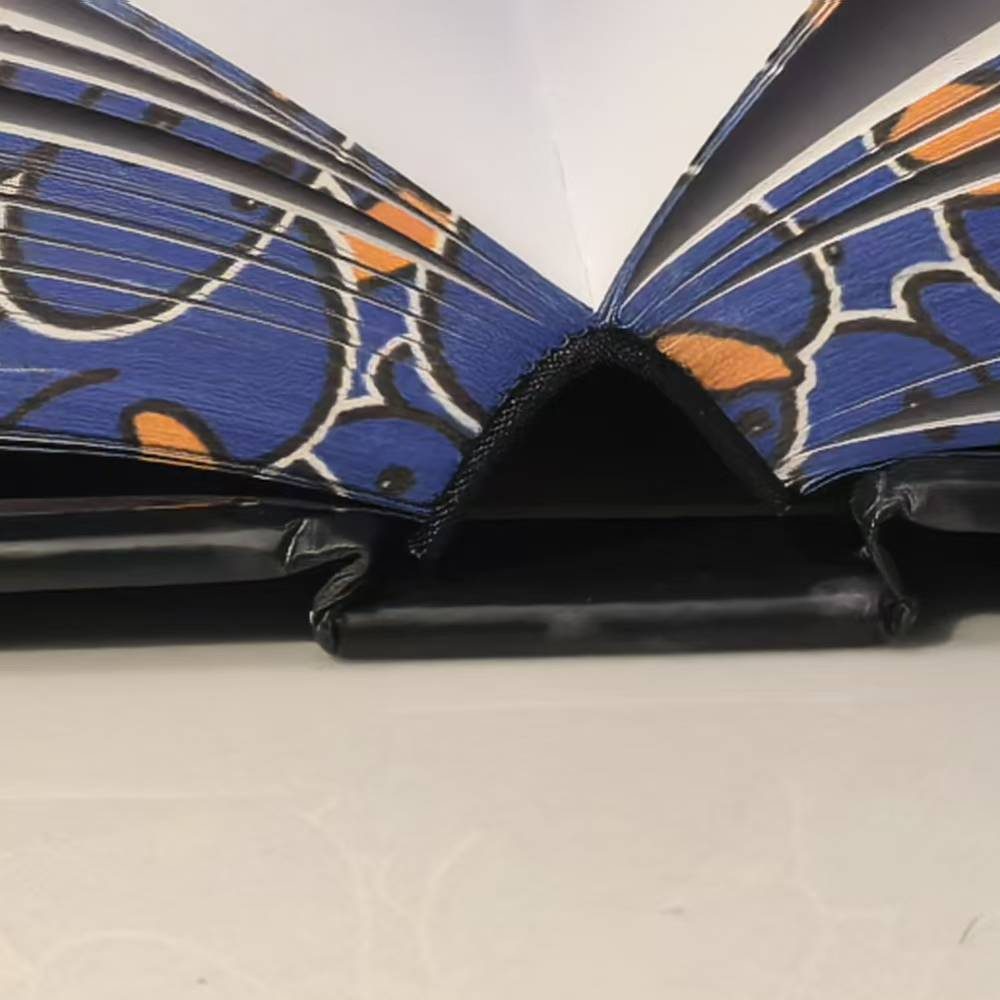
Perfect binding: suitable for thicker magazines, premium brand publications, fashion magazines, and recurring editorial issues.
Coated paper: recommended for image-heavy pages, fashion photography, product visuals, and strong color saturation.
Uncoated paper: suitable for text-heavy corporate magazines, editorial reading, and lower-glare layouts.
Cover finishing: matte lamination, gloss lamination, spot UV, foil stamping, or soft-touch lamination can improve shelf appeal and handling durability.
Magazine buyers often care about color consistency across issues, image sharpness, paper opacity, binding accuracy, and delivery schedule. Proofing is especially important for fashion, product, beauty, art, and brand magazines because small color shifts can change the perceived quality of the publication.
Prepress review: file size, bleed, image resolution, fonts, page order, CMYK setup, and cover spine are checked before production.
Proofing: digital proofs or printed proofs can be arranged depending on color sensitivity and project risk.
Color control: recurring issues should keep paper, print profile, and approved color references consistent where possible.
Binding inspection: page order, trimming, spine alignment, staple position, glue strength, and cover registration should be checked.
Export packing: magazines should be bundle wrapped, carton packed, labeled, and protected from moisture and corner damage.
Print-ready PDF files are recommended for efficient magazine production. Files should be prepared in CMYK color mode with 300 dpi images, embedded or outlined fonts, and at least 3mm bleed on all sides.
Confirm final size, page count, binding method, and cover paper before exporting final files.
Keep important text, page numbers, logos, QR codes, and barcodes inside the safe margin.
For perfect-bound magazines, confirm spine width after paper choice and page count are finalized.
Images should be high resolution and prepared for print, not only for screen display.
Spot UV, foil stamping, embossing, debossing, or die-cut areas should be supplied as separate vector layers.
Recurring magazine projects should keep a stable file naming and version-control system.
Information Needed for Magazine Printing Quotation
To quote custom magazine printing accurately, please prepare the following details:
Binding: saddle stitch, perfect binding, or sewn binding for special editions
Finishing: lamination, spot UV, foil stamping, embossing, debossing, or special ink
Files: print-ready PDF or design files needing prepress support
Shipping: destination country, city, trade term, delivery deadline, and carton labeling requirement
You can send these details through the PrintPack360 contact page or request a quote from the category page.
FAQ
What is custom magazine printing?
Custom magazine printing produces printed magazines for publishers, brands, companies, events, and recurring editorial programs. It includes paper selection, full-color printing, binding, finishing, proofing, and packing.
Which binding is best for magazines?
Saddle stitch is suitable for thinner magazines. Perfect binding is better for thicker or more premium magazines. Sewn binding can be discussed for special editions that need stronger durability.
What paper is recommended for magazine printing?
For image-heavy magazines, coated paper is commonly used. Matte coated paper gives a refined look with less glare, while gloss coated paper gives stronger contrast and color vibrancy. Text-heavy magazines may use uncoated paper.
Can you print recurring magazine issues?
Yes. Recurring issue printing can be supported by keeping paper, binding, color references, and approved specifications consistent across monthly, quarterly, or seasonal runs.
Can I order a sample before bulk magazine printing?
Yes. Digital proofs, paper samples, or printed proofs can be arranged depending on the project. For image-heavy or brand-sensitive magazines, proofing is recommended before bulk production.
What files are needed for magazine printing?
Print-ready PDF files in CMYK at 300 dpi are recommended. Files should include 3mm bleed, safe margins, embedded or outlined fonts, correct page order, and separate finishing layers if needed.
Can FSC paper or recycled paper be used?
FSC-certified paper and recycled paper options can be discussed before quotation. If documentation is required, confirm paper sourcing and certification scope before production.
How are magazines packed for export?
Magazines are usually stacked, bundle wrapped, carton packed, labeled, and prepared for international shipment. Moisture protection, carton strength, and palletization can be adjusted by order quantity and destination.
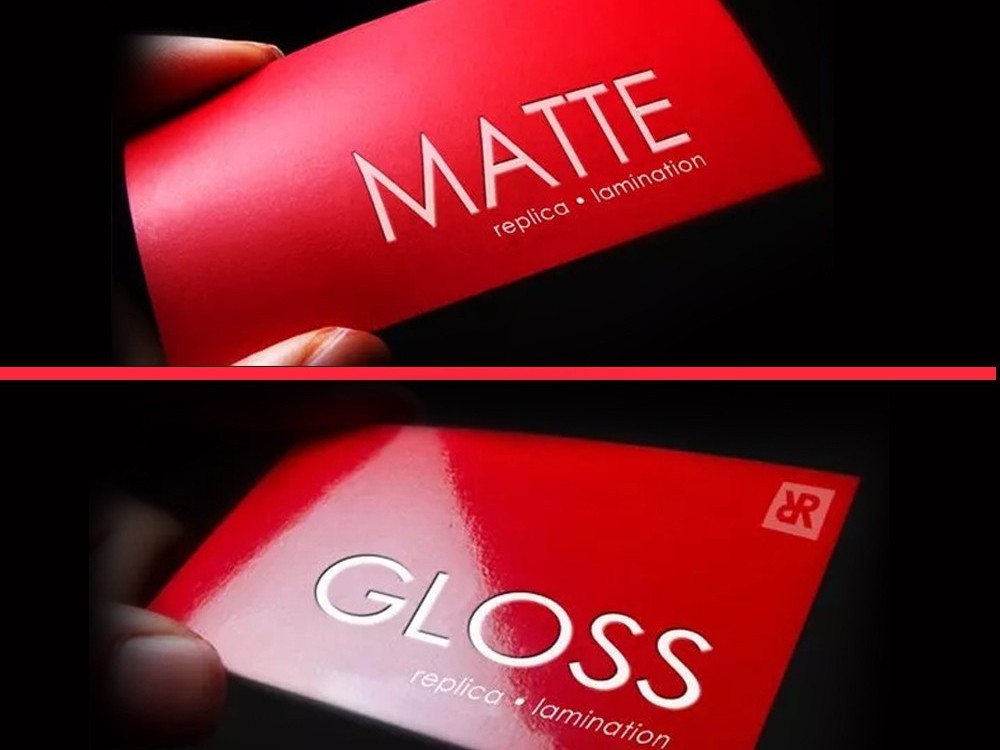
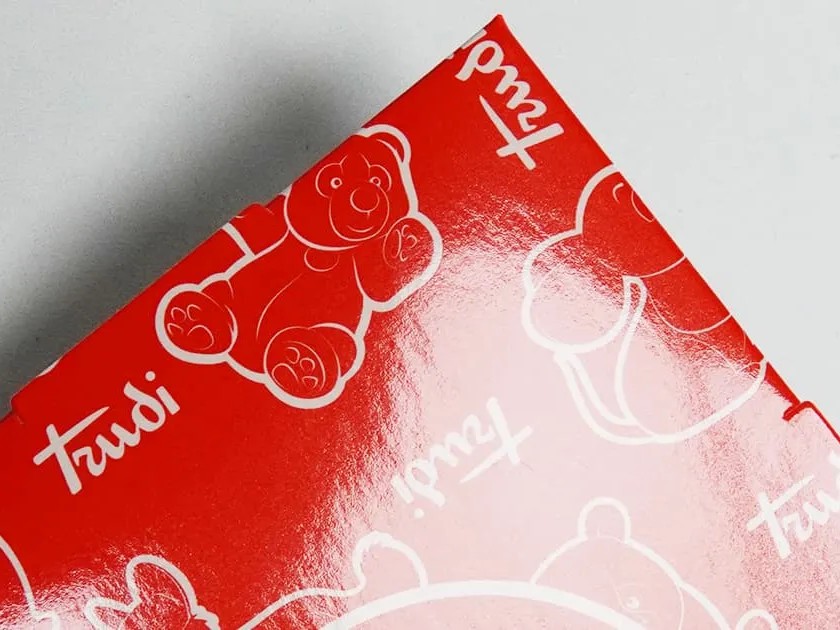
Gloss laminate adds a shiny finish, enhancing color vibrancy, while matte laminate offers a sleek, non-reflective look for a more refined finish.
Varnishing
Varnishing adds a protective coating, enhancing durability and providing either a glossy or matte finish to make designs more vibrant and long-lasting.
Spot UV
Spot UV applies a glossy coating to specific areas of a print, creating a contrast between shiny and matte surfaces, highlighting key design elements.
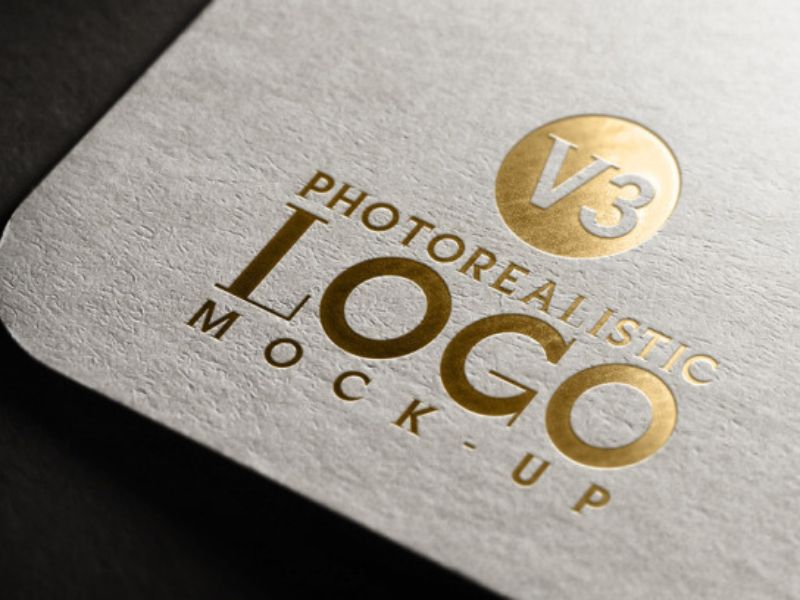
Foil Stamping
Foil stamping uses heat to apply metallic or colored foil to specific areas, adding a luxurious, shiny effect to logos and text.
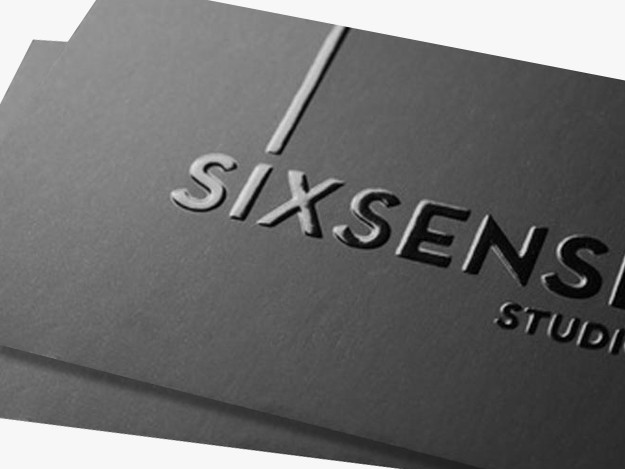
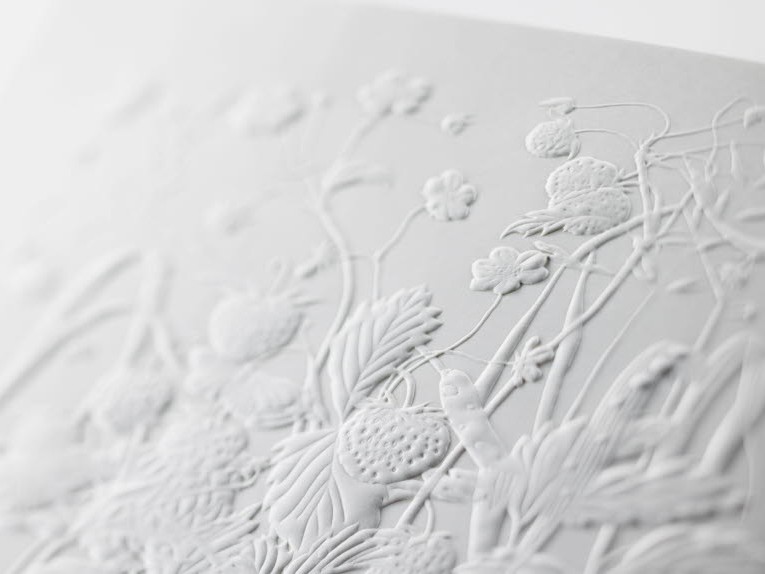
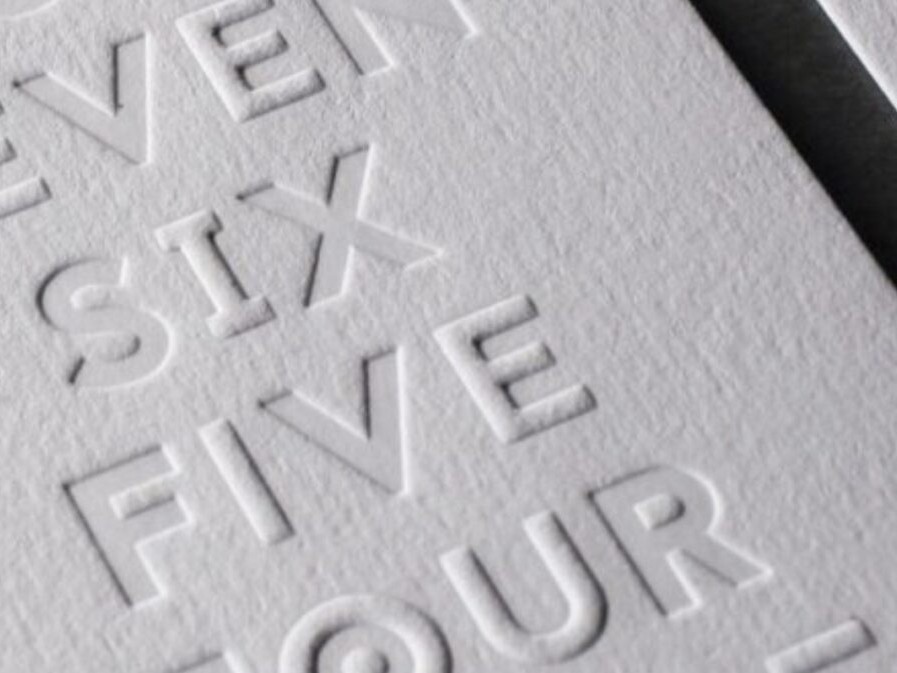
Embossing
Embossing creates a raised, 3D effect, adding texture and depth, perfect for high-quality designs like invitations or business cards.
Debossing
Debossing presses a design into the material, creating a recessed effect that adds a subtle, elegant detail to printed items.
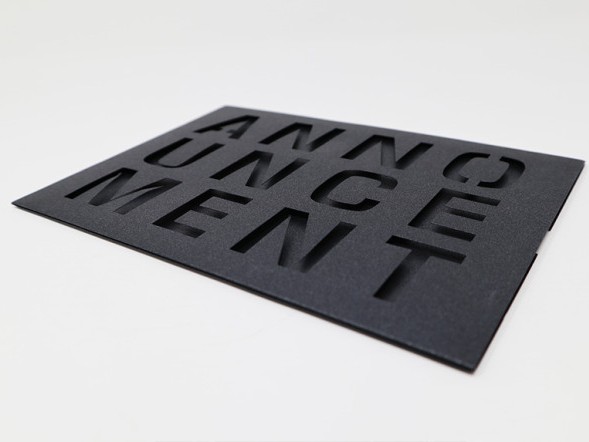
Die Cutting
Die cutting shapes materials into custom patterns or unique designs, perfect for creative packaging or custom-shaped prints.
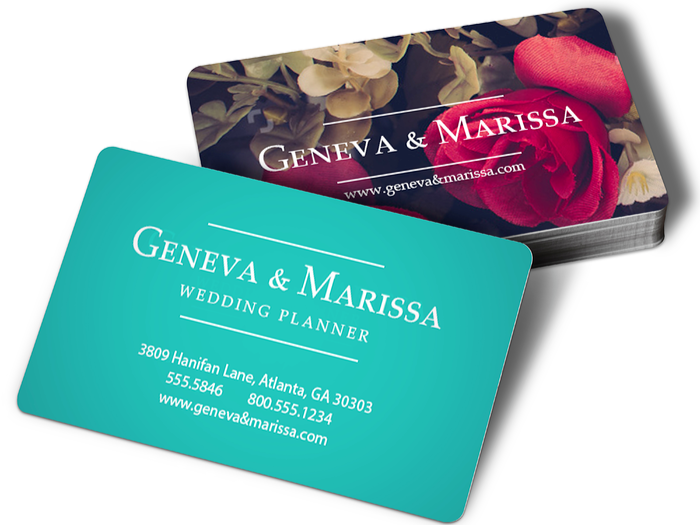
Round Corner
Round cornering softens sharp edges, giving printed materials a modern, polished look, commonly used for business cards or brochures.
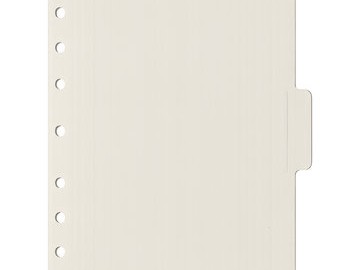
Punch
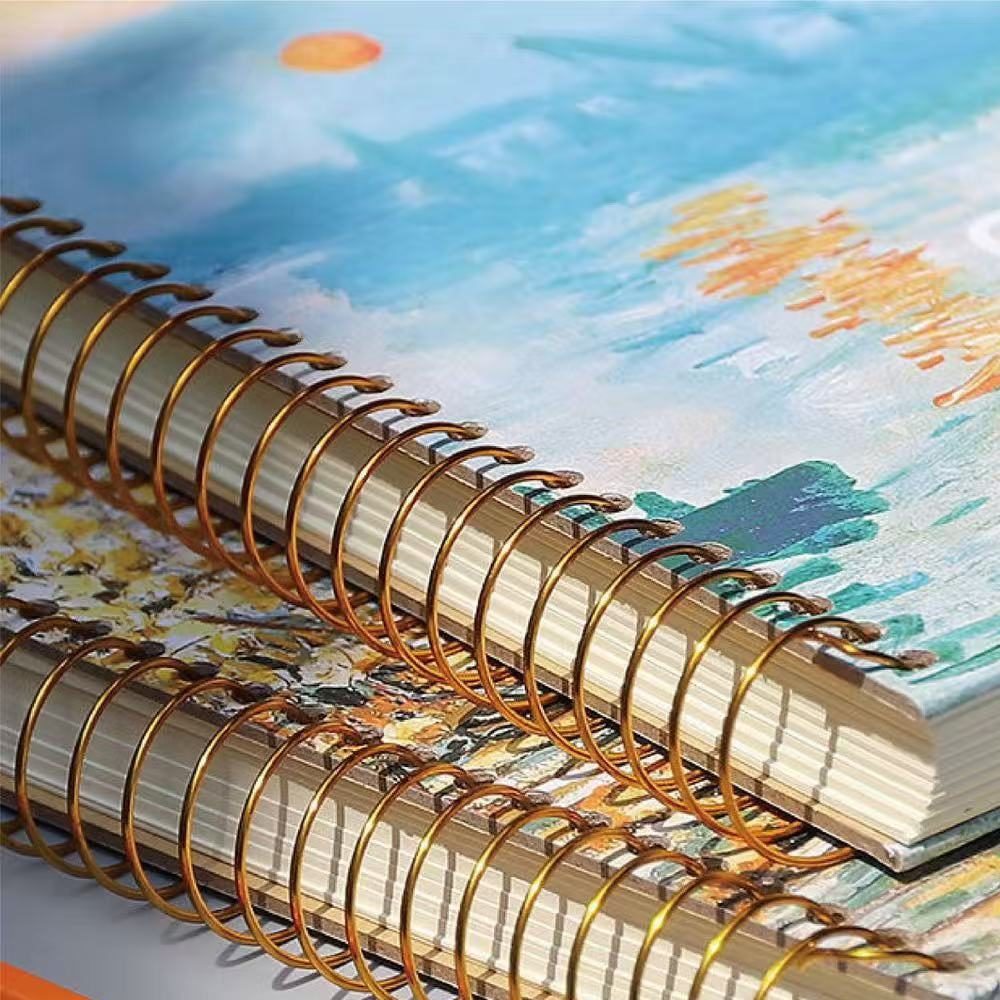
Punching creates holes or cutouts in prints, ideal for creating ring-bound books, tickets, or custom tags.
How Our One-Stop Solution Works
From your first idea to finished books and packaging, PrintPack360 helps manage the full production workflow in one place.
01
Requirements
Share your book type, size, quantity, artwork, packaging needs, and target market.
02
Design Review
We check artwork, bleed, margins, color mode, spine width, and packaging dielines.
03
Solution Plan
We recommend paper, binding, finishing, packaging structure, safety, and eco options.
04
Sample Proofing
Digital or physical samples help confirm color, materials, structure, and details.
05
Book Printing
We produce custom books with printing, binding, finishing, and production control.
06
Packaging
We make slipcases, rigid boxes, mailer boxes, inserts, sleeves, and paper bags.
07
Quality Check
We inspect color, binding, finishing, packaging, quantity, and final presentation.
08
Delivery
Finished products are packed for sea, air, express, warehouse, or e-commerce delivery.