- +86 15056500929
- info@printpack360.com
- Zhishan Building, Lane 999, Zhuanxing East Road, Minhang District, Shanghai China


Custom Hardcover Book with Gradient Foil
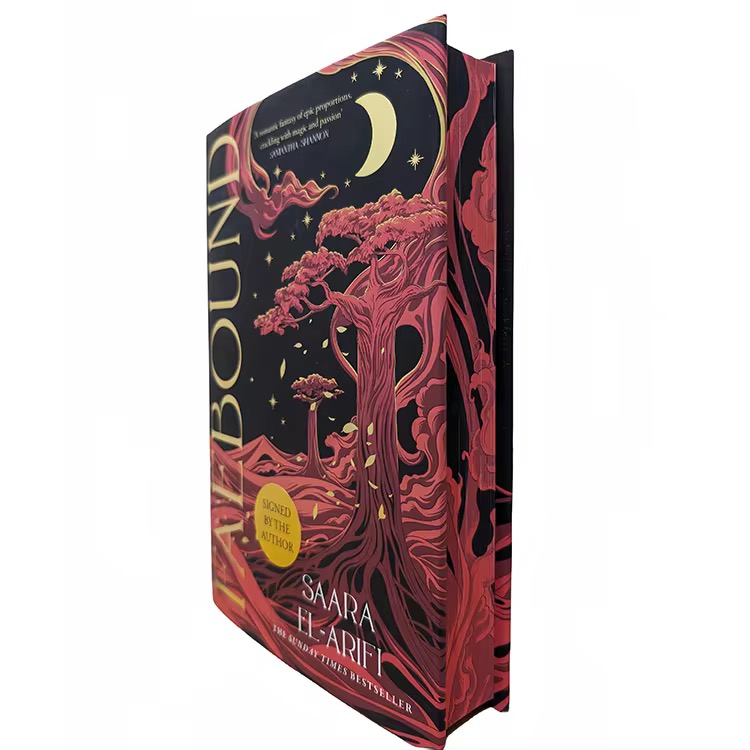
Custom hardcover book with gradient foil for limited editions, luxury brand books, art catalogs, corporate retrospectives, special edition novels, collector books, and premium portfolio publishing.
PrintPack360 supports low MOQ hardcover book production, gradient foil stamping, thermal press debossing, Smyth sewn binding, PU leather or cloth cover options, premium paper selection, proofing, inspection, and export-ready packing.
- MOQ: from 50 copies
- Cover finish: gradient foil stamping and thermal press debossing
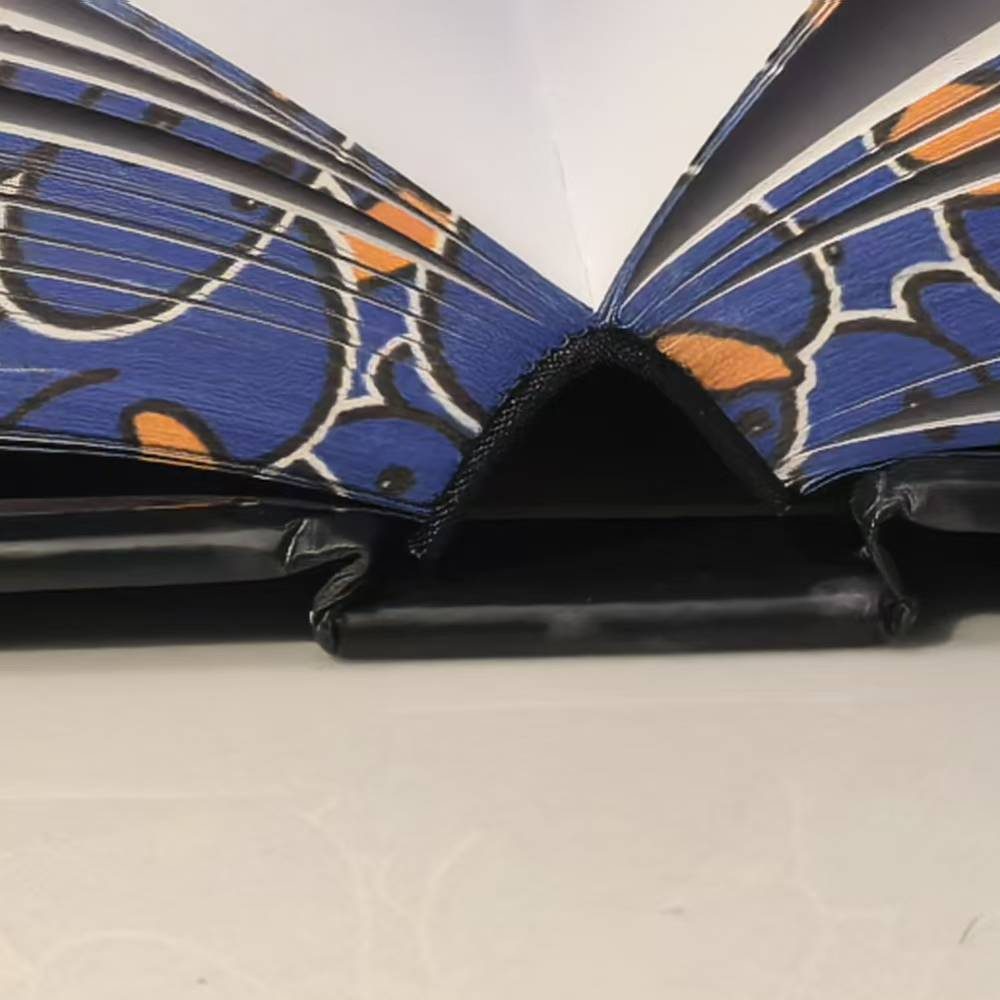
- Binding: Smyth sewn / section-sewn hardcover binding
- Cover material: PU leather, thermo-reactive faux leather, selected cloth, specialty paper, or soft-touch laminated cover
- Interior paper: 157gsm gloss/matte art paper, 120gsm woodfree paper, or custom paper stock
- Files: print-ready PDF, CMYK, 300 dpi, with vector foil and press layers
Product Snapshot
| Product Type | Custom hardcover book with gradient foil and thermal press finish for premium publishing projects |
|---|---|
| MOQ | From 50 copies, suitable for limited editions, small-batch premium publishing, and brand presentation books |
| Core Finish | Gradient foil stamping plus thermal press debossing for metallic color shift and tactile cover depth |
| Binding | Smyth sewn / section-sewn hardcover binding for durability and better lay-flat reading |
| Common Size | A4 portrait, 210 × 297mm / 8.27 × 11.69in, or custom trim size |
| Cover Board | 2.5mm high-density board as a common premium reference |
| Interior Paper | 157gsm gloss/matte art paper, 120gsm woodfree paper, or custom stock based on artwork and page count |
| Best For | Art catalogs, luxury brand lookbooks, collector editions, corporate anniversary books, premium portfolios, and special edition novels |
| File Requirement | Print-ready PDF, CMYK, 300 dpi, fonts embedded or outlined, 3mm bleed, and separate vector layers for gradient foil and thermal press |
Custom Hardcover Book with Gradient Foil Overview
A custom hardcover book with gradient foil is designed for publishing projects where the cover must work as a premium visual object, not only as protection for the pages. Gradient foil creates a multi-tonal metallic transition, while thermal press finishing adds a recessed tactile effect that can make logos, titles, symbols, or pattern details feel more substantial.
This format is suitable for limited editions, luxury brand lookbooks, art catalogs, collector books, corporate retrospectives, premium portfolios, and special edition novels. PrintPack360 coordinates prepress review, cover material testing, foil artwork setup, thermal press setup, offset printing, Smyth sewn binding, inspection, and export packing from a China-based production network.
If you are comparing premium book formats, review our hardcover book printing services. For another premium art-focused structure, compare this page with custom hardcover art book printing.
Application Scenarios & B2B Use Cases
Gradient foil and thermal press finishing are best used when the cover needs to carry brand value, collector appeal, or retail shelf impact. The process is especially useful for books where the first impression matters before the reader opens the pages.
- Limited edition books: suitable for special author editions, collector runs, anniversary releases, and numbered premium editions.
- Luxury brand lookbooks: useful for fashion, jewelry, cosmetics, hospitality, architecture, and lifestyle brands.
- Art and design catalogs: suitable for galleries, museums, artists, studios, and high-image publishing projects.
- Corporate retrospectives: useful for company anniversary books, investor presentation books, founder stories, and brand heritage books.
- Premium portfolios: suitable for agencies, designers, photographers, interior studios, and creative teams.
Problems We Help You Avoid
- Foil adhesion failure: gradient foil needs a suitable smooth surface and compatible cover material.
- Thermal press cracking: coated paper covers may crack under heat and pressure if the wrong surface is selected.
- Weak cover contrast: PU leather, thermo-reactive faux leather, selected cloth, or soft-touch laminated surfaces should be tested before bulk production.
- Gradient color mismatch: gradient foil has tolerance in color shift, so physical proofing is important for premium projects.
- Binding stress on thick books: heavy coated paper or high page counts should use Smyth sewn binding to reduce spine cracking risk.
- Export damage: foil, pressed cover details, hardcover corners, and book blocks need careful wrapping and carton protection.
Recommended Materials for Gradient Foil Hardcover Books
| Component | Recommended Options | Best Use |
|---|---|---|
| Cover Surface | PU leather, thermo-reactive faux leather, selected cloth, specialty paper, or soft-touch laminated paper wrap | Gradient foil adhesion, thermal press definition, tactile cover contrast, and premium visual impact |
| Cover Board | 2.5mm high-density board as a common reference, adjusted by book size and thickness | Rigid hardcover structure, cover stability, and premium hand feel |
| Interior Pages | 157gsm gloss/matte art paper, 120gsm woodfree paper, or custom paper stock | Art catalogs, brand lookbooks, image-heavy books, novels, and premium portfolios |
| Binding | Smyth sewn / section-sewn hardcover binding | Durability, lay-flat reading, heavy paper support, and premium book structure |
For sustainability-sensitive projects, FSC-certified paper, recycled paper, soy-based ink, and requested material documentation should be confirmed before quotation. You can review PrintPack360’s environmental certification information. For general reference, the Forest Stewardship Council explains FSC certification and responsible sourcing.
Gradient Foil, Thermal Press & Binding Options
Gradient foil and thermal press should be planned at the artwork stage, not added as an afterthought. The cover material, foil layer, press layer, logo size, line thickness, and pressure depth all affect the final result.
- Gradient foil: multi-tonal metallic foil can be used for titles, logos, symbols, borders, or decorative cover patterns.
- Thermal press: heat and pressure create a recessed effect and may darken compatible cover materials for added contrast.
- Cover material: PU leather and thermo-reactive faux leather are strong candidates for thermal press contrast; smooth matte laminate can support cleaner foil adhesion.
- Binding: Smyth sewn hardcover binding is recommended for premium books, especially with heavier paper or higher page counts.
- Additional details: ribbon markers, headbands, printed endpapers, dust jackets, slipcases, belly bands, or sprayed edges can be added when needed.
If your premium book needs a slipcase or jacket set, compare this page with premium book jacket and slipcase box set. For foil-focused casebound books, review custom gold foil hardcover book printing.
Sustainability & Quality Notes
For premium hardcover books, buyer requirements usually focus on paper sourcing, cover material, color consistency, finishing durability, binding strength, and export condition. FSC paper, ISO 9001 oversight, REACH/RoHS references, and adhesive or ink documentation should be confirmed by actual material scope before being used as buyer-facing claims.
For quality management expectations, buyers may refer to ISO 9001 quality management requirements. For color-sensitive art books and brand projects, references such as G7 by Idealliance can help frame color-control discussions, while final approval should rely on proofs and agreed inspection criteria.
Proofing & Quality Control
For gradient foil and thermal press hardcover books, physical proofing is important. A digital proof can show layout, but it cannot confirm foil transition, thermal press depth, cover darkening, tactile feel, or foil adhesion on the selected material.
- Prepress review: trim size, bleed, CMYK setup, image resolution, fonts, cover wrap, spine width, foil layer, press layer, and finishing zones are checked before production.
- Material confirmation: cover material, greyboard, interior paper, foil type, press depth, headbands, ribbon, and binding method should be confirmed before sampling.
- Sample review: foil color shift, thermal press definition, cover contrast, binding strength, opening behavior, interior color, and packing method should be approved.
- Bulk inspection: printing, folding, sewing, binding, cover mounting, foil stamping, thermal press, trimming, carton packing, labeling, and quantity should be checked before shipment.
For premium finishing projects, PrintPack360’s sample strategy can help decide whether you need a digital proof, cover material test, foil proof, or finished hardcover sample.
File Requirements for Gradient Foil Hardcover Book Printing
Print-ready PDF files with separate finishing layers are required for accurate quotation and efficient production. Files should be supplied in CMYK color mode at 300 dpi, with fonts embedded or outlined and at least 3mm bleed on all sides.
- Final trim size, page count, paper stock, cover board, binding method, and spine width should be confirmed before file export.
- Cover artwork should include front cover, back cover, spine, bleed, wrap area, and safe zones.
- Gradient foil artwork should be supplied as clean vector artwork with suitable line thickness and no unnecessary raster effects.
- Thermal press / deboss artwork should be supplied as a separate vector layer or clearly marked spot-color artwork.
- Important cover text and logos should stay away from folds, spine joints, trimming areas, and cover wrap edges.
- Pantone, foil reference, material reference, and physical sample references should be supplied when brand color or foil effect is critical.
Export Packaging & Shipping Preparation
Premium hardcover books with gradient foil and thermal press finishes need careful export packing because foil areas, recessed cover details, hardcover corners, and book blocks can be damaged during long-distance shipment. Export-ready packing may include individual wrapping, kraft paper, inner cartons, rigid corner protection, corrugated export cartons, moisture protection, carton labels, and palletization when needed.
The source page mentions palletized shipments with corner protection, shrink wrap, and strapping as a logistics direction. Final packing should still be confirmed by book size, quantity, shipment method, and destination. For production visibility, review PrintPack360’s process transparency page when planning milestone updates and pre-shipment confirmation.
Information Needed for Quotation
To quote a custom hardcover book with gradient foil accurately, please prepare the following details:
- Book type: limited edition, art catalog, brand lookbook, novel, corporate retrospective, portfolio, or collector book
- Final size: A4, custom portrait size, square size, or other trim size
- Page count: total pages and estimated spine width if available
- Quantity: target order quantity, starting from 50 copies, plus optional quantity breaks
- Cover material: PU leather, thermo-reactive faux leather, cloth, specialty paper, soft-touch laminated cover, or custom material
- Interior paper: 157gsm gloss/matte art paper, 120gsm woodfree paper, or custom paper stock
- Binding: Smyth sewn hardcover binding, headbands, ribbon marker, printed endpapers, or slipcase requirement
- Finishing: gradient foil, thermal press, debossing, embossing, spot UV, sprayed edges, dust jacket, belly band, or other premium detail
- Files: print-ready PDF plus separate vector layers for foil and thermal press
- Shipping: destination country, city, trade term, launch deadline, carton label requirement, and packing preference
You can send these details through the PrintPack360 contact page or the product inquiry form.
FAQ
What is a custom hardcover book with gradient foil?
A custom hardcover book with gradient foil is a premium casebound book that uses multi-tonal metallic foil on the cover. It is often used for limited editions, art catalogs, luxury lookbooks, collector books, and premium portfolios.
What is thermal press finishing?
Thermal press finishing uses heat and pressure to create a recessed tactile effect on compatible cover materials. On certain PU or thermo-reactive surfaces, it can also create a darker two-tone impression.
What is the MOQ for this premium hardcover book?
The visible product page lists an MOQ from 50 copies. Final pricing depends on size, page count, paper, cover material, foil area, thermal press area, binding, quantity, and shipping destination.
Which cover material works best for thermal press?
PU leather, thermo-reactive faux leather, and selected cloth materials are often suitable for thermal press. Coated paper covers may need soft-touch thermal matte lamination or material testing before production.
Can gradient foil be applied to textured cloth?
It can be discussed, but heavily textured cloth may interrupt the foil transition. Smooth cover surfaces usually give cleaner adhesion and better gradient visibility.
Is Smyth sewn binding recommended?
Yes. Smyth sewn / section-sewn hardcover binding is recommended for premium books, especially when the book uses heavy coated paper, higher page counts, or needs better lay-flat reading.
Do I need a physical sample?
For gradient foil and thermal press covers, a physical sample is strongly recommended. It confirms foil transition, press depth, cover material reaction, binding feel, and packing method before bulk production.
What files are needed for gradient foil hardcover book printing?
Print-ready PDF files in CMYK at 300 dpi are recommended. Cover files should include bleed, spine, wrap area, and separate vector layers for gradient foil, thermal press, debossing, spot UV, or other finishing.
Production Flowchart


Related Blog Posts


Saddle Stitching

Perfect Binding
Perfect Binding with Sewn

Fold

Case Bound
Spiral/Wire-O binding
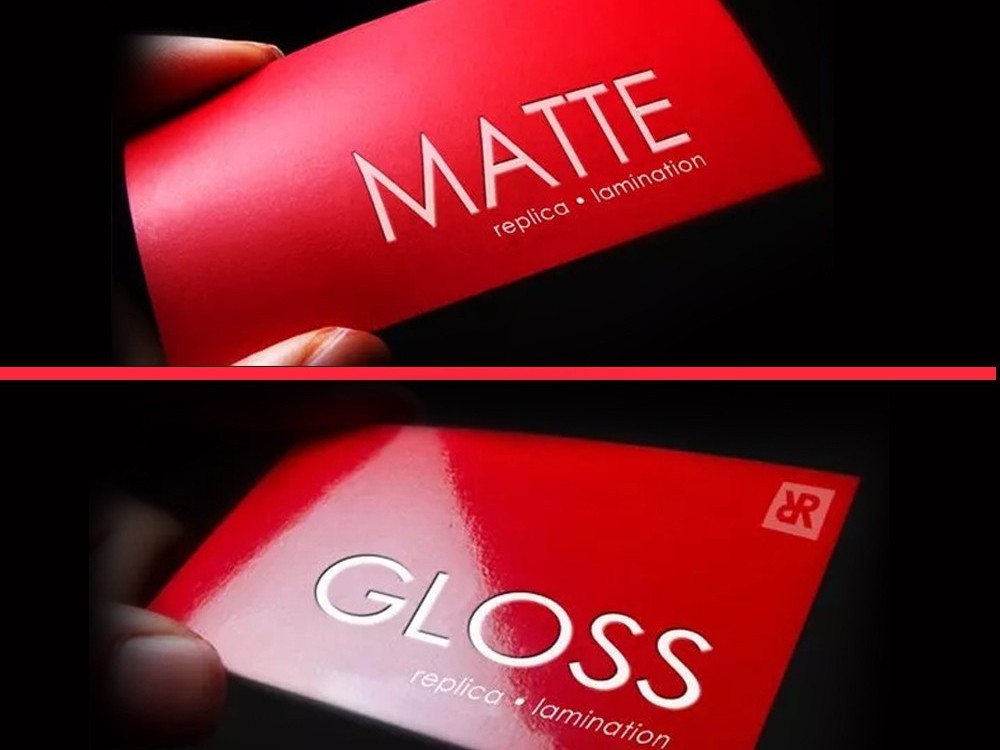
Gloss/Matt Laminate
Gloss laminate adds a shiny finish, enhancing color vibrancy, while matte laminate offers a sleek, non-reflective look for a more refined finish.
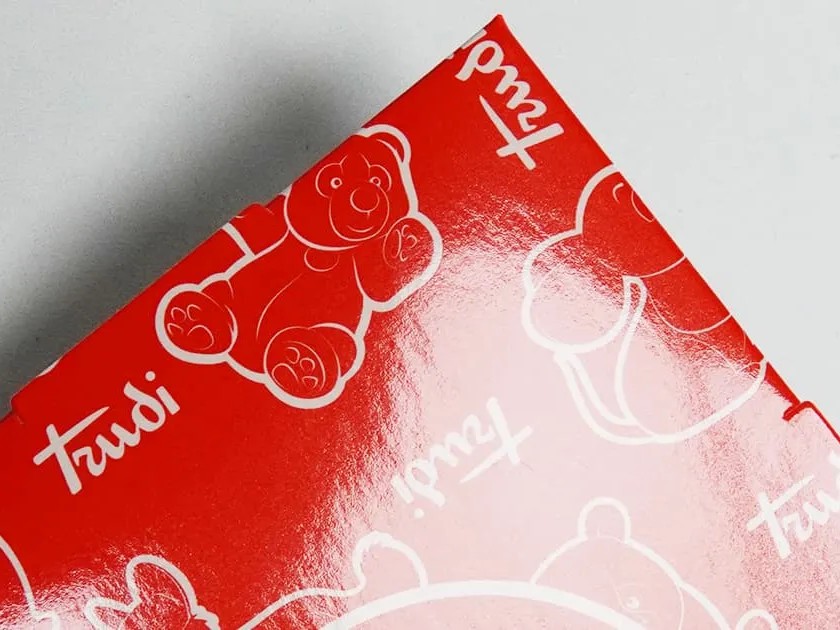
Varnishing
Varnishing adds a protective coating, enhancing durability and providing either a glossy or matte finish to make designs more vibrant and long-lasting.
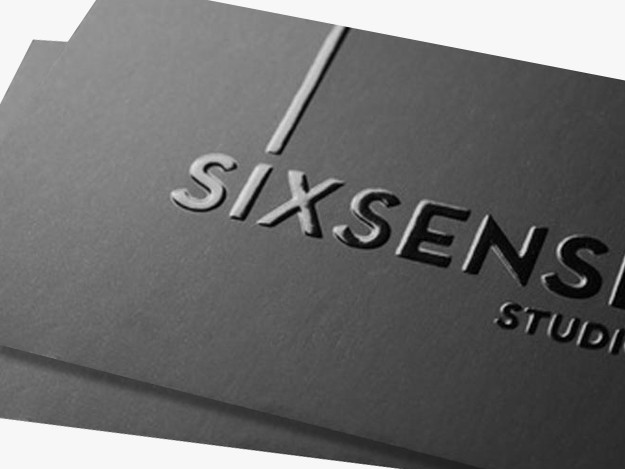
Spot UV
Spot UV applies a glossy coating to specific areas of a print, creating a contrast between shiny and matte surfaces, highlighting key design elements.
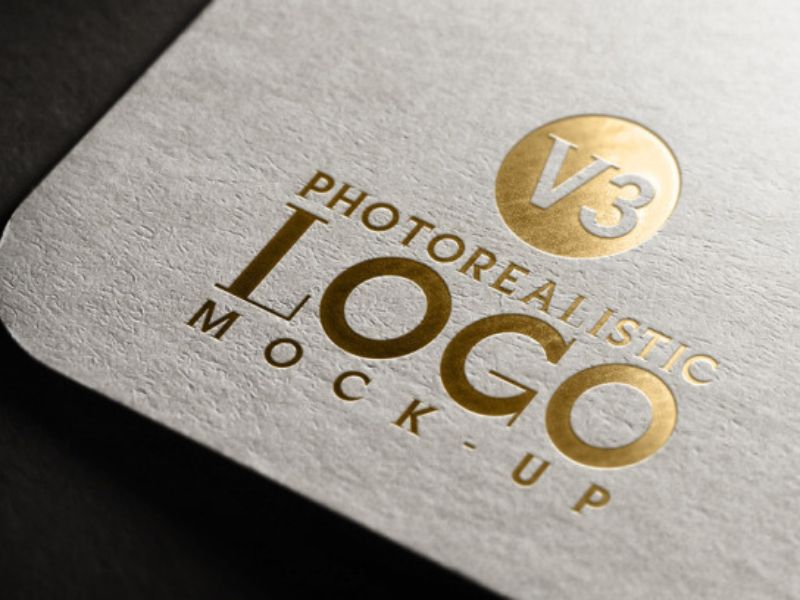
Foil Stamping
Foil stamping uses heat to apply metallic or colored foil to specific areas, adding a luxurious, shiny effect to logos and text.
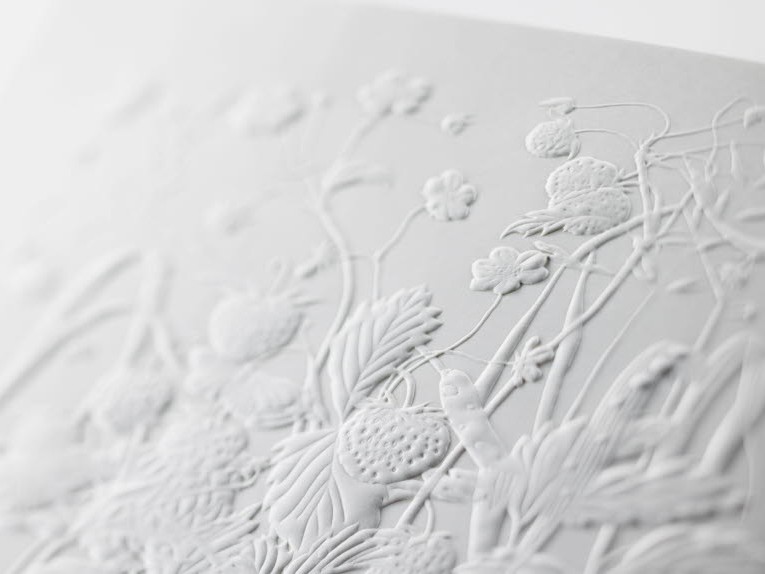
Embossing
Embossing creates a raised, 3D effect, adding texture and depth, perfect for high-quality designs like invitations or business cards.
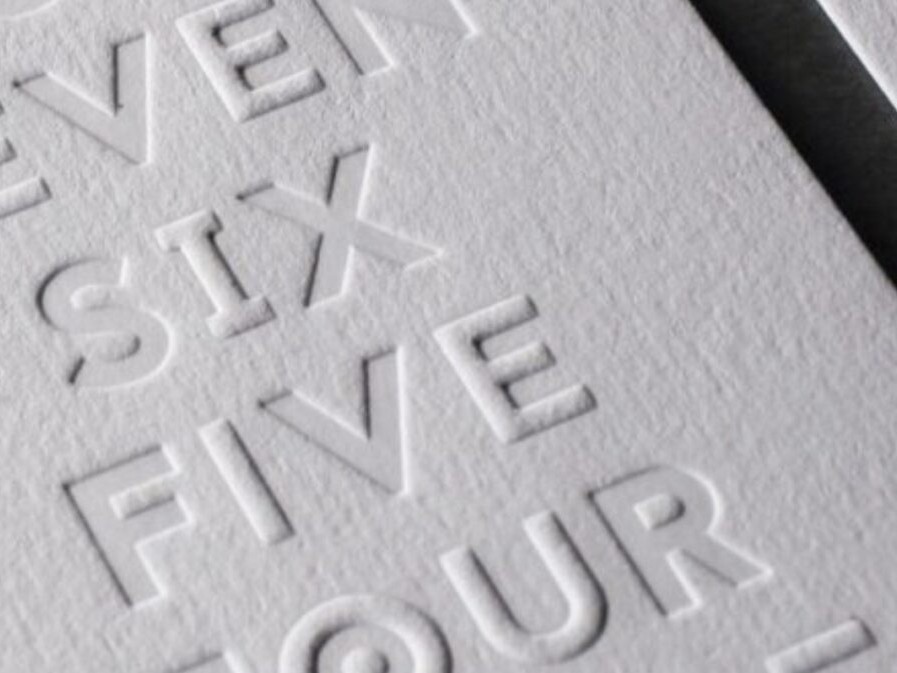
Debossing
Debossing presses a design into the material, creating a recessed effect that adds a subtle, elegant detail to printed items.
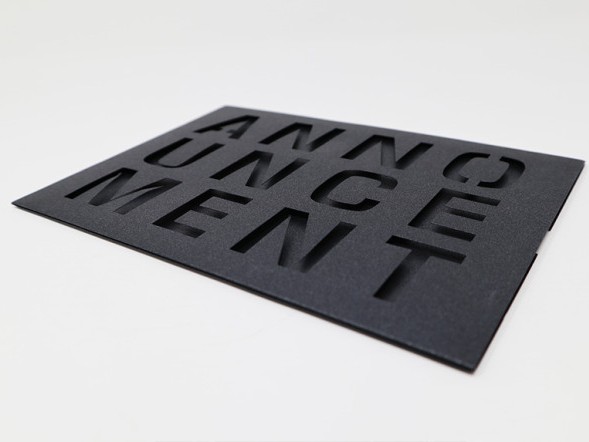
Die Cutting
Die cutting shapes materials into custom patterns or unique designs, perfect for creative packaging or custom-shaped prints.
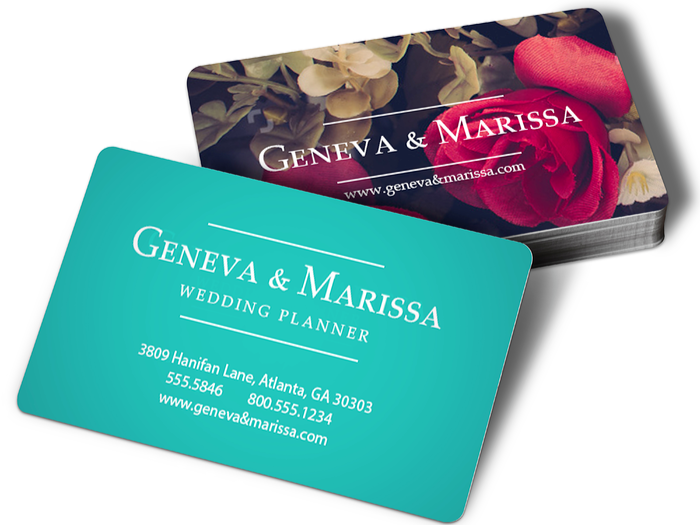
Round Corner
Round cornering softens sharp edges, giving printed materials a modern, polished look, commonly used for business cards or brochures.
Punch
Punching creates holes or cutouts in prints, ideal for creating ring-bound books, tickets, or custom tags.
How Our One-Stop Solution Works
From your first idea to finished books and packaging, PrintPack360 helps manage the full production workflow in one place.
Requirements
Share your book type, size, quantity, artwork, packaging needs, and target market.
Design Review
We check artwork, bleed, margins, color mode, spine width, and packaging dielines.
Solution Plan
We recommend paper, binding, finishing, packaging structure, safety, and eco options.
Sample Proofing
Digital or physical samples help confirm color, materials, structure, and details.
Book Printing
We produce custom books with printing, binding, finishing, and production control.
Packaging
We make slipcases, rigid boxes, mailer boxes, inserts, sleeves, and paper bags.
Quality Check
We inspect color, binding, finishing, packaging, quantity, and final presentation.
Delivery
Finished products are packed for sea, air, express, warehouse, or e-commerce delivery.